 By Graham Fisher
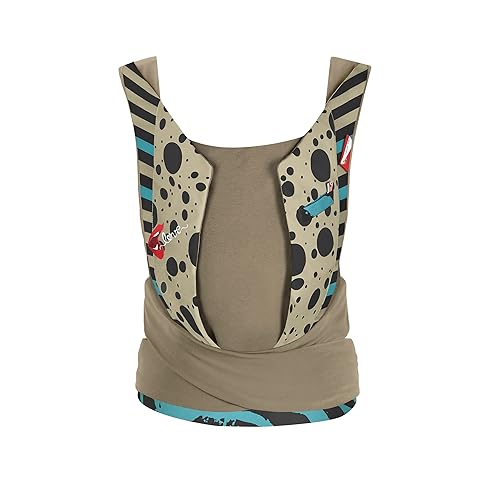
The connecta baby carrier petite is designed for smaller adults and shorter torsos, and getting it right depends on a few measurements and some careful adjustment. In this guide, you will learn how to check whether the connecta baby carrier petite suits your body, how to size and fit it, how to position your baby safely, and which mistakes to avoid. By the end, you should be able to put it on comfortably and know when a different carrier might serve you better.
What the Petite Sizing Means for You
Carriers labeled “petite” are typically cut with a shorter torso length, narrower shoulder straps and a lower waist position than standard models. The goal is to keep the panel and waistband sitting where they should on a smaller frame instead of riding up under your ribs or bunching at your hips. Manufacturers usually list a height or torso range for each size, so check that range before anything else.
If you are close to the upper limit of the petite range, you may still find the straps long, which is normal. Compare your measurements against the size chart on the product listing rather than relying on how you usually buy clothing.
Measurements to Take Before You Buy or Adjust
- Your height in inches or centimeters, standing barefoot
- Torso length, measured from the base of your neck down to your natural waist
- Shoulder width, measured across the top of your shoulders
- Hip circumference, at the point where a waistbelt would sit
Step-by-Step: Fitting the Connecta Baby Carrier Petite
Once you know the carrier fits your range, the fit itself comes from adjusting the straps in the right order. Work through the steps below before you put your baby in.
- Loosen everything. Open all buckles and pull the shoulder straps and waistbelt to their longest settings.
- Set the waistbelt first. Fasten it around your natural waist or slightly below. The belt should carry much of the load, so it should sit snugly without digging in.
- Adjust the shoulder straps. Shorten them until the panel sits high on your chest, roughly level with your baby’s head when they are in place. Straps should lie flat without gapping at the top.
- Check the panel height. The fabric should reach your baby’s bottom and support their thighs, with knees above the seat level and the seat wide enough for a frog-leg position.
- Test with a weight. Before adding your baby, put a bag of similar weight in the carrier and walk around for a few minutes. Listen for any slipping or shifting.
Positioning Your Baby
Babies under about four months need a higher, more upright position so their airway stays clear and their chin does not rest on their chest. For newborns, check that the fabric supports the back and that the head is visible and can be kissed without you leaning forward. For older babies, the panel should support the thighs with their knees higher than their bottom.
Always keep your baby’s face visible and their chin off their chest. Pull the fabric snug enough that your baby stays upright when you let go of them briefly during the adjustment process. Remember that baby carrier safety guidance is detailed, so review the manufacturer’s instructions and the How to Wear Baby Carrier Safely: A Step-by-Step Guide article before regular use.
Fit Checks by Body Type
Petite frames often run into two problems: the straps cross too close to the neck, or the waistbelt rides up above the ribs. Both problems are usually fixable by changing the strap length and the belt height, but if the carrier still does not sit right after careful adjustment, a different model may suit you better.
| Body Concern | What to Adjust | When to Switch Models |
|---|---|---|
| Straps crowd the neck | Lengthen straps, lower panel slightly | If straps still touch the neck at full adjustment |
| Belt rides above waist | Lower belt, check torso measurement | If belt sits under ribs even when loosest |
| Panel too wide for baby | Check panel width setting or wrap position | If baby cannot achieve a deep seat |
| Carrier feels loose on hips | Tighten waistbelt, add weight to test | If it slides during normal walking |
If you have a larger bust or a longer torso than the petite range suggests, explore options in Baby Carrier Too Big? 7 Best Carriers for Petite Parents and Small Babies, which compares models with different proportions. For those comparing styles more broadly, Best Baby Carriers: 5 Soft Structured Carriers Compared covers how structured designs differ.
Using the Carrier Day to Day
After the first few uses, you will learn how the carrier behaves with your baby’s weight and your own posture. Retighten the waistbelt before you lift your baby in, since most straps relax slightly after the first hour. Check the buckles regularly, and wash the carrier only according to the label to protect the fabric and the webbing.
Walking with a carrier changes your center of gravity, so take short walks first. A guide on Walking with Baby Carrier: A Step-by-Step Guide for Comfort and Safety explains how to stay balanced on stairs, curbs and uneven ground.
Common Mistakes
- Choosing by label alone. A petite size can still be too long or too short for your specific proportions, so measure before you order.
- Wearing the waistbelt too high. Keep it at or just below your natural waist to protect your back.
- Leaving straps loose. Loose straps shift weight onto your shoulders and can let the baby drop lower than intended.
- Skipping the weighted test. Adjust fully with a bag before adding your baby.
- Ignoring the baby’s airway. Keep the face visible and the chin off the chest at all times.
- Forgetting to recheck. Retighten straps after each feeding, nap or time you take the carrier off.
Recommended gear
A few accessories can make the connecta baby carrier petite more comfortable to live with, especially if you wear it for long periods.
- A breathable carrier liner or pad: Helps reduce sweat and friction on your chest and back during warm weather. View on Amazon
- A carrier-compatible hip support pad: Adds cushioning to the waistbelt for riders who feel pressure on the hips. View on Amazon
- A portable baby scale: Lets you check the baby’s weight against the carrier’s listed weight range before use. View on Amazon
FAQ
Is the connecta baby carrier petite safe for newborns?
Many carriers support newborns only with a specific insert or position, and the manufacturer lists the minimum weight and age. Follow those guidelines and keep the baby high and visible.
How do I know if the carrier is too big for me?
If the straps extend far past their shortest setting, the waistbelt cannot reach your natural waist, or the panel sits too low on your chest, the carrier may not match your frame.
Can I wear the carrier on my back?
Back carrying depends on the model and the baby’s age and size. Check the manufacturer’s instructions for back-carry guidance before trying it.
How often should I retighten the straps?
Check them at the start of each use and after any stop longer than a few minutes, since straps tend to loosen as you move.
What should I do if the carrier hurts my shoulders?
Lower the panel slightly, shorten the straps and make sure the waistbelt carries the weight. If pain continues, consult a physical therapist or your doctor.
How do I clean the carrier?
Follow the care label exactly. Most fabric carriers are machine washed on gentle, air-dried, and kept away from high heat.
Should I consult a professional before using a carrier with a back or hip condition?
Yes. If you have a back, hip, neck or shoulder condition, pregnancy-related pain or recent surgery, check with your doctor or a physical therapist before wearing a carrier regularly.
Conclusion
The connecta baby carrier petite works best when your measurements match its size range and the straps and waistbelt are adjusted in the right order. Take your time with the fit steps, test with a weight and keep your baby’s airway clear every time you wear it. If the fit still feels off after careful adjustment, compare other models before you commit.
Ready to choose one?
About Graham Fisher
Graham Fisher is part of our editorial team and reviews and edits our baby gear guides, checking product details against manufacturer specifications and owner feedback.








Write Your Review
No reviews yet. Be the first to share your experience!