 By Graham Fisher
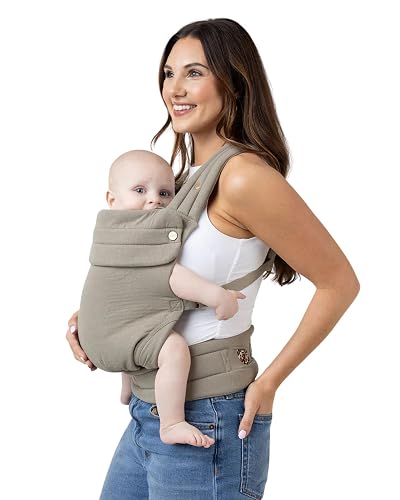
Walking with a baby carrier is one of the simplest ways to get outside with a newborn or toddler while keeping your hands free. Once the carrier is adjusted correctly, you can walk around the block, through a grocery store or along a trail with your baby snug against your chest, with weight spread across your hips and shoulders instead of your arms. This guide walks through the setup, the posture, the stride and the terrain choices that make a walk comfortable for both of you.
Before You Walk: Check Fit and Baby Position
Most walking problems come from a carrier that was never set up properly. Spend two minutes on the fit before you leave the house, because a loose or misplaced carrier will shift as you move and can put strain on your back.
Confirm the waist belt sits on your hips
On soft structured carriers and most hip-supported designs, the waist belt should rest on your iliac crest, the bony top edge of your hip bones, not on your stomach or your waist. A belt that sits too high makes the load pull on your shoulders. For more detail on sizing, see the Soft Structured Carrier Fit Guide.
Check the baby’s position
For a newborn, the baby should be in a seated, spread-squat position with knees higher than the bottom and the spine in a natural curve. The baby’s chin should stay off the chest with at least two finger widths of space, and you should be able to kiss the top of the head without leaning forward. The airway should always be visible. If you want a full checklist for this, the How to Wear Baby Carrier Safely: A Step-by-Step Guide covers each stage in detail.
Confirm the carrier is snug, not loose
A carrier that feels fine while standing can sag once you start moving. Tighten the shoulder straps, then the waist belt, and bounce gently in place. The baby should stay close to your body without slumping forward.
Step-by-Step: How to Walk Comfortably
- Stand tall with your weight centered. Keep your shoulders back and down, and your head level. Avoid leaning forward to counterbalance the baby, since that shifts strain to your lower back.
- Start with short, even steps. A normal stride works well. Longer strides make the baby bounce more, and very short steps can feel awkward for the first few minutes.
- Let your arms swing naturally. You don’t need to hold the baby. Most people find a slight arm swing keeps the walk feeling balanced.
- Keep your hips and core engaged. Light engagement of your abdominal muscles helps stabilize the load, especially on slopes or stairs.
- Check on the baby every few minutes. Look down to confirm the face is clear, the chin is off the chest and the baby is still in position.
- Adjust after the first ten minutes. Many straps settle as the fabric stretches or the baby shifts. Retighten and recheck before going further.
Adjusting Your Walk for Different Terrain
Where you walk changes how the carrier feels. A flat sidewalk is the easiest surface, but hills, gravel and stairs each call for small adjustments.
Flat pavement and sidewalks
This is where most people first try walking with a carrier. Keep a steady pace and focus on posture. Hands-free walking makes it easy to carry a bag, hold a dog leash or use a phone, but keep your eyes forward so you can spot curbs and uneven joints.
Hills and inclines
Uphill walking shifts weight forward, so lean slightly from the ankles rather than the waist. Shorten your stride. Downhill, keep your knees soft and your steps controlled, and tighten the waist belt before descending so the baby doesn’t drop lower in the carrier.
Stairs
Stairs are where a loose carrier can cause trouble. Hold the handrail, look at each step and place your full foot down. If the carrier shifts when you look down, stop and readjust before continuing.
Trails and uneven ground
Trails demand a closer look at the carrier. A hiking-style setup or a backpack-style carrier with a higher center of gravity can feel more stable on rough ground. The Hiking Backpack Carrier Guide explains which features matter for longer outings.
Choosing the Right Carrier for Walking
Not every carrier is equally comfortable for walks. The table below compares common types by what matters most when you’re on your feet.
| Carrier type | Best for walking | Typical strengths | Watch for |
|---|---|---|---|
| Soft structured | Daily walks, errands, all-day wear | Padded waist belt, supportive panel, easy to adjust | Bulkier in hot weather |
| Wrap | Newborn walks, close contact | Even weight distribution, very snug | Takes practice to tie comfortably |
| Ring sling | Short walks, quick trips | Fast to put on and take off | Shoulder strain on longer walks |
| Backpack-style | Trails, longer outings | Strong hip support, stable on uneven ground | Heavier, less discreet |
For a broader comparison of styles, the Baby Carrier Types: Structured, Wrap, Ring Sling and Backpack article is a useful starting point. If you’re shopping for a specific model, the Best Baby Carriers: 5 Soft Structured Carriers Compared lays out features side by side. Many parents also like the Baby Bjorn Baby Carrier Review: Pros and Cons for everyday walking, and the Tushbaby Hip Seat Baby Carrier Review: Pros and Cons for a lighter, hip-focused option when the baby is older and sitting up.
Recommended gear
A few supporting items can make walks more comfortable, particularly in hot weather or on longer outings.
- Breathable carrier liner or mesh panel: Helps reduce heat buildup against your back and the baby’s body on warm days. View on Amazon
- Lightweight baby sun hat with neck flap: Keeps sun off the face and neck when the baby is facing outward or looking around. View on Amazon
- Hip-support or lumbar cushion for the wearer: Adds padding under the waist belt for those with sensitive lower backs during longer walks. View on Amazon
Common Mistakes to Avoid
- Wearing the waist belt too high. This pushes weight onto your shoulders and neck.
- Leaning forward while walking. It strains the lower back and can crowd the baby’s airway.
- Skipping the fit check after the first few minutes. Straps loosen and the baby settles lower over time.
- Facing the baby outward too early. Most manufacturers specify forward-facing only once the baby can hold up the head independently and has good trunk control, so check your model’s instructions.
- Walking with a baby who has a cold or fever without checking with a pediatrician. Consult a healthcare professional if you have questions about outings during illness.
- Carrying a heavier child than the carrier is rated for. Check the weight and height limits in the manufacturer’s instructions.
Tips for Longer and Safer Walks
- Take a short test walk around the house before heading out for the first time.
- Carry water and a light layer for both of you, since body heat builds quickly inside a carrier.
- Stop every 20 to 30 minutes to check the baby’s temperature, color and breathing.
- Keep the carrier’s instructions in your bag so you can recheck the setup if something feels off.
- If you’re walking in hot weather, the Babywearing in Hot Weather: Carriers, Fabrics and Precautions article covers fabric choices and heat precautions.
FAQ
How long can I walk with a baby in a carrier?
There is no universal limit. Many parents walk for 20 to 60 minutes at a time, then take a break. Your own comfort, the baby’s mood and the weather all matter. Stop if your back or shoulders start to ache.
Is it safe to walk with a newborn in a carrier?
It can be, provided the newborn is positioned upright and snug with the airway clear. Follow the manufacturer’s guidance on newborn use, and consult your pediatrician if you have concerns about your baby’s breathing or development.
Can I walk fast or jog with a baby in a carrier?
Most manufacturers do not recommend running or jogging with a baby in a carrier. Brisk walking is generally fine for most models, but check your carrier’s instructions and move at a pace where you can still hold a conversation.
When can I face the baby outward while walking?
Most carriers require the baby to have good head and neck control and to be able to sit with support. Check your specific model’s age and weight guidance before switching to outward-facing.
What should I do if the baby seems uncomfortable while walking?
Stop, sit down and check the baby’s position, face and breathing. Readjust the straps and make sure the knees are higher than the bottom. If the baby still seems distressed or you notice any breathing concerns, contact your pediatrician promptly.
Does the carrier type matter for walking?
Yes. Soft structured carriers and backpack-style carriers usually feel more supportive over long walks, while ring slings suit shorter trips. The right choice depends on how far you walk and how often.
How do I keep my back from hurting when walking with a carrier?
Keep the waist belt on your hips, stand tall, avoid leaning forward and take breaks. If back pain persists, talk with a physical therapist or your doctor.
Conclusion
Walking with a baby carrier comes down to three things: a correct fit, a stable, upright posture and attention to the baby’s position throughout the walk. Check the setup before you leave, adjust for terrain and recheck every few minutes. With those habits in place, most parents find walking becomes one of the easiest ways to get outside together.
Ready to choose one?
About Graham Fisher
Graham Fisher is part of our editorial team and reviews and edits our baby gear guides, checking product details against manufacturer specifications and owner feedback.









Write Your Review
No reviews yet. Be the first to share your experience!