 By Graham Fisher
Updated November 2026
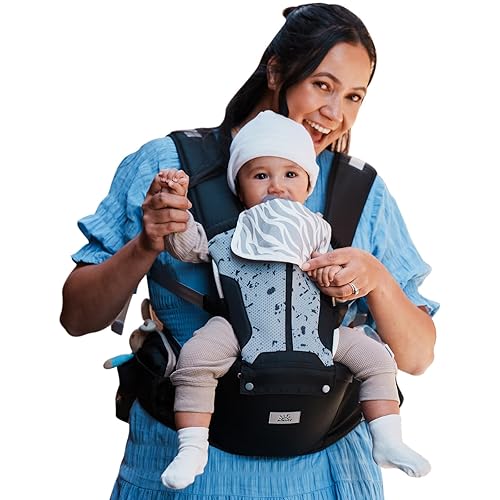
A cuddle n care baby carrier is generally considered safe when it is used within the manufacturer’s stated weight and age range, positioned so the baby’s airway stays clear, and fitted snugly so the wearer’s weight sits on the hips and shoulders. Safety depends mostly on how the carrier is adjusted and worn, not just on the product itself. Always read the included instructions and consult a pediatrician or certified child passenger or baby-wearing educator if you are unsure.
Why Carrier Safety Matters for Newborns and Young Babies
Young infants have limited head and neck control, and their airways are small. When a baby is slumped low or chin-to-chest in a carrier, the airway can partly close, which is the main risk baby-wearing safety guidance warns about. Soft-structured carriers like this one are designed to hold a baby upright and snug against the wearer, which keeps the head supported and the face visible. The goal is an upright, visible, kissable position where the baby’s chin is off the chest and you can see their face with a glance.
Shopping for one? See our guide: Baby Bjorn Baby Carrier Review: Pros and Cons.
Factors That Affect Safety and Comfort
Several details decide whether a carrier works well for both of you:
- Weight and age limits. Manufacturers list minimum and maximum baby weights and sometimes a minimum age or head-control requirement. Stay within those numbers.
- Seat width and depth. The fabric panel should reach from knee to knee for an older baby, and the baby’s thighs should be supported in a natural “M” shape with knees at or above the bottom.
- Tightness. A snug fit keeps the baby close. If the baby slides down when you lean forward, tighten the straps or waist belt.
- Wearer fit. Waist belts should sit on the hips, not the belly or ribs. Shoulder straps should be adjusted so the load does not pull on the neck or upper back.
- Fabric and structure. Padding, buckles and seams should lie flat and show no tears, loose stitching or worn webbing before each use.
How to Check Fit Before Every Walk
Quick checks before you head out prevent most problems. Owners often report that a few seconds of adjustment at the start saves frustration later.
- Confirm your baby is within the listed weight range and meets any age or head-control requirement.
- Put the carrier on and fasten the waist belt first, so it rests on your hips.
- Bring the baby in, facing you, with the seat under their bottom and their knees above their bottom.
- Tighten the shoulder straps until the baby feels close, then check the waist belt again.
- Look at the baby’s face: the airway should be clear, the chin should not be pressed to the chest, and you should be able to see the face easily.
- Do a bounce test. Gently bend your knees and lean forward. If the baby shifts downward or their head drops, retighten and reposition.
Common Mistakes to Avoid
The most frequent errors are a loose carrier that lets the baby sag, a baby worn too low with the face turned into the wearer, and a seat that is too narrow, which leaves the legs dangling. Heat is another concern. Check that the baby’s face and chest stay uncovered in warm weather, and never let a cover block airflow to the face. If the fabric is damp or dirty, wash it according to the label before reuse.
What We’d Use
If you are looking for a companion accessory for everyday wear, these options are widely recommended by owners:
- A breathable infant insert or head support designed for the carrier’s size range. View on Amazon
- A carrier-friendly bib or drool cover to keep the front panel clean between washes. View on Amazon
- A small, sturdy mirror for checking the baby’s face without craning your neck. View on Amazon
Related questions
For more detail on fit and positions, see Proper Baby Carrier Position vs Wrong Position: Which Should You Choose? and Walking with Baby Carrier: A Step-by-Step Guide for Comfort and Safety. For sizing across carrier lines, Tula Baby Carrier Sizes: How to Find the Right Fit (2026) is a useful companion.
Can a newborn ride in a cuddle n care baby carrier?
Only if the manufacturer’s instructions allow it for your baby’s weight and head control. Many carriers require the baby to be able to hold their head up steadily before facing-in use. Check the label and your pediatrician’s guidance first.
How do I know if my baby’s airway is clear?
Their chin should be off the chest, their nose and mouth should be visible, and you should be able to see the face without bending down. If the face is pressed against fabric or the head is tipped forward, reposition right away.
Is forward-facing ever safe?
Forward-facing positions are usually recommended only for older babies with solid head and trunk control, and many experts advise against it for extended periods. Confirm the appropriate position with the manufacturer and a professional.
How often should I check the carrier for wear?
Inspect it before every use. Look for fraying straps, loose stitching, worn buckles and stretched fabric. Replace or repair any damaged part before wearing your baby.
Can I wash my cuddle n care baby carrier?
Follow the care label exactly. Many soft carriers are machine washable on a gentle cycle, but some hardware or padding may require hand washing. Air dry unless the label permits otherwise.
Related reading
- Babybjorn Baby Carrier One Black Cotton Mix: Fit, Care and Buying Guide
- Baby Bjorn One Carrier Cotton Mix: Fit, Care and Buying Guide (2026)
- Which Tula Baby Carrier Is Best? 6 Top Picks Compared (2026)
Ready to choose one?
About Graham Fisher
Graham Fisher is part of our editorial team and reviews and edits our baby gear guides, checking product details against manufacturer specifications and owner feedback.









Write Your Review
No reviews yet. Be the first to share your experience!