 By Graham Fisher
Updated November 2026
A baby hand carrier basket is a small, handled carrier that lets a young child ride in a seat-style or basket-style cradle while an adult carries it by the handle or the rim. Used well, it gives you a quick way to move a sleeping or settled baby from the car to the house, from room to room, or across a short distance without unbuckling a car seat. This guide walks you through how these carriers work, how to pick one that fits your baby and your routine, how to load and carry it safely, and what mistakes to watch for.
What a Baby Hand Carrier Basket Is and What It Is Not
Hand carriers come in a few general forms. Some are shallow bassinet-style baskets with a fixed or folding handle. Others are padded seats with a rigid frame and a bar that sits over the top. A few are lightweight cradles made from fabric over a frame. What they share is that the adult supports the weight through the handle, so the baby sits or lies inside a contained space.
Shopping for one? See our guide: 7 Best Second Hand Baby Hiking Carriers for Trail Days (2026).
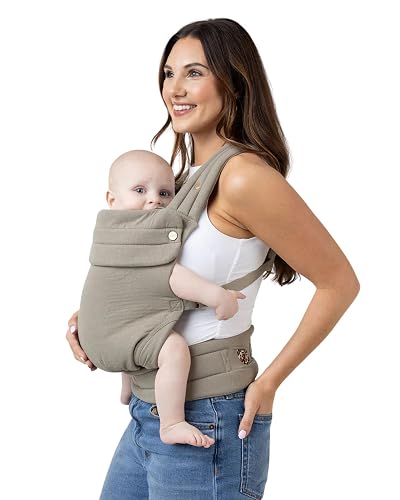
It helps to be clear about the limits. A hand carrier is designed for short-term transport. It is not a bed, not a substitute for a crib or bassinet, and not a car seat. Manufacturers generally state that babies should not sleep unattended in a carrier, and that the carrier should be placed on a stable, flat surface when the baby is inside it. If you need to carry a baby for long stretches, a worn-on-the-body carrier is usually more comfortable for both of you. You can compare that style in our guide to Walking with Baby Carrier: A Step-by-Step Guide for Comfort and Safety.
Step 1: Check the Weight and Age Limits
Every hand carrier lists a maximum weight, and many list a minimum weight or a head-control requirement. Read these numbers before anything else. Weight limits often range widely between models, so a carrier that suits a newborn may not suit a baby approaching the top of its range, and the reverse is also true.
Also check the manufacturer’s note on head and neck support. Newborns need the whole body supported in a flat or near-flat position, and a shallow basket with a curved base is usually better for them than a sitting-style seat. Once a baby can hold up the head steadily, a seated hand carrier becomes a more practical option. If you are unsure which position suits your baby, a pediatric provider can advise you. Consult your baby’s doctor if you have concerns about breathing, reflux or development.
Step 2: Measure Your Baby and Your Carrying Space
Hand carriers are sized by interior length and width, and the fit matters more than most buyers expect. Before buying, measure the following:
- Your baby’s length from head to heel while lying flat, and their current weight.
- The interior length and width listed on the carrier’s spec sheet.
- The width of your car’s rear seat, the trunk opening and the space by the front door, since those are where the carrier will sit between trips.
- The handle drop, meaning how far the carrier hangs below your hand when you lift it, which affects whether it bumps your knees or the floor.
A baby should have room to move the legs and arms without touching the sides, but not so much room that the body slides around. If your baby is close to the top of the length range, plan to upgrade soon rather than squeezing them into the seat.
Step 3: Compare Frame Type, Harness and Materials
Look closely at how the baby is secured. Many hand carriers include a harness, typically a three-point or five-point style, while basket models may rely only on the rim and a padded base. A harness is useful once a baby starts pushing up or leaning, because it keeps them from shifting toward the edge. For a flat, sleeping newborn, a snug padded base with firm sides is often enough.
Materials affect cleaning and durability. Removable, machine-washable covers make spit-up and diaper accidents much easier to handle. Check whether the frame is plastic, metal or wood, and whether the handle is fixed or adjustable. A metal frame tends to be heavier but sturdier; a lightweight plastic frame is easier to lift for longer walks.
Carrier Type Comparison
| Feature | Flat basket style | Seated hand carrier |
|---|---|---|
| Best age range (general guidance) | Newborn to early infancy | After head control is steady |
| Baby position | Lying flat or near flat | Upright or semi-reclined |
| Typical restraint | Padded rim and base | Harness, often three- or five-point |
| Common use | Car to house, short walks | Errands, visiting, short outings |
| Cleaning concern | Lining around the base | Harness straps and seat pad |
Step 4: Load the Carrier Safely
Good loading habits prevent most common problems. Follow these steps each time:
- Place the carrier on a firm, flat surface such as a bench, table or the car seat base. Never load it on a bed, sofa or soft surface where it can tip.
- Check that the base and sides are clean, dry and free of loose items like toys or blankets that could cover the baby’s face.
- Lay the baby on their back in a flat carrier, or seat them in a harness carrier with the straps fitted snugly over the shoulders and at the crotch.
- Tighten the harness until you can fit only one or two fingers flat between the strap and the baby’s collarbone.
- Keep blankets light and tucked in at the sides, and make sure nothing covers the face or nose.
- Check the lock or latch on any handle or frame before lifting.
Step 5: Carry and Move the Carrier Correctly
Lift the carrier by the handle with a firm grip, keeping your back straight and your knees slightly bent. Hold it close to your body rather than out at arm’s length, since that spreads the weight over your shoulders and reduces strain. Avoid swinging the carrier, which can jolt the baby and can knock a baby against the frame.
When you set it down, place it on a stable surface and keep one hand on the handle until the frame is steady. Never leave a baby alone in the carrier, and do not set it on a raised surface where it could slide off. For longer transitions, such as walking from the parking lot to a store, a wearable carrier may be more comfortable. A comparison of hip and back styles appears in Top Baby Carrier Backpacks: 6 Best Picks Compared (2026).
Step 6: Clean and Inspect Regularly
Wipe the frame and shell after each use with a damp cloth and a mild, baby-safe cleaner. Remove and wash the cover according to the manufacturer’s label. Inspect the stitching, buckles and handle joints every few weeks, and retire the carrier if you see cracks, loose hardware, frayed straps or a bent frame. Replace any harness that no longer clips securely.
Recommended gear
Most of what you need is the carrier itself, but a few accessories make everyday use easier.
- Compact fitted sheets or liners help you change the surface quickly after spit-up. Look for the exact size listed by your carrier maker. View on Amazon
- A small stable carrier stand or flat table surface gives you a secure place to set the carrier down. View on Amazon
- A lightweight blanket with a breathable weave keeps the baby warm without covering the face. View on Amazon
Common mistakes
- Using the carrier as a bed or leaving the baby unattended inside it.
- Choosing a carrier based only on style and ignoring the weight limit or length range.
- Loose harness straps, which let the baby slide and reduce support.
- Placing the carrier on soft bedding, a sofa or a raised surface where it can tip.
- Covering the carrier with heavy blankets or bags that block airflow or the baby’s face.
- Carrying it at arm’s length, which strains the wrist and shoulder and makes the carrier swing.
- Skipping regular inspection of buckles, handles and stitching.
Tips for Everyday Use
- Keep a spare cover or liner in your diaper bag so you can swap it quickly after a spill.
- Use the carrier for the car-to-house transfer, then move to a crib or bassinet for sleep.
- If you travel, check whether the carrier fits under an airplane seat or in a rental car trunk before you leave.
- Practice a few lifts at home before you need to carry a sleeping baby through a crowded place.
- Mark the carrier’s model and manufacturing date in your records so you can track its age and any recalls.
FAQ
Can a baby sleep in a baby hand carrier basket?
A baby can rest in a hand carrier for short periods during transport, but it should not be used as a sleep space. Move the baby to a firm, flat crib or bassinet for longer sleep, and never leave the baby unattended in the carrier.
What age can a baby use a hand carrier?
Flat basket styles are usually made for newborns and young infants, while seated hand carriers are typically used after the baby has steady head control. Always follow the minimum and maximum limits printed on your specific model.
How do I know if the carrier is the right size?
Compare your baby’s length and weight with the carrier’s listed interior dimensions and weight limit. The baby should have some room to move but should not be cramped or sliding around.
Is a hand carrier safer than a car seat?
A hand carrier is not a car seat and should never be used for riding in a vehicle unless the carrier is specifically tested and labeled for that purpose. Always transport your baby in a car seat that meets your local safety standards while driving.
How should I clean a baby hand carrier basket?
Remove the cover and wash it according to the label. Wipe the frame and shell with a damp cloth and a mild, baby-safe cleaner, then let everything dry completely before reassembling.
When should I stop using a hand carrier?
Stop when your baby reaches the maximum weight or length listed by the manufacturer, or when the baby can no longer sit comfortably with the harness fitted. Also stop if the frame, handle or straps show damage.
Can I use a hand carrier for long walks?
Hand carriers are better for short trips. For longer walks, a wearable carrier spreads the load across your body and keeps your hands free. Check your local guidance if you plan to carry a baby over long distances.
Conclusion
A baby hand carrier basket is a practical tool for short trips when used within its weight and age limits. Choose a carrier that matches your baby’s size and development, load it on a firm surface, and carry it close to your body. Keep it clean, inspect it often, and move your baby to a proper sleep space when the trip is over.
Related reading
- Backpack Baby Carrier Airplane: How to Fly With Your Baby Hands-Free
- Baby Carrier Basket Price in Bangladesh: A Buyer's Guide to Costs and Options
- 7 Best Kangaroo Shirt Baby Carriers for Hands-Free Bonding
Ready to choose one?
About Graham Fisher
Graham Fisher is part of our editorial team and reviews and edits our baby gear guides, checking product details against manufacturer specifications and owner feedback.









Write Your Review
No reviews yet. Be the first to share your experience!