 By Graham Fisher
Updated November 2026
Baby carrier rental SG services let parents borrow a carrier for a few days or weeks instead of buying one outright. This guide walks you through how rentals usually work, how to pick a carrier that fits your body and your baby, how to inspect it before you leave the counter, and what to ask the provider. By the end, you will know how to choose a rental that is safe, comfortable, and suited to your trip or trial period.
Why Parents Look at Baby Carrier Rental SG Options
Most parents rent a carrier for one of three reasons. They are visiting Singapore and do not want to pack bulky gear, they want to test a carrier type before committing to a purchase, or they need a second carrier for a specific activity such as hiking or a city day out. Renting lets you try a structure, such as a soft-structured carrier versus a ring sling, without building a full collection.
Shopping for one? See our guide: Baby Bjorn Baby Carrier Review: Pros and Cons.
Rental also suits short-term needs. A newborn outgrows some carriers within a few months, and a rental can cover that stage without leaving you with a carrier that no longer fits.
Step 1: Decide What You Need the Carrier For
Before you search, write down how you plan to use the carrier. Carrier types differ a lot in how well they handle newborns, toddlers, long walks, and heat.
- Newborn wear (roughly 7 to 8 lb and up): Look for a carrier with an infant insert or a structure that supports a small baby’s head and spine.
- Toddler wear (about 15 to 45 lb, depending on the model): Check the maximum weight and whether the waist belt is wide enough for your hips.
- Front, hip, or back carry: Some carriers only work in certain positions. Confirm which ones the rental model supports.
- Warm climate: Singapore is hot and humid, so mesh panels and breathable fabrics matter more than padding.
- Travel: Lighter carriers and those that fold small are easier to carry through airports and MRT stations.
Write down your baby’s current weight and your own height and torso length. You will need these when comparing sizing charts.
Step 2: Match the Carrier to Your Body
Fit matters more than brand. A carrier that is too long in the torso or too narrow at the hips can cause back strain and make the baby sit low or sag.
Measure Your Torso and Hips
Many manufacturers list sizing by torso length, hip-belt range, or both. Measure from the base of your neck to the top of your hip bone, and measure your waist or hip circumference where the belt would sit. If the rental provider does not publish sizing, ask them to let you try the carrier on with a weighted bag before you commit.
Test the Adjustments
Once you have the carrier on, check that the shoulder straps can be tightened without pulling the waist belt out of place. The waist belt should sit on your hips, not your stomach. Adjust the height of the panel so the baby’s bottom sits at or slightly below your belly button in a front carry.
Step 3: Check the Carrier Before You Accept It
Inspect every rental carrier carefully. You are responsible for your baby’s safety while using it, so do not rely on the counter staff to catch problems.
- Look over all stitching, especially at the straps, buckles, and where the panel attaches to the waist belt. Look for loose threads, fraying, or pulled seams.
- Check every buckle and clip. Snap each one shut and pull to confirm it holds.
- Examine the fabric for tears, stains, or thin spots, particularly at the crotch and shoulder areas.
- Confirm that all labels and instructions are present. You will need them to set up the carrier correctly.
- Ask whether the carrier has been cleaned between rentals and how it should be cleaned during your use.
- Test the carrier with a weighted bag at or near your baby’s weight before you leave the premises.
If anything feels loose, unsafe, or unfamiliar, ask for a different unit or a different model. A good rental provider will expect this question.
Step 4: Learn the Correct Positions Before You Leave
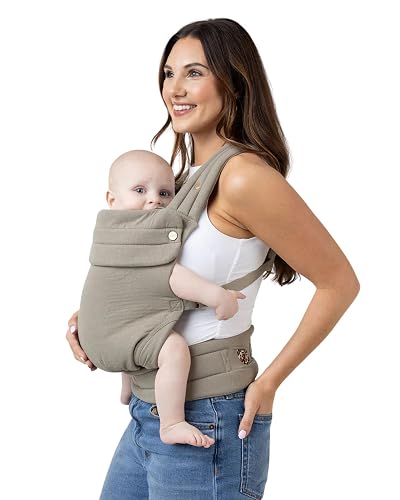
Improper positioning is one of the most common problems with carriers, whether rented or owned. The baby should be upright, with the chin off the chest, the airway clear, and the spine in a natural curve. Knees should be at or above the level of the baby’s bottom, and the baby should be close enough to kiss without you bending your head forward.
Practice the wrap or buckle sequence at the counter, not on a busy street. Ask the provider to show you a front carry and a back carry if the model supports both. Take a short video on your phone of the setup steps so you can repeat them later. For more detail on upright and safe placement, see Proper Baby Carrier Position vs Wrong Position: Which Should You Choose?.
Step 5: Compare Carrier Types Before Renting
The carrier type affects how easy the rental will be to use. Here is a quick comparison of common styles you may encounter:
| Carrier type | Best for | Learning curve | Newborn friendly |
|---|---|---|---|
| Soft-structured (buckle) | Everyday wear, toddlers, most body types | Low | Yes, with an insert |
| Ring sling | Newborns, breastfeeding, quick on and off | Medium | Yes |
| Stretch wrap | Newborns, close contact, lightweight travel | Medium to high | Yes |
| Hip seat | Older toddlers, short carries | Low | No |
| Meh dai (traditional) | Toddlers, cultural or heritage preference | Medium | Depends on design |
If you are comparing two popular soft-structured brands, the guide Nuna Baby Carrier vs Ergobaby: Which One Fits Your Body and Routine? explains how fit and routine affect the choice. For a wrap-style carrier, see Newborn Baby Wrap Carrier: How to Choose, Wrap and Use It Safely.
Step 6: Plan the Return and Hygiene Routine
Ask about return timing, late fees, and damage policies before you sign. Take photos of the carrier at pickup, especially any existing marks, so you have a record at return. Clarify whether the provider expects the carrier to be washed before it comes back.
During your rental, wipe down straps and the panel after use, and spot-clean sweat or spills right away. Follow the washing instructions on the label. Do not machine wash unless the label allows it. Check your carrier after each day of heavy use for new wear, and stop using it if you spot a damaged strap or buckle.
Recommended gear
These items make a rental more comfortable and safer to use:
- Infant insert for newborn wear: A padded insert supports a very small baby’s head and spine when the carrier is designed for older infants. View on Amazon
- Portable changing pad: Useful when you need to change a baby quickly on the go, especially in hot, humid weather. View on Amazon
- Lightweight cooling mesh cover: Helps reduce heat around the baby in humid climates, though it does not replace proper ventilation. View on Amazon
- Small travel bag for the carrier: Keeps the rental clean and dry while you move between hotels, taxis, and MRT stations. View on Amazon
Common mistakes
- Renting without trying the fit: Ask to test the carrier with a weighted bag before you commit to the rental period.
- Skipping the inspection: Check every strap, seam, and buckle at the counter, not after you have walked away.
- Ignoring the baby’s weight limit: Confirm the maximum weight and stop using the carrier once your child reaches it.
- Carrying the baby high on the chest: Keep the baby upright and high enough to kiss, but do not let the chin press onto the chest.
- Forgetting the instructions: Take photos or a video of the setup steps so you can repeat them correctly at home or on the road.
- Wearing the carrier too loose: A loose carrier shifts the weight onto your shoulders and can make the baby slump.
Tips for a Smooth Rental
- Book a few days ahead if you are visiting during a busy travel period.
- Carry a small towel or muslin cloth to protect the carrier from sweat and spills.
- Practice the buckle or wrap sequence at home before your trip, using a doll or a spare bag.
- Ask the provider for a short demo of any model you have not used before.
- If you have a back condition or pelvic concerns, ask a physiotherapist or doctor which carrier structures are appropriate before you rent.
FAQ
Can I rent a baby carrier in Singapore for a short trip?
Yes. Many providers offer rentals for a few days or a week, and some also allow longer periods. Confirm the minimum rental length and any extension options before you book.
What age can a baby start using a rented carrier?
Age depends on the model. Many carriers are designed for newborns with an insert, while others are made only for babies who can hold their head up independently. Check the manufacturer’s stated minimum weight and age range before you rent.
Should I check the carrier before I leave the rental counter?
Yes. Inspect all straps, seams, and buckles, test the fit with a weighted bag, and confirm that the instructions are present. Ask for a different unit if anything looks worn or loose.
Is it safe to use a carrier I have never worn before?
You can use it safely if you learn the setup steps first and check your baby’s position often. Practice at the counter, and confirm the baby’s airway stays clear and the chin stays off the chest.
What should I do if the carrier does not fit me?
Ask the provider whether they have a different size or model. Many carriers come in multiple sizes, and a size change can make a large difference in comfort. For help choosing a fit, see Tula Baby Carrier Sizes: How to Find the Right Fit (2026).
Do I need to clean the carrier before returning it?
Check the rental terms. Some providers expect a clean return, and others clean the carrier themselves. Follow the washing instructions on the label if you clean it yourself.
Can I use a rented carrier for hiking or long walks?
You can, but choose a model designed for extended wear. Look for a supportive waist belt, adjustable panels, and breathable fabric. For a trail-focused option, see Used Hiking Baby Carrier Picks: 6 Best Options for Trail Days (2026).
Who should I ask about baby safety questions during a rental?
If you have concerns about your baby’s breathing, position, or development, contact a pediatrician or a certified carrier fitting specialist. They can check your setup in person and answer questions specific to your child.
Conclusion
Baby carrier rental SG options can give you a comfortable, flexible way to carry your baby without buying a carrier you may use only briefly. Start by deciding how you will use the carrier, then match its size and type to your body and your baby’s age. Inspect the carrier carefully before you leave, and practice the setup until it feels natural. A careful check at the start makes the rental safer and more comfortable for the whole trip.
Ready to choose one?
About Graham Fisher
Graham Fisher is part of our editorial team and reviews and edits our baby gear guides, checking product details against manufacturer specifications and owner feedback.






Write Your Review
No reviews yet. Be the first to share your experience!