 By Graham Fisher
Updated November 2026
A baby carrier after C section recovery can be a comfortable, hands-free way to hold your newborn, but the right timing, fit and carrying position matter a great deal. This guide walks you through when most people start carrying again, how to choose a carrier that puts less strain on your abdomen and pelvis, and how to wear it safely while you heal. Many parents turn to forum threads such as Mumsnet for real-world experiences, and this article pulls those common themes together into practical steps you can use.
Why Carrier Use After a C Section Needs Extra Planning
A cesarean birth is major abdominal surgery, and the incision, the underlying muscles and the core all need time to recover. Carrying a baby in front puts weight on the abdomen, while poor posture or a heavy, unsupported load can strain the lower back and pelvic floor. Most healthcare providers advise waiting until you have been cleared at your postnatal check, which is often around six weeks, before lifting anything heavier than your baby. Your own recovery pace may differ, so treat the timeline as a starting point rather than a rule.
Shopping for one? See our guide: Baby Bjorn Baby Carrier Review: Pros and Cons.
Carrying also changes how you move. Stepping, bending and twisting while holding a baby against your body can increase pressure on the incision and the muscles around it. Planning your carrier use around these realities helps you avoid setbacks.
When to Start Using a Baby Carrier After a C Section
Timing depends on your body, your birth experience and your provider’s guidance. As a general framework:
- First two weeks: Keep carrying to a minimum. Use a bassinet, cradle or sling-style hold that keeps baby low and close without any strap tension across the incision.
- Weeks two to six: Some parents try a light, supportive carrier for short periods around the house, provided the incision is healing well and there is no pain, bleeding or swelling.
- After your six-week check: Many people begin regular carrier use, starting with short walks and building up gradually.
If you notice increasing pain, redness, discharge from the incision, fever or pelvic heaviness, stop carrying and contact your doctor or midwife. Persistent symptoms should always be checked by a professional.
Choosing the Right Carrier Type for Recovery
Not every carrier suits a postpartum body. Consider these factors when shopping:
Front-Facing Versus Hip and Back Carriers
Front carriers with a wide, padded waistband distribute weight across the hips rather than the belly, which can feel more comfortable in early recovery. Hip seats and back carriers keep weight off the front of the body entirely, though they usually require more reaching and strap adjustment, so you may want to wait until your core feels stronger before using them.
Waistband and Strap Design
Look for a wide, padded waistband that sits below the incision line rather than across it. Thin straps dig in and concentrate pressure, so broader shoulder straps are generally kinder to a healing body. Adjustable waist sizing matters too, since postpartum bodies often change shape over several weeks.
Newborn Support
Newborns need head and neck support and a deep seat that keeps the spine in a natural curve. Check the manufacturer’s minimum weight and whether the carrier includes an insert or fold for small babies. Some carriers that are fine for toddlers are not suitable for newborns.
Step-by-Step: Fitting and Wearing Your Carrier Safely
- Adjust the waistband first. It should sit on your hips, not on your ribs or across your incision. Tighten it until it feels supported but not pinching.
- Set the shoulder straps. Keep them snug enough that the weight rests on your hips, not your shoulders.
- Position your baby high on your chest. Baby’s chin should be off the chest with an open airway, and you should be able to kiss the top of their head without leaning down.
- Keep the seat deep and the knees raised. Knees should be higher than the bottom, in a natural squat position, with the spine curved and not flat.
- Check your baby every time. Make sure the fabric is not covering their face and that they can breathe freely.
- Stand tall and move slowly. Avoid twisting or bending forward at the waist while carrying.
Recovery-Friendly Tips for Carrier Walks
- Start with 5 to 10 minute walks on flat ground and add a few minutes every few days.
- Wear a supportive belly band or postnatal support garment if your provider recommends one.
- Bend at the knees to lift anything from the floor, including your baby.
- Carry a water bottle and take breaks; dehydration and fatigue make back strain more likely.
- Use a pelvic floor-friendly posture: stand with your weight even on both feet and avoid clenching your abdomen.
Common Mistakes to Avoid
- Carrying too early. Eager parents often start before their incision has healed. Wait for clearance and build up slowly.
- Wearing the waistband over the incision. This can irritate the scar and compress healing tissue.
- Letting baby slump. A slouched, chin-to-chest position can restrict breathing. Keep baby upright and visible.
- Ignoring pain signals. Mild tiredness is normal, but sharp pain, swelling or bleeding means you should stop and seek advice.
- Using a carrier that is too big or too small. A poor fit shifts weight onto the wrong muscles, so take time to adjust it properly.
Recommended gear
A well-fitted carrier is the main piece of gear you need, but a few supporting items can make early recovery easier.
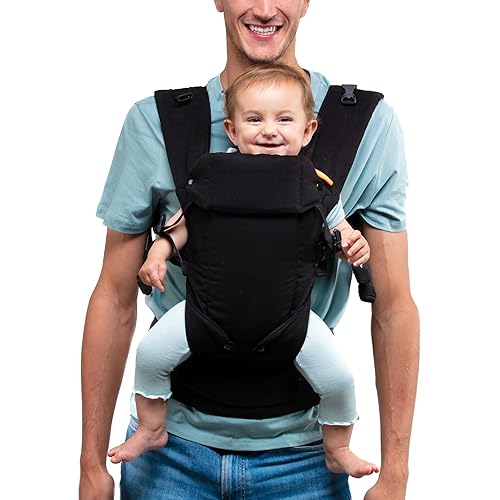
- Ergonomic front carrier with a wide waistband: A front carrier that keeps baby high and close and spreads weight across the hips is a good starting point for postpartum wear. View on Amazon
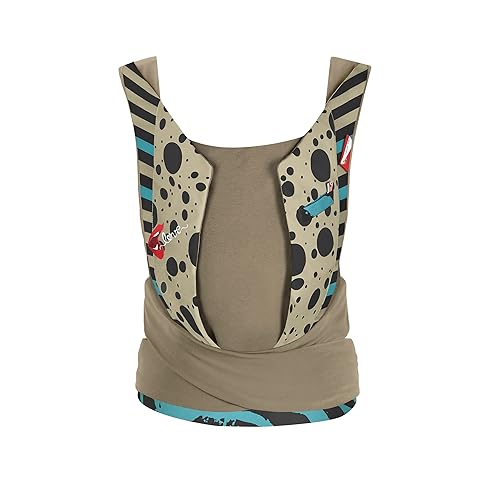
- Soft wrap-style carrier: A stretchy wrap can offer gentle, adjustable support for newborns and is easy to tighten or loosen as your body changes. View on Amazon
- Postpartum support belly band: A supportive band can ease abdominal pressure during walks, but check with your provider before using one. View on Amazon
How Carrier Choice Changes Over the First Year
Your needs will shift as your baby grows and your body recovers. Newborn-specific carriers and wraps work well in the first few months, while structured carriers with higher weight limits become more useful as your baby reaches several months of age. Some parents use a hip carrier once their core is stronger, and others prefer a backpack-style carrier for longer hikes. Choosing a carrier that adjusts for both you and your baby can save you from buying multiple models.
For more detail on specific brands and fits, you might find Tula Baby Carrier Sizes: How to Find the Right Fit (2026) helpful when comparing sizing, and Proper Baby Carrier Position vs Wrong Position: Which Should You Choose? for a closer look at positioning. If you want to try a wrap, Stretch Wrap Baby Carrier: How to Choose, Wear and Use One Safely covers the basics, and Ring Sling Baby Carrier Positions: A Step-by-Step Guide for Safe Wear explains how to use a ring sling. Parents who plan longer outings may also want to read Walking with Baby Carrier: A Step-by-Step Guide for Comfort and Safety.
FAQ
How soon after a C section can I use a baby carrier?
Many people wait until their six-week postnatal check before using a carrier regularly, though some use a light carrier sooner for short periods. Your provider’s clearance should guide you, especially if your recovery has been complicated.
Which carrier position is safest after a C section?
A front-facing position with baby high and upright on your chest usually puts the least strain on the abdomen. Keep the waistband below the incision and avoid any position that forces you to bend or twist.
Should the waistband sit over my scar?
No. The waistband should sit below the incision so it does not press on healing tissue. Adjust the straps so most of the weight rests on your hips.
How long should I carry my baby in one session?
Start with five to ten minutes and gradually extend the time as your body allows. Stop if you feel pain, pressure or fatigue.
Can I use a hip carrier after a C section?
Hip carriers keep weight off the front of the body, but they require some reaching and can strain the core if used too early. Many parents wait until their core feels stronger before trying one.
What warning signs mean I should stop carrying?
Stop and contact your doctor if you notice incision redness, swelling, discharge, bleeding, fever, or sharp or worsening pain. Pelvic heaviness or leaking urine during carrying should also be reported.
Is a wrap or structured carrier better after surgery?
Both can work. Wraps offer adjustable, gentle support for newborns, while structured carriers often provide firmer waist support as baby grows. Choose based on comfort and how easily you can adjust it.
Should I talk to a professional before carrying my baby?
Yes. A midwife, doctor, pelvic health physiotherapist or certified babywearing consultant can check your recovery and help you fit a carrier safely. This is especially important after a complicated birth.
Conclusion
Using a baby carrier after a C section is possible with patience and the right setup. Wait for your provider’s clearance, choose a carrier with a wide waistband and good newborn support, and keep your baby high and upright. Build up slowly, watch for warning signs, and seek professional advice whenever something feels wrong.
Ready to choose one?
About Graham Fisher
Graham Fisher is part of our editorial team and reviews and edits our baby gear guides, checking product details against manufacturer specifications and owner feedback.








Write Your Review
No reviews yet. Be the first to share your experience!