 By Graham Fisher
Updated November 2026
If you want to exercise with your baby close, the best baby carrier for working out needs to hold a growing child securely while your body moves, sweats and changes position. This guide compares six carriers from the product list we reviewed, using spec-sheet criteria: weight range, carry positions, hip support, fabric breathability, ease of putting the carrier on and off, and how well it distributes weight across the shoulders and lower back. We also looked at owner feedback patterns to flag common comfort and fit issues. Nothing here comes from personal testing, so check each listing before you buy.
Our top picks at a glance
- 1
 TOP CHOICEBest overallMomcozy Baby Carrier with Hip Seat, 2-in-1 Forward-Facing CarrierView on Amazon
- 2
 TOP CHOICEBest for newbornsGROWNSY Newborn Carrier, Ergonomic Cozy Baby CarrierView on Amazon
- 3
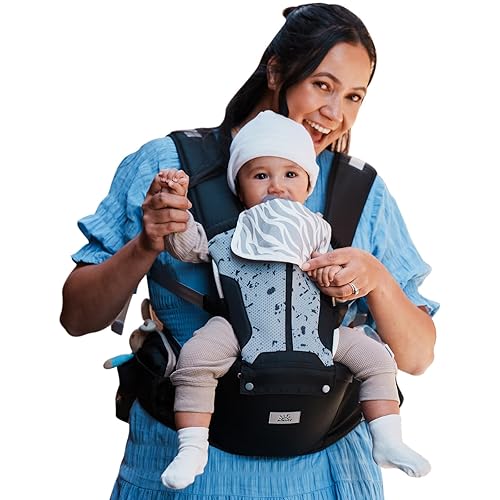 TOP CHOICEBest for plus-size parentsMOMTORY Safety-Certified 6-in-1 Baby CarrierView on Amazon
- 4
 Best for a soft wrap feelKeaBabies All in 1 Original Baby CarrierView on Amazon
- 5
 Best for small babiesMomcozy Newborn Carrier WeeSnugView on Amazon
- 6
 Best budget pickGrownsy Safety-Certified 3D Knit Baby CarrierView on Amazon
Our Top Picks
| Product | Best for | Key feature |
|---|---|---|
| Momcozy Baby Carrier with Hip Seat (AirMesh Black) | Active workouts with toddlers | Forward-facing carry with hip seat |
| GROWNSY Newborn Carrier (Cream) | Newborn workouts and walks | Wrap-like soft fabric with foldable head support |
| MOMTORY 6-in-1 Baby Carrier (Black) | Plus-size parents | Six carry positions and hip support |
| KeaBabies All in 1 Original Baby Carrier (Trendy Black) | Hands-free bonding and light workouts | Adjustable wrap-style fit |
| Momcozy Newborn Carrier WeeSnug (Khaki) | Small babies, 7–25 lbs | Cross-back support and lumbar pad |
| Grownsy 3D Knit Baby Carrier (Black) | Budget-minded buyers | Breathable 3D knit with hip seat |
Momcozy Baby Carrier with Hip Seat, 2-in-1 Forward-Facing Carrier
Momcozy Baby Carrier with Hip Seat, 2-in-1 Forward-Facing Carry for Active Babies, Detachable Hands-Free Carrier for 7-44lbs, Breathable Infant Carrier Fits Waist Sizes up to 45 Inches, AirMesh Black
Best for: Active workouts and walks with a baby who wants to face out.
This carrier suits parents who want a sturdier, more structured carrier for brisk walks, stroller-free outings and light training sessions. The hip seat helps move weight off the shoulders when the baby gets heavier.
Key specs:
- Listed weight range: 7–44 lbs
- Fits waist sizes up to 45 inches
- AirMesh fabric for airflow
- Detachable hands-free carry configuration
Pros:
- Hip seat supports the baby’s weight during longer sessions
- Breathable mesh panels help reduce overheating
- Forward-facing option suits curious older infants
Cons:
- Structured design takes longer to adjust than a wrap
- Mesh can feel less cozy in cold weather
Bottom line: A strong choice for parents who train regularly and want a carrier that handles a growing baby without shifting much.
GROWNSY Newborn Carrier, Ergonomic Cozy Baby Carrier
Wrap-Like Comfort, Soft Breathable Fabric, Foldable Head Support, Reduced Shoulder Pressure, OEKO-TEX Certified GROWNSY Newborn Carrier, Ergonomic, Cozy Baby Carrier, Cream
Best for: Newborn workouts and gentle walks.
Parents with a newborn who want a soft, wrap-like feel for low-impact exercise will find this carrier useful. It is designed for early months rather than heavy training.
Key specs:
- Soft, breathable fabric
- Foldable head support for newborns
- OEKO-TEX certification listed
- Reduced shoulder pressure design
Pros:
- Head support suits very young infants
- Soft fabric feels gentle against the skin
- Simple to position for walks and light activity
Cons:
- Not intended for vigorous training or running
- Outgrown as the baby gets heavier
Bottom line: Best for parents of newborns who want a cozy carrier for low-impact movement during the first months.
MOMTORY Safety-Certified 6-in-1 Baby Carrier
Plus Size Friendly, 6 Carry Positions, Ergonomic Hip Support, Cozy Baby Carrier with Hipseat for 7-50lbs, All Seasons MOMTORY Safety-Certified 6-in-1 Baby Carrier Newborn to Toddler, Black
Best for: Plus-size parents who need a roomy, supportive fit.
Owners who carry a larger frame often look for extra strap length and a hip belt that stays in place during movement. This carrier is built around six carry positions and a hip-support design.
Key specs:
- Six carry positions
- Ergonomic hip support
- Listed weight range: 7–50 lbs
- Covers newborn through toddler stages
Pros:
- Wide range of carry positions
- Hip support helps with longer sessions
- Works from newborn to toddler
Cons:
- Multiple positions mean a learning curve
- Bulkier than a simple wrap
Bottom line: A practical all-stage option for larger parents who want one carrier for workouts and errands.
KeaBabies All in 1 Original Baby Carrier
Easy to Wear Newborn to Toddler Sling, Hands Free Bonding, Lightweight, Breathable Infant Wraps, Adjustable Snug Fit KeaBabies Baby Wrap Carrier, All in 1 Original Baby Carrier, Trendy Black
Best for: Hands-free bonding and light workouts.
This is a wrap-style carrier with an adjustable fit. It suits parents who prefer a fabric carrier that molds to the body and can be adjusted quickly between sessions.
Key specs:
- Listed for newborn through toddler use
- Lightweight, breathable fabric
- Adjustable snug fit
- Hands-free carry design
Pros:
- Lightweight and easy to pack
- Adjustable fit suits different body shapes
- Good for close, cuddly carries
Cons:
- Wrap-style carries take practice to tie securely
- Less lumbar support than structured carriers
Bottom line: A flexible choice for parents who want a wrap feel and do lower-intensity activity.
Momcozy Newborn Carrier WeeSnug
Ergonomic Cross-Back Support and Lumbar Pad, Effortless to Put On, 100% Soft Cotton, OEKO-TEX, Visual Size Scale, Khaki Momcozy Newborn Carrier WeeSnug- Lightweight and Cozy Comfort for 7-25 lbs
Best for: Small babies in the 7–25 lb range.
The cross-back design and lumbar pad aim to spread weight across the back rather than the shoulders. The product page includes a visual size scale to help with fit checks.
Key specs:
- Listed weight range: 7–25 lbs
- 100% cotton fabric
- OEKO-TEX certification listed
- Cross-back support and lumbar pad
Pros:
- Cotton fabric is soft and breathable
- Lumbar pad adds back comfort
- Size scale helps with fit
Cons:
- Limited weight range means it is outgrown sooner
- Not built for heavy-duty training
Bottom line: Suited to parents with a smaller infant who want light, comfortable carrying during daily movement.
Grownsy Safety-Certified 3D Knit Baby Carrier
GROWNSYUltra Breathable, Flexible Fit, Plus Size Friendly, Lightweight Baby Carrier With Hipseat, Holds Babies 7-50lbs Safety-Certified 3D Knit Baby Carrier Newborn to Toddler, Black
Best for: Budget-minded buyers who want a breathable, hip-supported carrier.
This carrier combines a 3D knit body with a hip seat. It is a reasonable option for parents who want hip support without a premium structured design.
Key specs:
- Listed weight range: 7–50 lbs
- Ultra-breathable 3D knit fabric
- Hip seat included
- Newborn to toddler listing
Pros:
- Breathable knit suits warm weather
- Hip seat helps with heavier babies
- Wide weight range
Cons:
- Knit can stretch over time with heavy use
- Fewer carry positions than multi-position carriers
Bottom line: A sensible pick for parents who want a breathable, supportive carrier for regular movement without spending heavily.
Buying Guide
Weight Range and Growth Stages
Check the listed minimum and maximum weight before you buy. A carrier rated to 25 lbs will be outgrown quickly, while one rated to 50 lbs covers most of the toddler years. Plan for the period you will actually use it.
Good picks for this: Momcozy Baby Carrier with Hip Seat, MOMTORY 6-in-1 Baby Carrier
Hip Support and Weight Distribution
Carriers with a hip seat or hip belt move weight from the shoulders and lower back to the hips. This matters most once a baby passes about 15 lbs or during longer workouts. Look for a padded, wide waistband that stays in place when you bend or squat.
Good picks for this: Grownsy 3D Knit Baby Carrier, Momcozy Baby Carrier with Hip Seat
Breathability and Fabric
Workouts create heat. Mesh panels, knit fabrics and lightweight cotton tend to feel cooler than dense woven materials. Check the fabric description and consider the climate where you train.
Good picks for this: Momcozy Baby Carrier with Hip Seat, Momcozy Newborn Carrier WeeSnug
Size and Body Fit
Torso length, waist size and shoulder width all affect comfort. Some carriers list a maximum waist size; check it against your measurement. Plus-size parents should look for extended straps and a hip belt that reaches around the body without pinching.
Good picks for this: MOMTORY 6-in-1 Baby Carrier, KeaBabies All in 1 Original Baby Carrier
Carry Positions
Front-facing, hip, and back carries each shift the center of gravity. For workouts, a front-inward carry on a newborn is common, while forward-facing carries suit babies who can hold their head up. Carriers with more positions give flexibility but take longer to learn.
Good picks for this: MOMTORY 6-in-1 Baby Carrier, Momcozy Baby Carrier with Hip Seat
Ease of Use and Adjustment
If you change the carrier often between sets or errands, look for quick buckles or a pull-on design. Wrap-style carriers can be fast once you know the tying method but may take several tries to get right.
Good picks for this: KeaBabies All in 1 Original Baby Carrier, GROWNSY Newborn Carrier
Durability and Care
Sweat, dirt and frequent folding wear down straps and seams. Check whether the fabric is machine washable and whether the manufacturer lists a care method. Inspect buckles and stitching regularly, and retire any carrier with frayed straps.
Good picks for this: Grownsy 3D Knit Baby Carrier, MOMTORY 6-in-1 Baby Carrier
FAQ
Can I run with my baby in a carrier?
Most carriers are designed for walking and light activity. Running or jumping can shift the baby and put strain on the carrier and your body. Check the manufacturer’s guidance, and consider a hip-supported model if you plan to do higher-impact exercise. Consult your doctor or a physical therapist before resuming intense exercise after pregnancy.
What age can I start working out with my baby in a carrier?
Many newborn carriers are listed for use from birth, but that does not mean vigorous exercise is appropriate. Newborns need head and neck support. Ask your pediatrician about readiness, especially for newborns or babies with medical concerns.
Is a hip seat important for workouts?
A hip seat can help distribute weight away from the shoulders and back, particularly as the baby grows past about 15 lbs. It is useful for longer sessions, but fit and proper positioning matter just as much.
Should a carrier be worn front-facing during exercise?
Front-facing carries are common for babies who have good head control, but many safety guidelines recommend a face-in position for younger infants so you can watch their breathing and keep their airway clear. Follow the manufacturer’s instructions for your baby’s age.
How do I know if the carrier fits me properly?
Check that the waistband sits on your hips rather than your waist, the shoulder straps do not dig in, and the baby sits high enough on your chest to kiss without bending. Adjust the fit before each workout and recheck after the baby moves.
How often should I inspect my baby carrier?
Look over straps, buckles and stitching before each use, especially after sweaty sessions. Replace the carrier if you see fraying, loose stitching or damaged buckles.
Conclusion
The best baby carrier for working out depends on your baby’s age, your body and the kind of exercise you do. For a growing baby and regular brisk movement, the Momcozy Baby Carrier with Hip Seat offers the most structured support among these six. For newborns and low-impact walks, the GROWNSY Newborn Carrier is a soft, gentle option. Plus-size parents may find the MOMTORY 6-in-1 easier to fit, while the Grownsy 3D Knit Baby Carrier is a sensible budget pick. Check the weight range, hip support and fit notes before you buy, and talk with your doctor about when exercise is appropriate after birth.
Sources
- Federal safety guidance on infant carriers, product recalls and safe use (cpsc.gov)
- Pediatric guidance on infant carrying, safe sleep and newborn care (healthychildren.org)
- Recommendations on physical activity and exercise after pregnancy
Related reading
- Used Hiking Baby Carrier Picks: 6 Best Options for Trail Days (2026)
- Tula Bliss Bouquet Baby Carrier: 7 Best Tula Carriers Compared (2026)
- Tula Baby Carrier Comparison: Which Tula Baby Carrier Is Best for You?
- Tikinagan Baby Carrier for Sale: 7 Best Options Compared (2026)
About Graham Fisher
Graham Fisher is part of our editorial team and reviews and edits our baby gear guides, checking product details against manufacturer specifications and owner feedback.









Write Your Review
No reviews yet. Be the first to share your experience!