 By Graham Fisher
Updated November 2026
The best baby carrier for father is the one that fits his torso length, shoulder width and daily routine, and holds the baby snugly at a safe height. In this guide, you will learn how to measure yourself, match a carrier type to your needs, check the safety details that matter, and narrow your choices to a short list worth trying. Along the way you will find comparison tables and a few practical tips that many first-time dads overlook.
Why Fit Matters More for Dads
Most carriers are designed with a range of body sizes in mind, but they are not all cut the same way. Dads often have broader shoulders, longer torsos or a different center of gravity than the average parent, and a carrier that feels comfortable on one person can pull on the shoulders or ride too low on another. A poor fit causes more than discomfort. A loose or low-riding carrier can let the baby slump, which affects breathing and makes the load feel heavier on your back.
Shopping for one? See our guide: 6 Best Baby Carriers for Small Frame Parents (2026): Picks Compared.
Fit also affects how long you can wear the carrier. A good match lets you walk a grocery store, run errands or go on a short hike without stopping to readjust every few minutes. Spending a little time on fit at the start saves frustration later.
Step 1: Measure Yourself Before You Shop
Manufacturers publish size charts, and those charts are the fastest way to narrow your options. Take a few basic measurements before you compare models:
- Chest circumference: Measure around the fullest part of your chest, just under the armpits. Many soft-structured carriers list a chest or torso size range.
- Torso length: Measure from the base of your neck (the C7 vertebra, the bony bump at the bottom of the neck) down to your natural waistline. Some brands use torso length rather than chest size to define fit.
- Waist circumference: Needed for the waistband on most soft carriers. Measure at your natural waist, where a belt would sit.
- Shoulder width: Helpful for checking how straps will sit across your back.
Write these numbers down and keep them handy. When you compare product pages, check whether the brand lists its sizing by chest, torso, waist or height, since the terms are not standardized.
Step 2: Choose a Carrier Type That Fits Your Routine
Once you know your measurements, decide what you will mostly use the carrier for. Different types suit different routines.
Soft-Structured Carriers
Soft-structured carriers (often called SSCs) have padded shoulder straps, a structured back panel and a buckle waistband. They are a common choice for everyday use because they distribute weight well and can be adjusted quickly. Many have a hip belt that moves the load from your shoulders to your hips, which can matter a lot once a baby passes around 15 to 20 pounds.
Wrap Carriers
Wraps are long strips of fabric tied around the body. They are adaptable and work well for newborns, since they hold the baby close and support the head and spine. The tradeoff is a learning curve. Tying a wrap correctly takes practice, and the tie can feel tricky at first.
Ring Slings
Ring slings use a single fabric panel threaded through two rings. They are quick to put on and take off, which is handy for frequent short carries, but they generally suit smaller babies and shorter wearing sessions.
Hiking and Backpack-Style Carriers
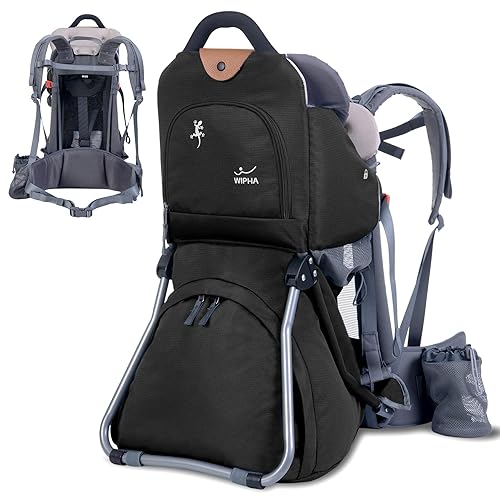
Some dads want to carry a toddler on trails or long walks. Backpack-style carriers have a rigid frame, a padded hip belt and a sun shade in many cases. They carry more weight but are bulkier, so they are less practical for crowded transit or indoor use.
| Carrier Type | Best For | Typical Age Range (Manufacturer Guidance) | Learning Curve |
|---|---|---|---|
| Soft-structured | Everyday errands, daily wear | Newborn to about 4 years, depending on model | Low to moderate |
| Wrap | Newborns, close bonding carries | Newborn onward, with supported positions | Moderate to high |
| Ring sling | Quick carries, smaller babies | Newborn to about 2 years, varies by brand | Low |
| Hiking backpack | Long walks, trails, toddlers | Usually 6 months or older with a head-support rating | Low to moderate |
Age ranges vary by manufacturer, so always confirm the minimum and maximum weight and age in the product manual before use.
Step 3: Check the Safety Details
Safety features should drive your decision more than color or style. Look for these points in every product listing and manual:
- Breathable positioning: The baby should be upright, with the chin off the chest and the airway clear. Look for the TICKS guidelines (Tight, In view at all times, Close enough to kiss, Keep chin off chest, Supported back) that many manufacturers reference.
- Weight and age limits: Every carrier lists a maximum weight. Stay within it, and do not use a newborn insert outside its specified range.
- Hip and seat position: For older babies, the seat should be at a height where the baby’s knees are higher than their bottom, supporting healthy hip development.
- Buckle and strap quality: Check that buckles lock firmly and that straps adjust independently so you can balance the load.
If you have questions about your baby’s development, hip health or any medical concern, consult your pediatrician or a certified car seat and carrier technician for guidance.
Step 4: Test the Fit Before Committing
Whenever possible, try a carrier on in person. Stores with baby gear sections often let you try demo models, and some local parenting groups hold lending or try-on events. If you buy online, check the return policy and keep the packaging in case you need to send it back.
A Simple Fit Check
- Set the shoulder straps so the top edge sits about level with the top of your shoulders, not above them.
- Fasten the waist buckle snugly at your natural waist, not on your belly.
- Load a weight close to your baby’s size (a sack of flour or a bag of rice works) and walk for 10 to 15 minutes.
- Check your shoulders, lower back and hips. Pain or numbness means the fit or the weight distribution needs adjustment.
- Look down at the baby. You should see their face easily without bending your neck.
Step 5: Plan for Growth and Shared Use
A carrier should last through several stages. Check how the seat adjusts as the baby grows, whether the carrier has a front-facing option and how the buckles adjust for the baby’s size. If you plan to share the carrier with a partner, look for a design with a wider range of adjustment, since a parent with a smaller frame may need a different setting.
Many dads also carry a toddler on their back once walking begins. Check the back-carry rating, since not every front carrier supports back carrying.
Common Mistakes
- Buying by brand reputation alone: A well-known brand may still fit a dad poorly if the torso range is wrong.
- Ignoring the hip belt: Many dads wear carriers on the shoulders alone and end up sore within the hour.
- Wearing the baby too low: A loose, low-riding carry is one of the most common setup errors.
- Skipping the manual: Adjustment steps and weight limits are easy to miss but matter for safety.
- Assuming newborn use is automatic: Many carriers require an insert or a specific setting for small babies.
Tips for Choosing Well
- Practice with the carrier at home before the first outing, especially for wraps and ring slings.
- Pick a carrier that you can put on alone in under a minute, since you will use it when you are busy.
- Read owner reviews for comments on fit by body type. Owners often report on whether a carrier suits taller or broader builds, which can help you narrow the field.
- Choose breathable, washable fabrics if you live in a warm climate.
Recommended gear
A few accessories make a carrier more comfortable and easier to use day to day.
- Lumbar support belt for carriers: A padded hip belt or support strap can help shift weight off the shoulders for longer carries. View on Amazon
- Carrier-friendly baby sun hat: A wide-brim hat or a shade that clips to the carrier keeps the sun off a baby’s face during outdoor walks. View on Amazon
- Breathable carrier liner or insert: A liner can make newborn carries more comfortable and help keep the fabric clean. View on Amazon
Related Reading
If you want to compare specific models, start with the Tula carrier comparison and the Manduca Baby Carrier vs Tula: Which Fits Your Baby and Body Best?. For a front-carry option with a strong hip belt, see JJ Cole Agility Carrier vs Baby K'tan: 9 Best Baby Carriers Compared (2026). Dads who hike with a toddler may find Used Hiking Baby Carrier Picks: 6 Best Options for Trail Days (2026) useful, and those who want a backpack-style design can compare options in Top Baby Carrier Backpacks: 6 Best Picks Compared (2026). For newborn-specific questions, Kangaroo Baby Carrier Newborn: 6 Best Picks Compared (2026) covers infant fit in detail.
FAQ
What is the best baby carrier for a tall father?
Look for a carrier with a wide torso range or an adjustable height setting, and check whether the brand lists torso length. Tall dads often need longer shoulder straps and a higher back panel to keep the baby at a comfortable height.
Can a dad use the same carrier as a mom?
In most cases, yes, as long as the carrier fits the wearer’s chest or torso measurements. The fit guidance is the same regardless of gender, so focus on measurements rather than labels.
When can a newborn go in a carrier?
Many carriers allow newborn use with an insert or a specific positioning method, and some require a minimum weight. Check the manual for the minimum age and weight, and consult your pediatrician if you have questions about your baby’s readiness.
Is a hip belt necessary?
For babies older than a few months, a hip belt is strongly recommended because it moves the load from the shoulders to the hips. It makes longer carries more comfortable for most wearers.
How do I know if the baby is positioned safely?
Use the TICKS guidelines: the baby should be tight to you, in view at all times, close enough to kiss, with the chin off the chest and the back supported. Check the position often, especially after the baby moves or falls asleep.
How often should I clean the carrier?
Follow the manufacturer’s washing instructions, which usually recommend spot cleaning for stains and occasional machine washing on a gentle cycle. Dry the carrier fully before use to prevent mildew.
Should I buy a used carrier?
A used carrier can work well if it is in good condition, with intact buckles, undamaged straps and no recalls. Check the manufacturer’s website for recall notices and be cautious about carriers with worn stitching or missing parts.
Conclusion
The best baby carrier for father is the one that matches his measurements, his daily routine and the baby’s age and size. Start by measuring your torso and waist, decide on a carrier type, and confirm the safety details in the manual. Test the fit before you commit, and plan for how the carrier will work as your baby grows.
Taking these steps will help you find a carrier you can wear comfortably for years.
Related reading
Ready to choose one?
About Graham Fisher
Graham Fisher is part of our editorial team and reviews and edits our baby gear guides, checking product details against manufacturer specifications and owner feedback.









Write Your Review
No reviews yet. Be the first to share your experience!