 By Graham Fisher
Updated November 2026
Finding the best baby carrier for small frame parents comes down to a few measurable things: how far the shoulder straps can be shortened, whether the waist belt or hip panel sits well on a narrow torso, how much the carrier weighs when it is empty, and whether the baby stays close to your center of gravity. This guide compares six carriers using manufacturer specifications, brand reputation and the patterns owners commonly describe in their feedback, so you can narrow the field to options that suit a shorter height and smaller build.
Our top picks at a glance
- 1
 TOP CHOICEBest overallBabyBjörn Baby Carrier MiniView on Amazon
- 2
 TOP CHOICEBest for toddlers on the moveLightweight Backpack Carrier, PebbleView on Amazon
- 3
 TOP CHOICEBest for newbornsGROWNSY Newborn Carrier, CreamView on Amazon
- 4
 Best for growing babiesInfantino Flip 4-in-1 Baby Carrier, LeopardView on Amazon
- 5
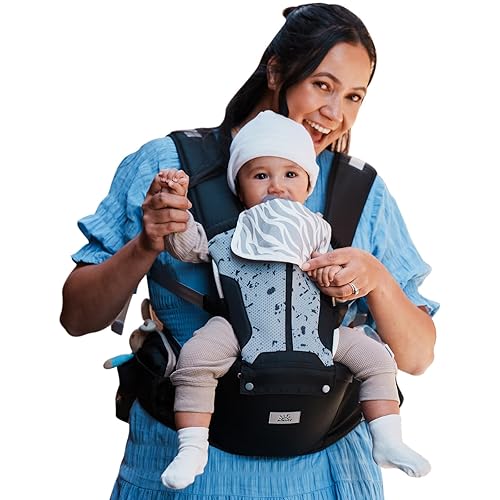 Best for plus-size and petite fitMOMTORY 6-in-1 Baby Carrier, BlackView on Amazon
- 6
 Best budget pickGROWNSY Baby Carrier, Beige HoundstoothView on Amazon
Our Top Picks
Quick Comparison
| Product | Best for | Key feature |
|---|---|---|
| BabyBjörn Baby Carrier Mini | Newborns through early infancy | Compact, lightweight 3D jersey build |
| Lightweight Backpack Carrier, Pebble | Toddlers and older kids | Aluminum frame with kickstand |
| GROWNSY Newborn Carrier, Cream | Newborns with a wrap-style feel | Foldable head support and OEKO-TEX certified fabric |
| Infantino Flip 4-in-1 Baby Carrier, Leopard | Babies from about 8 to 32 lbs | Convertible, adjustable fit |
| MOMTORY 6-in-1 Baby Carrier, Black | Wide range of body sizes | Six carry positions with hip support |
| GROWNSY Baby Carrier, Beige Houndstooth | Budget-conscious everyday use | Lightweight, head support, 0–36 months |
BabyBjörn Baby Carrier Mini
BabyBjörn Baby Carrier Mini, Light Beige, 3D Jersey | Newborn Carrier, Ergonomic, Easy-to-Use
Best for: Newborns through early infancy with a compact, minimalist fit
This carrier suits smaller parents who want a light, streamlined carrier that does not overwhelm a petite frame. Its narrower profile tends to sit closer to the body, which many shorter wearers find easier to manage.
Key specs
- Newborn-focused design with a 3D jersey fabric
- Ergonomic seat intended for an M-shaped leg position
- Lightweight construction for all-day wear
Pros
- Light and easy to put on without help
- Soft, breathable fabric
- Simple buckles with few adjustment points to learn
Cons
- Best suited to younger babies, so it has a shorter useful life
- Limited padding for long hikes or heavy loads
Bottom line: A strong first carrier for a petite parent who mainly needs a newborn-to-infant option that stays out of the way.
Lightweight Backpack Carrier, Pebble
Lightweight Backpack Carrier | Premium Features, Ergonomic Aluminum Frame & Kickstand. (Everyday Comfort. Easy to Use. Designed for Babies, Toddlers & Kids 16-40lbs), Pebble
Best for: Toddlers and older kids who need a sturdier, longer-wearing carrier
Shorter parents often struggle with carriers that place a heavier child too low or too far from the shoulders. This backpack-style design is built around a supportive frame, which can help distribute weight when a child is older and heavier.
Key specs
- Designed for children in the 16–40 lb range according to the listing
- Aluminum frame with a kickstand for resting the carrier
- Padded back and straps for everyday wear
Pros
- Frame transfers weight away from the shoulders
- Easy to use for longer walks and errands
- Kickstand makes loading and unloading simpler
Cons
- Bulkier and heavier than soft fabric carriers
- Not intended for newborns
Bottom line: The right choice for a small-framed parent carrying an older toddler who needs more support than a soft carrier provides.
GROWNSY Newborn Carrier, Cream
Wrap-Like Comfort, Soft Breathable Fabric, Foldable Head Support, Reduced Shoulder Pressure, OEKO-TEX Certified GROWNSY Newborn Carrier, Ergonomic, Cozy Baby Carrier, Cream
Best for: Newborns who benefit from a wrap-like, snug fit
A wrap-style carrier can feel more forgiving on a narrow frame because the fabric adjusts to the body rather than relying on rigid structure. This model emphasizes softness and head support for very young infants.
Key specs
- Soft, breathable fabric described as OEKO-TEX certified
- Foldable head support for newborns
- Designed to reduce pressure on the shoulders
Pros
- Snug, wrap-like fit that many newborn parents prefer
- Head support helps with the earliest weeks
- Fabric is described as gentle on sensitive skin
Cons
- Fit can take practice to get right on a smaller frame
- Less suited to long periods of heavy carrying
Bottom line: Best for a small parent with a newborn who wants a soft, close-fitting carrier for the first months.
Infantino Flip 4-in-1 Baby Carrier, Leopard
Grows with baby from 8-32 lbs. Adjustable fit. Ergonomic hands-free carrying for everyday adventures. Registry Gift Infantino Flip 4-in-1 Baby Carrier Convertible Ergonomic, Leopard
Best for: Growing babies who need one carrier that adapts over time
Convertible carriers reduce the need to buy a second carrier later. For a shorter parent, the adjustable fit matters most, since a carrier that cannot be shortened enough will ride too low and strain the back.
Key specs
- Listed weight range of 8 to 32 lbs
- Four carry configurations in the 4-in-1 design
- Adjustable straps for a customized fit
Pros
- Covers a long stretch of infancy and toddlerhood
- Adjustable fit suits a range of body sizes
- Hands-free carrying for everyday tasks
Cons
- Multiple configurations add a learning curve
- May feel bulky for parents who want a minimal carrier
Bottom line: A practical long-term investment for a small parent who wants one carrier to grow with the baby. We also found Baby Carrier at Ackermans Prices: A Buyer's Guide for 2026 useful on this point.
MOMTORY 6-in-1 Baby Carrier, Black
MOMTORYPlus Size Friendly, 6 Carry Positions, Ergonomic Hip Support, Cozy Baby Carrier with Hipseat for 7-50lbs, All Seasons Safety-Certified 6-in-1 Baby Carrier Newborn to Toddler, Black
Best for: Parents who want a wide range of positions and a supportive hip seat
Small-framed parents sometimes need to shorten a carrier considerably, and multi-position designs can make the baby sit higher or lower to match the wearer’s torso. The hipseat is particularly relevant for older babies.
Key specs
- Listed weight range of 7 to 50 lbs
- Six carry positions
- Ergonomic hip support with a hipseat
Pros
- Versatile across newborn to toddler stages
- Hipseat reduces strain on the lower back for older babies
- Wide adjustment range for different body sizes
Cons
- Heavier than minimal soft carriers
- Six positions take time to master
Bottom line: A good fit for a petite parent who expects to carry through toddlerhood and wants flexibility.
GROWNSY Baby Carrier, Beige Houndstooth
Baby Carriers Newborn to Toddler Lightweight Ergonomic, Easy to Wear Hands Free Infant Carrier for Baby 0-36 Months GROWNSY Baby Carrier, Infant 7-44 lbs, with Head Support, Beige Houndstooth
Best for: Budget-conscious everyday carrying across the first three years
This carrier is a sensible choice for a smaller parent who wants a lightweight, easy-to-wear option without investing in a premium model. Its long listed age range means it can cover several stages.
Key specs
- Listed for babies from 0 to 36 months and 7 to 44 lbs
- Head support included for infants
- Lightweight, hands-free design
Pros
- Lightweight and simple to put on
- Wide listed age and weight range
- Head support aids early months
Cons
- Fewer premium features than higher-end carriers
- Padding may feel thin for long periods of heavier toddler wear
Bottom line: A solid, low-commitment option for a petite parent who wants reliable everyday function.
Buying Guide
Check the shoulder strap and torso adjustment range
Before buying, measure your torso length from the base of the neck to the waistline. Compare that to the carrier’s listed torso or height range if the manufacturer provides one. Carriers with more strap adjustment give petite parents more room to bring the baby up high enough to kiss the top of the head without leaning forward.
Good picks for this: Infantino Flip 4-in-1 Baby Carrier, MOMTORY 6-in-1 Baby Carrier If you want more background, see 6 Best Baby Carriers for Airport Travel: Compared for Security and Flights.
Look at the weight rating and baby’s age range
Manufacturers list weight ranges such as 7 to 50 lbs or 8 to 32 lbs. A carrier rated only for newborns will not help once your baby passes the weight limit, and an older child in a newborn-only carrier can sag. Match the rating to how long you plan to carry. If you want more background, see Luvlap Baby Carrier Blossom: Fit, Features and Safe Use Guide (2026).
Good picks for this: Lightweight Backpack Carrier, GROWNSY Baby Carrier
Consider the weight of the carrier itself
A carrier’s own weight adds to the load on your shoulders and back. Soft fabric models are generally lighter than framed or padded designs. If you carry for long periods, a lighter empty weight can make a noticeable difference over a full day. A related read: 6 Best Baby Carrier Narrow Seat Options for Petite Frames (2026).
Good picks for this: BabyBjörn Baby Carrier Mini, GROWNSY Newborn Carrier You may also like 5 Best Soft Structured Baby Carriers for Everyday Comfort (2026).
Evaluate the hip and waist support
For babies beyond the newborn stage, a supportive hip seat or waist belt moves weight from the shoulders to the hips. Check that the belt can be tightened to sit on the hips rather than the ribs, since a belt that rides too high can be uncomfortable on a shorter torso.
Good picks for this: MOMTORY 6-in-1 Baby Carrier, Lightweight Backpack Carrier
Check the leg and seat positioning
Healthy hip development depends on the baby’s legs being supported in a spread-squat position with knees higher than the bottom. Look for a seat wide enough for your baby’s legs to be spread, and avoid carriers that force legs straight down. Consult a pediatrician or certified baby carrier educator if you are unsure about positioning. We also found 6 Best Tri Cotti Baby Carriers for Newborns and Toddlers (2026) useful on this point.
Good picks for this: BabyBjörn Baby Carrier Mini, Infantino Flip 4-in-1 Baby Carrier
Think about fabric, breathability and care
Breathable, soft fabrics help in warm weather and reduce overheating. Check whether the cover is machine washable, since carriers take in spit-up and daily grime. Certifications such as OEKO-TEX indicate the fabric has been tested for certain harmful substances, which some parents value for newborn contact.
Good picks for this: GROWNSY Newborn Carrier, GROWNSY Baby Carrier
Match the carrier to your main use case
Think about where you will carry most. A soft carrier suits walks and errands, a framed backpack suits longer outings with an older child, and a convertible model fits parents who want one carrier for many stages. Being honest about your routine usually narrows the choice quickly.
Good picks for this: Infantino Flip 4-in-1 Baby Carrier, Lightweight Backpack Carrier
FAQ
What is the best baby carrier for a small frame?
There is no single answer, but the best baby carrier for small frame parents usually offers wide strap adjustment, a waist or hip belt that can be tightened on a shorter torso, and a weight rating that matches your baby’s age. Compare the specifications above against your own measurements.
How do I know if a carrier fits a petite body?
Try the carrier on with the strap and belt fully adjusted, then check that the baby sits high on your chest, with their head at or just below your chin level, and that the belt rests on your hips. If the baby sits too low or the straps are at their maximum length, the carrier may be too large.
Can a newborn use a carrier designed for toddlers?
Most toddler carriers do not provide adequate support for a newborn’s head and neck. Check the manufacturer’s minimum weight and age guidance and choose a model labeled for newborns. Consult your pediatrician before using any carrier with a newborn.
Are backpack-style carriers suitable for small parents?
They can be, especially for older toddlers. The frame and hip support help with heavier children, but the carrier is bulkier and heavier when empty. Test the fit carefully, since a framed carrier that is too large can throw off your balance.
How long can I safely wear a baby carrier each day?
Comfort is the best guide. Take breaks to stretch, check the baby regularly, and stop if your back or shoulders become sore. Baby carrier safety guidance from health authorities emphasizes keeping the baby visible and their airway clear at all times.
Should I buy a carrier that grows with my baby?
A convertible carrier can save money over time, but only if the fit works for your frame throughout those stages. Multi-position carriers tend to require more learning, so factor in the time you are willing to spend getting comfortable with them.
Conclusion
For most small-framed parents, the right carrier depends on the baby’s age and how you plan to carry. The BabyBjörn Baby Carrier Mini suits compact, early-infancy use. The GROWNSY Newborn Carrier suits a wrap-like newborn fit. The Infantino Flip 4-in-1 and MOMTORY 6-in-1 fit parents who want to carry longer across more stages. The Lightweight Backpack Carrier suits older toddlers, and the GROWNSY Baby Carrier is a practical everyday option. Measure your torso, check the weight range and try the carrier on with your baby before you commit.
Sources
- Consumer safety guidance on infant carriers, product recalls and safe use (cpsc.gov)
- Pediatric recommendations on infant positioning and safe carrying practices (aap.org)
- Research and health information on infant development and hip health (nih.gov)
Related reading
- Baby Carrier Too Big? 7 Best Carriers for Petite Parents and Small Babies
- Used Hiking Baby Carrier Picks: 6 Best Options for Trail Days (2026)
- Tula Bliss Bouquet Baby Carrier: 7 Best Tula Carriers Compared (2026)
- Tula Baby Carrier Comparison: Which Tula Baby Carrier Is Best for You?
About Graham Fisher
Graham Fisher is part of our editorial team and reviews and edits our baby gear guides, checking product details against manufacturer specifications and owner feedback.






Write Your Review
No reviews yet. Be the first to share your experience!