 By Graham Fisher
Updated November 2026
Choosing a baby body carrier wrap comes down to a few practical questions: how old your baby is, how much they weigh, how long you plan to wear them, and how comfortable the fabric feels against your shoulders and back. This guide compares seven wraps sold on Amazon US, using manufacturer specifications, brand reputation and the feedback owners commonly share about fit, breathability and ease of use. We focused on weight ranges, fabric type, adjustability, how the wrap is tied or fastened, and whether a product works across the newborn-to-toddler range.
Our top picks at a glance
- 1
 TOP CHOICEBest overallKeaBabies Baby Wrap CarrierView on Amazon
- 2
 TOP CHOICEBest for toddlersYolay Baby Wrap CarrierView on Amazon
- 3
 TOP CHOICEBest for quick dressingMomcozy Baby Wrap CarrierView on Amazon
- 4
 Best for a classic stretch wrapBoba Baby Wrap CarrierView on Amazon
- 5
 Best for a neutral, everyday lookBaby Wraps Carrier Newborn Sling (Beige)View on Amazon
- 6
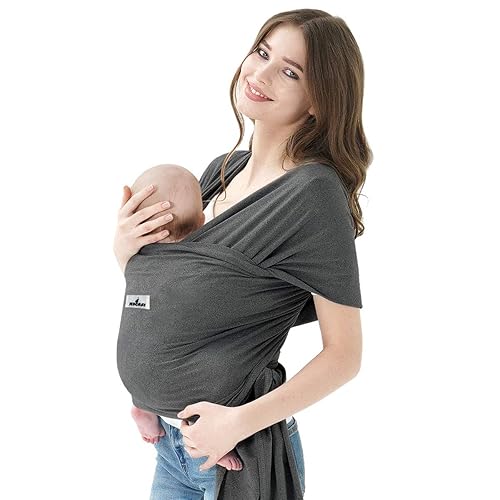 Best for lightweight breathabilityJeroray Baby Wraps Carrier (Heather Grey)View on Amazon
- 7
 Best budget pickHands Free Baby Wrap Carrier (Black)View on Amazon
Our Top Picks
Before the comparison, a note on terms. A “body carrier wrap” is a long piece of soft, stretchy or woven fabric that wraps around the wearer’s torso and supports the baby in a front, hip or back position. Wraps differ from structured carriers, which use buckles and padded straps, and from ring slings, which use a single fabric panel threaded through rings. If you want a side-by-side look at those formats, see Baby Carrier Types: Structured, Wrap, Ring Sling and Backpack.
Quick Comparison
| Product | Best for | Key feature |
|---|---|---|
| KeaBabies Baby Wrap Carrier | Newborn to toddler use | All-in-one wrap with adjustable fit |
| Yolay Baby Wrap Carrier | Heavier babies and toddlers | Listed weight capacity up to 50 lb |
| Momcozy Baby Wrap Carrier | Quick, no-tie wearing | Easy-on two-piece design |
| Boba Baby Wrap Carrier | Stretchy, close-to-body carrying | Stretch cotton construction |
| Baby Wraps Carrier Newborn Sling (Beige) | Newborns in a 7–35 lb range | Neutral colorway, hands-free design |
| Jeroray Baby Wraps Carrier (Heather Grey) | Warm-weather wear | Lightweight, breathable fabric |
| Hands Free Baby Wrap Carrier (Black) | Budget-minded families | Lightweight, soft, shower-gift friendly |
KeaBabies Baby Wrap Carrier
KeaBabiesEasy to Wear Newborn to Toddler Sling, Hands Free Bonding, Lightweight, Breathable Infant Wraps, Adjustable Snug Fit Baby Wrap Carrier, All in 1 Original Baby Carrier, Trendy Black
Best for: Newborn to toddler use with a single carrier
This wrap is aimed at parents who want one carrier to cover a long stretch of babywearing without buying a second product as the baby grows. The product name describes a newborn-to-toddler range and a hands-free design with an adjustable snug fit.
Key specs
- Marketed as a newborn-to-toddler wrap
- Hands-free, adjustable fit
- Breathable infant wrap fabric
Pros
- Positioned for a wide age range
- Adjustable fit suits different body sizes
- Hands-free design makes it easy to pick up and set down the baby
Cons
- Wrap-style carriers take practice to tie comfortably
- A long wrap can be bulky to store in a small bag
Bottom line: A strong choice for parents who want one carrier to span the newborn stage and the toddler stage, and who are willing to learn a wrap tie.
Yolay Baby Wrap Carrier
Yolay Baby Wrap Carrier Easy to Wear Soft Baby Carrier Sling Hands Free Adjustable Baby Carrier for Newborn to Toddler Upto 50 lbs, Mud Grey
Best for: Heavier babies and toddlers
Parents of older or heavier babies often find that many wraps lose support as weight increases. This model lists a higher upper weight limit, which makes it worth checking if your child is past the early months.
Key specs
- Listed for newborn to toddler use
- Stated weight capacity up to 50 lb
- Hands-free, adjustable design
Pros
- Higher stated weight limit than many wraps
- Designed for an easy-to-wear, soft feel
- Adjustable sizing for a range of wearers
Cons
- Heavier loads can strain the wearer’s back over long walks
- Fabric may feel warm in hot weather
Bottom line: Best for families who expect to carry a larger child for longer periods and want a wrap rated for that weight.
Momcozy Baby Wrap Carrier
MomcozyEasy On Like a T-Shirt, XXS-XXL Adjustable Fit, IHDI Hip-Healthy, Lightweight Hands-Free Comfort Baby Sling Carrier, Black Baby Wrap Carrier, Easy-On 2-Piece Design, Newborn to 33 lb
Best for: Quick, no-tie wearing
Many parents find that the time spent tying a wrap is the biggest hurdle, especially in the first weeks. This design is built around a faster, easy-on approach, which suits busy days and wearers who are still building confidence.
Key specs
- Easy-on two-piece design
- Listed for newborn to 33 lb
- Adjustable fit across a broad size range
Pros
- Faster to put on than a traditional long wrap
- Two-piece construction simplifies setup
- Adjustable fit suits a range of body types
Cons
- The stated 33 lb limit is lower than some toddler-focused wraps
- Less customizable positioning than a full-length wrap
Bottom line: A practical choice for parents who want speed and simplicity, especially in the newborn and early infant stages.
Boba Baby Wrap Carrier
BobaBreathable, Hands-Free Babywearing Carrier Wrap; ergonomic, secure hold for newborn to toddler 7-35 lbs. Baby Wrap Carrier – Stretch Cotton Newborn Sling, Gray
Best for: Stretchy, close-to-body carrying
Stretch cotton wraps are a long-standing option for newborns, since the fabric molds to the baby’s small body. Owners often describe a snug, close feel that keeps the baby settled against the chest.
Key specs
- Stretch cotton construction
- Listed for newborn to toddler use in the 7–35 lb range
- Hands-free wearing design
Pros
- Stretch fabric conforms to newborns
- Soft, breathable cotton feel
- Well-known brand in the babywearing category
Cons
- Stretch fabric can lose recovery over time with heavy use
- Requires careful sizing to avoid slipping
Bottom line: A good fit for parents who prefer a traditional stretch wrap and plan to use it mainly in the early months.
Baby Wraps Carrier Newborn Sling (Beige)
Baby Wraps Carrier, Baby Carrier Wrap Newborn Sling 7-35lbs, Baby Wearing Wrap Newborn Wrap Carrier, Baby Sling Carriers for Newborn and Infant, Beige
Best for: Newborns in a 7–35 lb range
This wrap lists a wide weight range and a neutral beige colorway, which many parents prefer for a carrier they will wear with everyday clothes.
Key specs
- Listed for 7–35 lb babies
- Hands-free newborn sling design
- Beige colorway
Pros
- Wide stated weight range
- Neutral color works with most wardrobes
- Designed for newborn and infant use
Cons
- Light-colored fabric shows stains more readily
- Specific fabric composition varies by listing, so check before buying
Bottom line: A sensible pick for parents who want a neutral wrap that covers the newborn through infant stages.
Jeroray Baby Wraps Carrier (Heather Grey)
Baby Wraps Carrier, Jeroray Baby Carrier,Hands Free Infant Carrier, Lightweight,Breathable,Softness,Heather Grey
Best for: Warm-weather wear
Lightweight, breathable fabrics help reduce heat buildup against the wearer’s chest and the baby’s back. This wrap is positioned around softness and breathability, which matters most in summer.
Key specs
- Lightweight construction
- Breathable fabric
- Heather grey colorway
Pros
- Light fabric is comfortable in warm weather
- Soft feel against skin
- Hands-free design
Cons
- Lighter fabrics may offer less structure for heavier babies
- Specific weight limit should be confirmed in the listing
Bottom line: Best for parents in warm climates or those who carry the baby through summer outings.
Hands Free Baby Wrap Carrier (Black)
Baby Wrap Carrier,Hands Free Baby Carrier Sling,Lightweight,Breathable,Softness,Perfect for Newborn Infants and Babies Shower Gift,Black
Best for: Budget-minded families
A simple, soft wrap in a neutral black colorway is a practical option for families who want a functional carrier without a large outlay. It also works as a practical gift for expectant parents.
Key specs
- Lightweight, breathable construction
- Designed for newborn and infant use
- Black colorway
Pros
- Straightforward, low-complexity design
- Soft fabric suited to newborns
- Easy to pair with a range of clothing
Cons
- Fewer adjustability features than some higher-end wraps
- May not suit heavier toddlers
Bottom line: A good value-focused choice for newborn-stage babywearing, particularly for parents on a tight budget.
Buying Guide
Weight range and age range
Check the stated weight limit before you buy. Many wraps are marketed for newborns and infants, while others list support into the toddler years. A wrap rated to 35 lb may feel uncomfortable with a heavier child, and a newborn-only wrap may not provide enough structure once the baby grows.
Good picks for this: KeaBabies Baby Wrap Carrier, Yolay Baby Wrap Carrier
Fabric and breathability
Stretch cotton tends to conform closely to a newborn, while lighter woven or blended fabrics typically breathe better in warm weather. Think about where you will wear the carrier most often. Indoor use and winter walks call for different materials than summer errands.
Good picks for this: Boba Baby Wrap Carrier, Jeroray Baby Wraps Carrier
Ease of use and tying time
Traditional long wraps offer the most positioning options but take practice. Two-piece or easy-on designs get you into the carrier faster, which can matter when you are caring for a fussy baby. If you are new to wraps, starting with a simpler design can make the learning curve less frustrating. For a step-by-step look at safe setup, see Baby Wrap Carrier Sling: A Step-by-Step Guide to Safe Wear.
Good picks for this: Momcozy Baby Wrap Carrier, Hands Free Baby Wrap Carrier
Adjustability and fit
Your body size and the baby’s size both affect fit. Look for wraps with a range of adjustment or clear sizing guidance. Check how the wrap distributes weight across your shoulders and lower back. A wrap that is too loose can allow the baby to shift, and one that is too tight can be uncomfortable for the wearer.
Good picks for this: KeaBabies Baby Wrap Carrier, Baby Wraps Carrier Newborn Sling (Beige)
Use case and wearing time
If you plan to wear the baby for short periods around the house, a lightweight wrap may be enough. For longer walks or travel, look for a fabric and construction that spreads weight evenly. Parents who plan to hike or walk long distances often compare wraps with structured options. The broader category is covered in Baby Carrier Types: Structured, Wrap, Ring Sling and Backpack.
Good picks for this: Yolay Baby Wrap Carrier, Boba Baby Wrap Carrier
Durability and washing
Stretch fabrics can lose elasticity with frequent washing and heavy wear. Check the care label and follow the manufacturer’s washing instructions, which usually recommend gentle cycles and air drying. Replace a wrap that shows thinning, pilling or loss of stretch, since these can affect support.
Good picks for this: Hands Free Baby Wrap Carrier, Jeroray Baby Wraps Carrier
Safe use
Safe babywearing depends on keeping the baby’s airway clear, with the baby’s face visible and chin off the chest. Always check the baby frequently. Ask your pediatrician or a certified babywearing educator for guidance, especially for premature babies or infants with health concerns.
Good picks for this: KeaBabies Baby Wrap Carrier, Momcozy Baby Wrap Carrier
FAQ
What age can I start using a baby body carrier wrap?
Many wraps are designed for newborns, but manufacturers specify the minimum weight and age in their listings. Newborns need close, supportive positioning with the head and airway protected. Check the product’s instructions and consider a demonstration from a certified babywearing educator before your first use.
How do I know if the wrap fits me?
A good fit keeps the fabric snug across your back and shoulders, with the baby held close to your chest. Adjust the wrap so it does not dig into your shoulders, and make sure the baby’s weight sits evenly. If the wrap slides or feels uneven, retie it before continuing.
Is a wrap safer than a structured carrier?
Neither style is inherently safer. Safety depends on correct positioning and regular checks. Wraps offer flexibility but require more skill to tie. Structured carriers are often quicker to use. Either way, follow the manufacturer’s instructions and keep the baby’s face visible.
Can I wash a baby body carrier wrap in the machine?
Many wraps are machine washable on a gentle cycle, but always check the care label. Air drying is usually recommended to protect the fabric’s stretch. Avoid bleach and high heat, which can weaken fibers.
How many hours can I wear the baby in a wrap?
There is no universal limit. Take breaks to stretch, rehydrate and let the baby move freely. If you feel back or shoulder pain, shorten your wear time or adjust the fit. A physical therapist or your doctor can advise if discomfort persists.
Do I need a wrap for a toddler?
Some wraps are rated for toddlers, while others are designed only for infancy. Check the weight limit. Toddlers who want to move around may do better in a structured carrier with a hip seat, so consider how your child prefers to be carried.
Should I consult a professional before using a wrap?
Yes, especially if your baby was born early, has breathing or reflux concerns, or if you have back or shoulder conditions. A pediatrician, physical therapist or certified babywearing educator can help you choose the right wrap and technique.
Conclusion
For a single carrier that covers the newborn stage through toddlerhood, the KeaBabies and Yolay wraps stand out on specifications. Parents who want the fastest setup should consider the Momcozy design. Stretch cotton fans may prefer the Boba wrap, while warm-weather wear points toward the Jeroray. The beige and black options suit families who want a neutral, budget-minded choice for the early months. Match the weight range, fabric and tying style to your baby’s age and your daily routine, and check the listing before you buy.
Sources
- Consumer product safety information and recall notices relevant to infant carriers and wraps (cpsc.gov)
- Pediatric guidance on infant safety, positioning and babywearing (aap.org)
- Research and health information on infant development and safe sleep and carrying practices (nih.gov)
Related reading
- Stretch Wrap Baby Carrier: How to Choose, Wear and Use One Safely
- Nuna Baby Carrier vs Ergobaby: Which One Fits Your Body and Routine?
About Graham Fisher
Graham Fisher is part of our editorial team and reviews and edits our baby gear guides, checking product details against manufacturer specifications and owner feedback.










Write Your Review
No reviews yet. Be the first to share your experience!