 By Graham Fisher
If you left a baby carrier on top of your car, stop, check your mirrors and the road behind you, and retrieve it before driving on. A carrier resting on the roof can slide off at speed, creating a hazard for other drivers and a loss for you. Most people only realize it after they have already pulled away, so a quick habit check matters more than the carrier itself.
Why a Baby Carrier Ends Up on the Roof
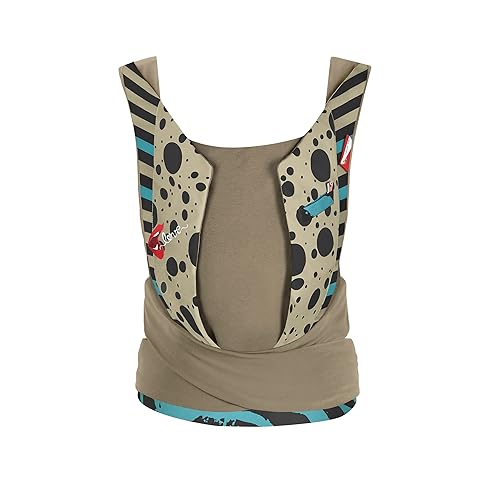
Parents are juggling a lot at once: a diaper bag, a stroller, a sleeping infant, and a car seat base that needs to be clicked in. A soft carrier is light and easy to set down, and a flat roof looks like a convenient shelf. The problem is that a soft-structured or wrap-style carrier has no built-in grip, so it sits on the roof with nothing holding it in place.
Shopping for one? See our guide: 6 Best Baby Carriers for Small Frame Parents (2026): Expert Picks Compared.
The mistake is especially common when a carrier is worn on the front and then taken off while the parent is still standing near the vehicle. The carrier gets set down on the first flat surface nearby, the door gets opened, and the carrier is forgotten.
Factors That Affect the Risk
Several details determine how likely a carrier is to stay put or fall off:
- Carrier type. Wraps and slings can unfurl in the wind. Buckled soft-structured carriers are heavier and more stable but still slide on a curved roof.
- Roof shape. Sedans with a sloped rear window often let a carrier slide backward. SUVs and minivans with flat roofs hold items longer, which can give a false sense of security.
- Roof racks and rails. Items placed near rails can wedge, but a carrier resting loosely on a bare roof is unsecured.
- Speed and wind. Even low-speed driving on a parking lot exit can dislodge a light item. Highway speeds make a fall far more dangerous for following drivers.
- Visibility. Many vehicles block the view of the roof from the driver’s seat, so the item is out of sight the whole time.
What to Do If You Realize It Is Missing
Stay calm and act in this order. Each step reduces the chance of an accident or a lost carrier.
- Pull over in a safe spot as soon as you can. Use your hazard lights and avoid stopping in a live lane.
- Check the roof, the rear window area, and the road behind you. Look for the carrier on the pavement.
- If it is on the road and safe to retrieve, pull over fully and collect it. Do not dart into traffic.
- If it has already fallen somewhere else, retrace your route slowly and look for it.
- If the carrier has caused a collision or debris is in a traffic lane, call local emergency services or the non-emergency police line.
- Inspect the carrier for damage, especially the buckles, straps, and seams, before using it again. Check that the baby was not in it at the time, and if you were wearing the carrier, make sure your child is safe.
Practical Habits That Prevent This
- Make a rule: nothing goes on the roof, ever. Keep the carrier in the cabin, on a seat, or in the trunk.
- Use a “last look” routine. Before you close the door, glance at the roof and the ground around the car.
- Put the carrier in the same spot every time, such as the front passenger seat, so your hands know where it goes.
- If you carry a baby and a bag, hang the carrier on your shoulder or bag strap while loading the car.
- When you are rushed, do one task at a time: buckle the baby, then load the stroller, then close the trunk.
- Consider a roof-rack cargo bag or box for gear you do need to transport on top, so nothing sits loose.
What We’d Use
A simple cargo solution helps when you regularly haul bulky gear on the roof, though a carrier should never be treated as roof cargo.
- Thule Motion XT cargo box is a hard-shell roof box designed to lock to crossbars, which keeps gear contained rather than loose.
- Yakima SkyBox roof cargo carrier offers a similar enclosed design for families who pack a lot for trips. View on Amazon
Pair either option with a dedicated bag or hook for your carrier inside the cabin so it always has a home.
Related questions
Can a baby carrier fall off a car and cause an accident?
Yes. A carrier that blows into the road can cause a following driver to swerve or brake suddenly. Retrieve it only when it is safe to do so.
Should I replace a baby carrier that fell off the car?
Check it carefully first. Look for torn stitching, cracked buckles, and frayed straps. If anything is compromised, replace it. Contact the manufacturer if you are unsure about safety.
What if I left my carrier on the roof overnight?
Check it for moisture, dirt, and damage. Wash it according to the care label. Weather exposure can weaken fabric and fasteners over time.
Are roof racks safer for carriers than bare roofs?
Racks do not make a carrier safe to transport. Use an enclosed cargo box or keep the carrier inside the vehicle.
How do I remind myself to check the roof?
Many parents pair the check with a phrase or habit, such as saying “roof, road, buckles” before driving. Consistency is more reliable than memory during a busy day.
Related reading
- Tula Bliss Bouquet Baby Carrier: 7 Best Tula Carriers Compared (2026)
- Tula Baby Carrier Comparison: Which Tula Baby Carrier Is Best for You?
- Stretch Wrap Baby Carrier Picks: 7 Best Options for Newborns (2026)
Ready to choose one?
About Graham Fisher
Graham Fisher is part of our editorial team and reviews and edits our baby gear guides, checking product details against manufacturer specifications and owner feedback.









Write Your Review
No reviews yet. Be the first to share your experience!