 By Graham Fisher
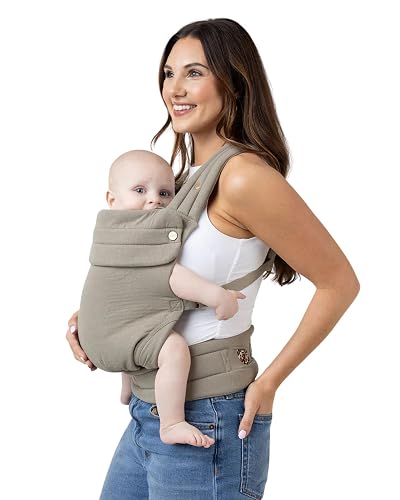
If you are searching for a konny baby carrier Singapore parents can easily get hold of, the choice usually comes down to two things: how long you plan to wear your baby each day and how much you need the carrier to adapt as your child grows. Konny is best known for soft structured-style carriers with a sturdy waistband and a wide, supportive seat, so it tends to suit parents who want a carrier for regular errands, travel and longer outings. Parents who mainly need something quick to slip on for short trips may prefer a lighter, more minimal option, but for most daily use the Konny line offers a stronger balance of comfort and structure.
This guide compares the main decision points so you can see where each option fits. Specifications below reflect what manufacturers typically state for this category. Always check the current model details on the product page before buying, because sizing ranges and materials can change between releases.
Quick Comparison Table: Konny Carrier vs Common Alternatives
| Criteria | Konny Soft Structured Carrier | Lightweight Mesh Carrier | Wrap-Style Carrier |
|---|---|---|---|
| Typical weight range (manufacturers often list) | Approx. 3.5 kg to 15 kg | Approx. 3.5 kg to 12 kg | Approx. 3.5 kg to 15 kg (varies by fabric) |
| Carry positions | Front inward, front outward (age-dependent), hip carry on many models | Front inward, back carry on some models | Front, hip and back, depending on wrap technique |
| Waist and shoulder support | Padded waistband and shoulder straps, structured back panel | Thinner straps, lighter padding | No buckles; support depends on how the fabric is tied |
| Learning curve | Low to moderate | Low | Moderate to high |
| Best for | Daily wear, errands, travel | Short trips, warm weather | Newborns, close bonding, parents who enjoy fabric techniques |
| Packability | Moderate, folds into a bag | Very compact | Compact when folded |
Comfort and Weight Distribution: Konny Wins for Longer Wear
For comfort, the Konny-style structured carrier has the edge. A padded waistband carries a meaningful share of your child’s weight, which is the main reason parents report less shoulder fatigue after an hour or more. Look for a waistband that wraps your hips rather than sitting on your stomach, and for shoulder straps that sit flat without digging in at the top of the trapezius.
Mesh and lightweight carriers feel cooler in humid weather, which matters in Singapore, but their thinner straps spread weight less efficiently. For a 10 kg toddler on a long walk, that difference is noticeable. Wrap-style carriers can feel excellent when tied correctly, though the comfort depends heavily on your technique and the fabric you choose.
Winner for comfort: Konny soft structured carrier, especially for parents carrying older babies and toddlers for extended periods.
Ease of Use and Learning Curve: Mesh Carrier Wins for Speed
A carrier you can put on in under a minute is more useful than one you never use. Buckle-based carriers like the Konny style are straightforward once you have set the straps to your body size. Most parents find they can secure a baby within a few tries. Set the waistband first, then the shoulder straps, then bring the baby in and adjust the panel so the baby’s chest is close to yours.
Lightweight mesh carriers are the simplest of all. There are fewer adjustment points and less fabric to manage, which makes them good for parents who are carrying a sleeping baby in and out of a car seat. Wrap carriers take the longest to learn and reward practice. If you are new to carrying, read a step-by-step guide such as How to Wear Baby Carrier Safely: A Step-by-Step Guide before your first outing.
Winner for ease of use: Lightweight mesh carrier, with the Konny carrier a close second once you have adjusted it to your body.
Support for Growing Babies: Konny Wins for Range of Ages
Konny-style carriers are designed to take a baby from roughly newborn size through toddlerhood, provided you use the correct insert or seat setting for your child’s weight and length. Manufacturers typically specify minimum weights and torso measurements, and these matter more than the age on the box. A newborn needs a snug seat with the spine supported in a curved position, and a toddler needs space for legs to hang in a natural, wide position.
Mesh carriers often have a narrower age range, so you may outgrow them sooner. Wrap carriers can accommodate newborns very well but become less comfortable for heavier toddlers unless you are experienced with them. If you plan to carry your child for two years or more, the adjustability of a structured carrier generally makes more sense. For a broader look at carrier categories, see Baby Carrier Types: Structured, Wrap, Ring Sling and Backpack.
Always check that the baby’s face stays visible and unobstructed, that the chin is off the chest, and that the hips are in an M-shape with knees at or above the seat. Safe positioning guidance is available from manufacturers and from the Singapore health authorities. Consult a healthcare professional or a certified baby carrier consultant if you have questions about infant hip development or safe positioning.
Winner for growing babies: Konny soft structured carrier, provided you select the correct seat or insert setting.
Heat and Breathability in Singapore: Mesh Carrier Wins
Singapore’s heat and humidity change the equation. A carrier that feels fine in an air-conditioned mall can become uncomfortable outdoors within minutes. Mesh panels and thinner cotton blends allow more air to circulate between you and your baby, and they dry faster after sweating.
Konny-style carriers vary in fabric weight, so check the material list on the product page. Lighter cotton or mesh-blend versions are better suited to the tropics than heavy padded models. Whichever carrier you choose, plan outdoor carrying for early morning or evening when possible, and bring a small towel to wipe the back of your neck and your baby’s back. Breathable clothing for your baby, such as a single layer of cotton, also helps prevent overheating.
Winner for heat: Lightweight mesh carrier, though Konny’s lighter-fabric versions are a reasonable middle ground.
Storage, Washing and Durability: Konny Wins for Long-Term Use
Structured carriers have more parts, including buckles, straps and a padded panel, so they require a little more care. Most manufacturers recommend machine washing on a gentle cycle in a mesh laundry bag and air drying flat. Avoid high heat, which can weaken elastic and affect buckle performance. Check the care label before washing, since some fabrics and inserts have specific instructions.
Mesh carriers are typically easy to wash and fold small, though thinner fabric can show wear sooner with frequent use. Wrap carriers need to be washed carefully to keep their stretch and fit, and some parents keep a dedicated wrap for each child to avoid mixing fabrics.
Winner for durability: Konny soft structured carrier, assuming it is cleaned according to the manufacturer’s instructions.
Which Should You Choose?
- Choose a Konny soft structured carrier if you plan to wear your baby for long walks, errands, travel or several hours a day, and you want a carrier that grows with your child.
- Choose a lightweight mesh carrier if you mostly need quick, short carries, you live in a hot environment and want maximum airflow, or your baby is nearing the upper weight limit of a simpler design.
- Choose a wrap-style carrier if you are carrying a newborn, enjoy learning fabric techniques, and want close skin-to-skin contact during the early months.
- Choose a Konny model with lighter fabric if you want structured support but need a more breathable option for Singapore’s climate.
- Consider a second carrier if you have two very different needs, such as a wrap for newborn bonding and a structured carrier for toddler outings.
If you are carrying a bigger baby or toddler, make sure the carrier’s weight rating and torso sizing match your child. Baby Carrier Too Big? 7 Best Carriers for Petite Parents and Small Babies covers sizing issues that can affect comfort on both sides of the fit range.
Konny Carrier and Alternatives: Where to Find Them
Start with the Konny model that matches your baby’s weight and your planned use, then compare it with the alternatives above. Here are the product types to look at, along with the Amazon listings for each:
For a structured daily carrier, look at the Konny soft structured line: View on Amazon
For a lightweight option suited to warm weather and short carries: View on Amazon
For a versatile carrier with a wide age range: View on Amazon
If you are considering a wrap, see Newborn Baby Wrap Carrier (2026): Which Should You Choose? for a detailed breakdown of fabric and tying options before you buy.
FAQ
Is a konny baby carrier Singapore parents buy suitable for newborns?
Many structured carriers include a newborn insert or a seat setting for smaller babies, but you should check the minimum weight and torso length on the product page. Newborns need their spine supported in a curved position and their airway kept clear at all times. If your baby is under the minimum weight listed, a wrap or a dedicated newborn carrier is usually the safer choice.
How do I know if the Konny carrier fits me?
Adjust the waistband so it sits on your hips, not your natural waist or stomach. The shoulder straps should lie flat without gaps or pressure points. If you have a larger or smaller frame, check the manufacturer’s size guide before buying. A fit that feels slightly loose at first often tightens up once you add your baby and adjust the panel.
Is a Konny carrier comfortable in Singapore’s heat?
Comfort depends on the fabric weight. Lighter cotton or mesh-blend versions breathe better than heavily padded models. Carry outdoors in the early morning or evening when possible, dress your baby in one light layer, and keep a towel handy. Remove the carrier during rest breaks to let your back cool down.
How should I wash my konny baby carrier?
Follow the care label first. Most structured carriers can be machine washed on a gentle cycle in a mesh bag and air dried flat, away from direct heat. Avoid bleach and fabric softener, as these can affect the fabric and any elastic. Wash it regularly, especially after sweaty outings, to keep the fabric fresh.
Can I use a konny baby carrier for a long walk or travel?
Yes, structured carriers are generally well suited to longer walks and travel because the waistband shares weight with your hips. Still, take breaks, check that your baby’s airway is clear, and make sure your baby is not slumped forward in the carrier. If you have a back, hip or shoulder condition, speak with a physiotherapist or doctor before carrying for long periods.
Conclusion
For most Singapore parents looking for a konny baby carrier, a structured Konny-style model is the strongest all-round choice. It offers the best balance of comfort, support and age range for daily errands, travel and longer outings. If heat is your biggest concern, choose a lighter-fabric version or a mesh carrier for short trips. Newborn-focused parents may prefer a wrap during the first few months. Check the weight and size ratings for your baby, practise adjusting the carrier before your first outing, and follow the manufacturer’s safety guidance every time you wear your baby.
Related reading
About Graham Fisher
Graham Fisher is part of our editorial team and reviews and edits our baby gear guides, checking product details against manufacturer specifications and owner feedback.









Write Your Review
No reviews yet. Be the first to share your experience!