By Graham Fisher
Updated November 2026
A bush baby carrier rain cover keeps your baby dry, warm and protected from wind when you are out in wet weather. This guide walks you through checking fit, choosing the right coverage and using the cover without trapping heat. By the end, you will know how to pick a cover that works with your carrier and your climate.
Step 1: Confirm the Cover Matches Your Carrier Type
Bush baby carriers come in soft-structured, mesh and ring-sling styles, and not every rain cover fits every design. Check the carrier’s manufacturer guidance for approved accessories before you buy. A cover designed for one wearing style may not sit correctly on another, and a loose cover can shift onto your baby’s face.
Shopping for one? See our guide: 6 Best Rain Covers for Baby Bjorn Carrier Compared (2026).
Step 2: Check the Coverage Area and Opening Design
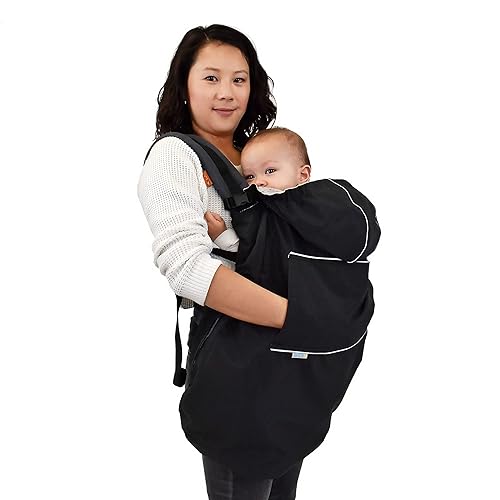
Look for a cover that extends from the top of the carrier down to at least your baby’s hips, with side panels that tuck under the carrier straps. Front openings with a drawstring or elastic edge seal better than open-bottom designs. Make sure the opening lets you see your baby’s face at a glance and does not press on their nose or mouth.
Step 3: Evaluate Ventilation and Material
Waterproof fabric blocks rain but also traps warmth and moisture. Many owners report that covers with a mesh panel near the face or a breathable side vent stay more comfortable on warmer, drizzly days. In cold rain, a fully sealed cover with a fleece liner may suit you better. Pick the option that matches your local conditions.
Step 4: Test the Fit Before You Go Outside
Put your baby in the carrier, add the cover, and walk around indoors for several minutes. Check these points:
- Your baby’s airway stays clear and visible from the front.
- The cover does not push your baby’s chin toward their chest.
- You can reach the carrier’s buckles and pockets without removing the cover.
- Straps and the cover do not pinch your shoulders or back.
Recommended Gear
A simple checklist helps you match the right cover to the right conditions:
- Carrier model and manufacturer’s accessory guidance
- Your typical weather: rain only, cold rain or wind
- Coverage length down to the hips
- Ventilation option: mesh panel or breathable vent
- Opening style that keeps your baby’s face clear
Common Mistakes
- Buying a cover without confirming it fits your specific carrier.
- Leaving the cover on in warm weather, which can cause overheating.
- Pulling the cover so tight that it presses on your baby’s face.
- Skipping an indoor fit test before a long walk.
- Forgetting to check the cover regularly for tears or loose seams.
Bush Baby Carrier Rain Cover FAQ
Will a rain cover fit any bush baby carrier?
Not always. Check the carrier maker’s accessory list, since sizing and attachment points vary by model and style.
Is it safe to keep my baby covered in the rain?
A cover should never block your baby’s airflow or view of their face. If you are unsure about safe use for your baby’s age or health, consult your pediatrician.
How do I keep my baby from overheating under the cover?
Choose a breathable or mesh-ventilated design for warmer weather, and check your baby’s temperature by touching the back of their neck regularly.
Conclusion
A well-fitted bush baby carrier rain cover keeps your baby dry without compromising breathing or comfort. Confirm compatibility with your carrier, check coverage and ventilation, and always run an indoor fit test. Taking these steps helps you enjoy wet-weather walks with confidence.
Related reading
- 7 Best Baby Backpack Carrier Rain Covers for Wet-Weather Hiking (2026)
- UV Cover for Baby Carrier Review: Features and Performance
- Rain Poncho Baby Carrier Guide: 6 Steps to Stay Dry Outdoors
- Ergo Baby Carrier Guarantee: What It Covers and How to Use It
Ready to choose one?
About Graham Fisher
Graham Fisher is part of our editorial team and reviews and edits our baby gear guides, checking product details against manufacturer specifications and owner feedback.