By Graham Fisher
Updated November 2026
Finding the best strongest baby carrier comes down to matching a carrier’s weight limit, structure, and support design to the child and parent who will use it. Many buyers focus only on the maximum weight printed on the box, but a carrier that stays comfortable as a child grows, distributes weight across the hips and back, and holds its shape over months of use is usually the more practical choice. The six carriers below were selected through specification review, brand reputation, and patterns in owner feedback. We did not test them ourselves. Our criteria were: manufacturer-stated weight range, structural support (padded waist belts, lumbar or hip support), fabric and buckle durability, number of carry positions, and how well each design suits different body sizes.
Our top picks at a glance
- 1
 TOP CHOICEBest overallInfantino Flip Luxe 4-in-1 Baby CarrierView on Amazon
- 2
 TOP CHOICEBest for newborn-to-toddler rangeMabē Monarch Ergonomic Baby CarrierView on Amazon
- 3
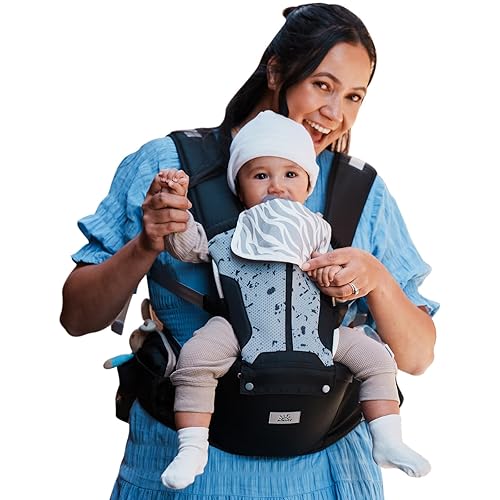 TOP CHOICEBest for plus-size parentsMOMTORY 6-in-1 Baby CarrierView on Amazon
- 4
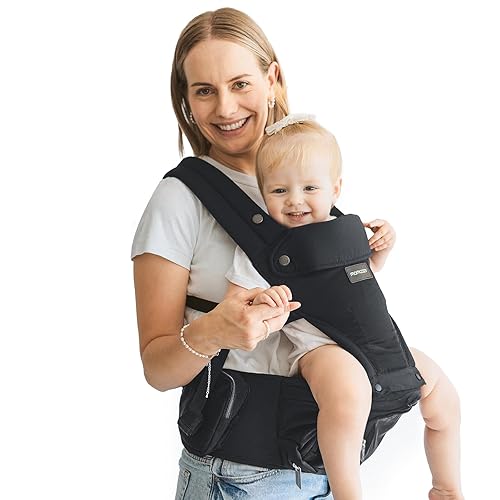 Best for long walksMomcozy 2-in-1 Hip Seat CarrierView on Amazon
- 5
 Best budget pickTushbaby Original Hip Seat CarrierView on Amazon
- 6
 Best for newborn comfortGROWNSY Newborn Baby CarrierView on Amazon
Our Top Picks
| Product | Best for | Key feature |
|---|---|---|
| Infantino Flip Luxe 4-in-1 Baby Carrier | Overall strength and wide weight range | Rated for 7–35 lbs with four carry modes |
| Mabē Monarch Ergonomic Baby Carrier | Newborn through toddler use | Rated for 9–46 lbs with three carry positions |
| MOMTORY 6-in-1 Baby Carrier | Plus-size parents | Rated for 7–50 lbs with six carry positions |
| Momcozy 2-in-1 Hip Seat Carrier | Long walks and outdoor use | Forward-facing hands-free carry, rated for 7–44 lbs |
| Tushbaby Original Hip Seat Carrier | Budget-conscious buyers with older toddlers | Hip seat design rated for up to 45 lbs |
| GROWNSY Newborn Baby Carrier | Newborn comfort and soft fabric | Foldable head support and OEKO-TEX certified fabric |
Infantino Flip Luxe 4-in-1 Baby Carrier
Keeps baby close from 7-35 lbs. Premium herringbone fabric. Four carry modes. M-position lumbar support Infantino Flip Luxe 4-in-1 Baby Carrier Ergonomic 7-35 lbs, Onyx
Best for: Parents who want one carrier that handles a wide weight range with a sturdy, supportive structure
This carrier suits families who expect to use one carrier from early infancy through the toddler stage. Its four carry modes give flexibility as the child grows, and the design is built around keeping the load close to the parent’s center of gravity.
Key specs:
- Weight range: 7–35 lbs (per product listing)
- Four carry modes
- Premium herringbone fabric
- M-position lumbar support design
Pros:
- Wide weight range covers most of early childhood
- Multiple carry modes support different stages
- Lumbar support helps distribute weight away from the lower back
Cons:
- The 35 lb limit is lower than some toddler-focused carriers
- Four modes mean a slightly longer learning curve for first-time users
Bottom line: A strong choice for parents who want one carrier to last from infancy to a heavier toddler without switching products.
Mabē Monarch Ergonomic Baby Carrier
Mabē Monarch Ergonomic Baby Carrier – Premium Cotton Soft Structured Newborn to Toddler Carrier with Hip-Healthy Design, 3 Carry Positions (9-46 lbs), Lightweight & Breathable, (Houndstooth)
Best for: Families who want a single soft structured carrier from newborn to toddler
This carrier is aimed at parents planning to use one carrier across the full infant and toddler range. Its hip-healthy design is intended to keep the child’s legs in a supported, spread position.
Key specs:
- Weight range: 9–46 lbs (per product listing)
- Three carry positions
- Premium cotton construction
- Lightweight, breathable design
Pros:
- High weight limit for a soft structured carrier
- Breathable cotton suits warmer months
- Hip-healthy design is a common priority for buyers
Cons:
- Only three carry positions offers less variety than multi-mode carriers
- Cotton may feel less structured than some padded designs for heavier loads
Bottom line: Good for parents who want a high weight limit and breathable fabric in a soft structured carrier.
MOMTORY 6-in-1 Baby Carrier
Plus Size Friendly, 6 Carry Positions, Ergonomic Hip Support, Cozy Baby Carrier with Hipseat for 7-50lbs, All Seasons MOMTORY Safety-Certified 6-in-1 Baby Carrier Newborn to Toddler, Black
Best for: Plus-size parents and families who need extra waist room and hip support
This carrier is designed with a wider hipseat and six carry positions, making it a practical option for parents with larger waist measurements. Owners often report that the extended belt length makes fitting easier.
Key specs:
- Weight range: 7–50 lbs (per product listing)
- Six carry positions
- Ergonomic hip support with hipseat
- Safety-certified design
Pros:
- Six carry positions offer flexibility
- Designed with plus-size fit in mind
- High weight limit for a hipseat-style carrier
Cons:
- Larger structure can feel bulky for smaller frames
- Many carry options may take practice to master
Bottom line: A strong option for plus-size parents who want a high weight limit and more carry positions than most carriers offer.
Momcozy 2-in-1 Hip Seat Carrier
Momcozy Baby Carrier with Hip Seat, 2-in-1 Forward-Facing Carry for Long Walks, Detachable Hands-Free Infant Carrier 7-44lbs, All Seasons Toddler Carrier Fits Waist Sizes up to 45 Inches, Black
Best for: Parents who plan long walks, outdoor outings, or frequent forward-facing carries
This hip seat carrier combines a forward-facing carry with a detachable hands-free design. It suits families who spend time walking, shopping, or traveling with an older infant or toddler.
Key specs:
- Weight range: 7–44 lbs (per product listing)
- 2-in-1 forward-facing carry
- Detachable hands-free design
- Fits waist sizes up to 45 inches (per product listing)
Pros:
- Waist size range accommodates many adult body types
- Detachable design adds versatility
- Good fit for outdoor and active use
Cons:
- Hip seat designs put more load on the parent’s hips than full torso carriers
- The 44 lb limit is below some competing carriers
Bottom line: A practical choice for active parents who prioritize forward-facing carries and hands-free use on walks.
Tushbaby Original Hip Seat Carrier
Tushbaby Original Hip Seat Baby Carrier for Babies & Toddlers up to 45 lbs, Safety Certified, Lightweight No-Foam Design with Storage, Grey
Best for: Budget-conscious parents carrying older infants and toddlers
This hip seat carrier is a long-standing design in the hip seat category, and owners often describe it as simple to put on and remove. It works well for short carries and quick transitions.
Key specs:
- Weight range: up to 45 lbs (per product listing)
- Lightweight, no-foam design
- Built-in storage pocket
- Safety-certified design
Pros:
- Lightweight and easy to store
- Simple, quick-release design
- Good option for older toddlers
Cons:
- Not designed for newborns, so it cannot be the only carrier from birth
- Hip seat design offers less torso support than full structured carriers
Bottom line: A sensible pick for parents who want a lightweight hip seat for older toddlers and do not need newborn support.
GROWNSY Newborn Baby Carrier
Wrap-Like Comfort, Soft Breathable Fabric, Foldable Head Support, Reduced Shoulder Pressure, OEKO-TEX Certified GROWNSY Newborn Baby Carrier, Ergonomic, Cozy Infant Carrier, Cream
Best for: Parents focused on newborn comfort and soft, wrap-like fabric
This carrier is designed to feel closer to a wrap while still offering a structured fit. Owners often note the foldable head support and soft breathable fabric as priorities for the early months.
Key specs:
- Soft, breathable fabric
- Foldable head support
- Reduced shoulder pressure design
- OEKO-TEX certified fabric (per product listing)
Pros:
- Head support suits newborns
- Soft fabric is comfortable against skin
- OEKO-TEX certification addresses harmful substance concerns
Cons:
- Likely best suited to the early months, not heavier toddlers
- Wrap-like designs can take longer to adjust than buckle carriers
Bottom line: A good fit for parents who want a soft, newborn-focused carrier and plan to add a heavier-duty carrier later.
Buying Guide
Weight Limit and Age Range
The manufacturer-stated weight limit is the most important number to check. Carriers listed for 7–35 lbs will serve most infants but may be outgrown by an active toddler, while carriers rated to 45 or 50 lbs cover a longer period. Check whether the minimum weight also matches your child, since some carriers are not designed for newborns.
Good picks for this: Infantino Flip Luxe 4-in-1 Baby Carrier, Mabē Monarch Ergonomic Baby Carrier
Structural Support and Load Distribution
Look for padded waist belts, lumbar support, and hip-healthy leg positioning. A well-designed carrier spreads weight across the hips and back rather than concentrating it on the shoulders. Owners of heavier children often report that a wide, padded belt makes the biggest difference in comfort.
Good picks for this: MOMTORY 6-in-1 Baby Carrier, Infantino Flip Luxe 4-in-1 Baby Carrier
Size and Fit for the Parent
Waist range and torso length determine whether a carrier fits securely. Some manufacturers list waist sizes; check that your measurement falls within the stated range. Plus-size parents should look for extended belts and hipseats designed for larger body types, and should measure before buying.
Good picks for this: MOMTORY 6-in-1 Baby Carrier, Momcozy 2-in-1 Hip Seat Carrier
Carry Positions and Flexibility
More carry positions offer more options as your child grows, from front-facing newborn carries to hip and back carries for toddlers. Forward-facing carries suit older infants who enjoy looking out, while inward-facing positions are generally recommended for younger babies. Check the carrier’s guidance on which positions suit which age.
Good picks for this: MOMTORY 6-in-1 Baby Carrier, Infantino Flip Luxe 4-in-1 Baby Carrier
Fabric and Breathability
Cotton and mesh blends breathe better in warm weather, while heavier fabrics can feel hot after long periods of wear. Certifications such as OEKO-TEX indicate the fabric has been tested for certain harmful substances, which some parents prioritize for newborn-use products.
Good picks for this: Mabē Monarch Ergonomic Baby Carrier, GROWNSY Newborn Baby Carrier
Durability and Build Quality
Check stitching at stress points, buckle quality, and the thickness of webbing. Carriers used daily for months face repeated loading, so reinforced seams and metal or high-grade plastic buckles matter. Owners often report that quality seams hold up better than the fabric itself.
Good picks for this: Infantino Flip Luxe 4-in-1 Baby Carrier, MOMTORY 6-in-1 Baby Carrier
Care and Washing
Check whether the fabric is machine washable and whether the removable parts can be cleaned separately. Carriers that come apart for washing are easier to keep clean, which matters for daily use. Follow the manufacturer’s care label to avoid damaging padding or elastic.
Good picks for this: Tushbaby Original Hip Seat Carrier, Momcozy 2-in-1 Hip Seat Carrier
FAQ
What is the strongest type of baby carrier?
Strength in this context refers to the weight limit and structural support. Carriers with padded waist belts, lumbar support, and high manufacturer-stated weight limits, such as those rated to 45 or 50 lbs, generally handle heavier children more comfortably. Always confirm the limit in the product specifications.
Can I use a baby carrier from birth?
Some carriers are designed for newborns with head support and inward-facing positions, while others, such as many hip seat carriers, are for older infants and toddlers. Check the minimum weight and age in the manufacturer’s guidance. If you have questions about newborn positioning, consult your pediatrician.
How do I know if a carrier is safe?
Look for clear instructions, a stated weight range, and any safety certification listed by the manufacturer. Follow the carrier’s guidance on airway clearance, keeping the baby’s face visible and chin off the chest. For specific safety questions, consult a pediatrician or a certified child passenger or carrier safety professional.
Do hip seat carriers work for heavier toddlers?
Many hip seat carriers are rated up to around 44–45 lbs, which covers many toddlers. However, hip seats place more load on the parent’s hips and offer less torso support than structured carriers. Check the rated limit and your own comfort before using one for longer periods.
Are plus-size carriers really different?
Some carriers offer extended waist belts, wider hipseats, and longer straps to fit larger body sizes. Measure your waist and torso before buying and compare them with the manufacturer’s stated size range.
How often should I check my carrier for wear?
Inspect straps, buckles, and stitching regularly, especially at stress points. Replace or stop using any carrier with frayed webbing, damaged buckles, or loose seams. If you notice wear, contact the manufacturer for guidance.
Is it safe to use a carrier for long walks?
Forward-facing and hip seat carriers are often used for walks, but longer use can cause fatigue for the parent. Take breaks, check the child’s position regularly, and make sure the carrier stays snug. If you have back or hip concerns, consult a physical therapist or your doctor before long carries.
Conclusion
The best strongest baby carrier for most families is one that matches the child’s age, the parent’s body size, and the type of use. For a wide weight range with lumbar support, the Infantino Flip Luxe 4-in-1 Baby Carrier is a strong all-around choice. Parents who want a high weight limit in a soft structured design may prefer the Mabē Monarch. Plus-size parents should look at the MOMTORY 6-in-1 Baby Carrier, while active families who walk often may find the Momcozy 2-in-1 Hip Seat Carrier practical. Budget-minded buyers with older toddlers can consider the Tushbaby hip seat, and parents focused on newborn comfort may choose the GROWNSY carrier. Compare weight ranges, measure your waist, and check the manufacturer’s guidance before you buy.
For more on specific brands and models, see Which Tula Baby Carrier Is Best? 6 Top Picks Compared (2026), Manduca Baby Carrier vs Tula: Which Fits Your Baby and Body Best?, and Top Baby Carrier Backpacks: 6 Best Picks Compared (2026).
Sources
- Consumer product safety guidance and recall information for infant products (cpsc.gov)
- Pediatric recommendations on infant positioning and safe baby carrying (aap.org)
- Background on the OEKO-TEX standard for textiles
Related reading
- Best Baby Carriers: 5 Soft Structured Carriers Compared
- 5 Best Baby Carriers for Narrow Shoulders: Picks Compared (2026)
- When to Buy a Baby Carrier: 5 Best Picks for Every Need (2026)
About Graham Fisher
Graham Fisher is part of our editorial team and reviews and edits our baby gear guides, checking product details against manufacturer specifications and owner feedback.