By Graham Fisher
Updated November 2026
A mission critical baby carrier review should answer three questions: how the carrier fits your body, which carry positions it supports, and whether it suits your baby’s age and weight range. This guide walks through each of those checks so you can judge the carrier against your own car, lifestyle and daily routine. Use the spec sheet and fit steps below before you decide.
What the Carrier Is Built For
Mission critical is a brand name associated with structured soft carriers, and the model you find may differ in padding, strap width and buckle style. Start by confirming which version you are looking at. Manufacturers list the rated weight range, the minimum baby age for front and back carry, and the maximum torso or waist size for the wearer. Write those numbers down before you compare any other feature.
Shopping for one? See our guide: Mission Critical Baby Carrier Twins: 6 Best Picks for Double Wear (2026).
Next, check the carry positions the model supports. Most structured carriers offer front inward-facing, front outward-facing (where the manufacturer permits it) and back carry. Some models also allow hip carry for older toddlers. If you plan to use the carrier mainly for walks or errands, focus on front and back positions. If you expect to carry a heavier child on your hip, confirm that the model lists hip carry in its instructions.
Check Fit Before You Buy
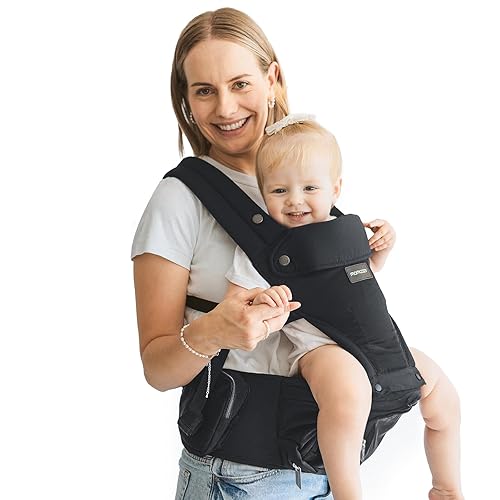
Fit decides whether a carrier is comfortable or painful. Use this sequence to test it:
- Measure your waist and chest. Compare those numbers to the manufacturer’s size chart, not to the size labels alone.
- Look at the waist belt. It should sit on your hip bones, not your natural waist, and the padding should cover the full width of the belt.
- Check the shoulder straps. They should sit flat on your shoulders without digging in. Adjust the height so the top edge sits near the base of your neck.
- Confirm the seat width. The fabric should reach from one knee crease to the other, with the baby’s knees slightly higher than the bottom.
- Test the buckles. They should release with one hand and lock with a firm click.
Many owners report that a carrier fits well on the first wear only after two or three adjustments. Plan to spend ten minutes adjusting it with your baby inside before you walk any distance.
Safe Positioning and Infant Support
For newborns and young infants, the baby’s airway must stay open and visible at all times. The chin should not rest on the chest, and the baby’s spine should stay in a natural curve. Manufacturers usually include a newborn insert or a higher-seat setting for this purpose, so use it when the instructions call for it. Check on your baby every few minutes during the first few weeks, and keep the carrier snug so the baby does not slump down inside it.
Hip development is also a concern. Carriers that let the knees rise above the bottom support healthy hip positioning, and the child’s legs should spread around your body rather than hang straight down. If your baby has a known hip condition or you are unsure about positioning, consult a pediatrician or a certified baby-wearing consultant before you rely on the carrier daily.
Comparing This Carrier to Other Models
Use a short table to line up the features that matter most to you. Fill it in from the manufacturer’s spec sheet for each model you are considering.
| Factor | What to look for |
|---|---|
| Weight range | Matches your baby’s current and expected weight |
| Carry positions | Front, back and hip carry if you need them |
| Wearer size | Waist and chest measurements inside the listed range |
| Padding | Thick waist belt and shoulder straps for longer walks |
| Cleaning | Machine-washable fabric and removable parts |
If you are comparing a wider range of structured carriers, read Tula Ergonomic Baby Carrier Review: Key Features Explained for a look at a different fit system, and Mamas and Papas Classic Baby Carrier Review: Fit, Safety and Pros and Cons for another structured option with a similar layout.
Common Mistakes
- Buying by age alone. Check the weight limit and your own measurements first.
- Skipping the newborn insert when the instructions call for it.
- Tightening the shoulder straps without adjusting the waist belt, which shifts weight onto your back.
- Wearing the carrier with the baby facing out before the manufacturer approves that position for your baby’s age.
- Ignoring the wash label, which can shorten the life of padding and straps.
Recommended gear
A small set of accessories can make a structured carrier easier to use every day. A simple hand-held mirror helps you check the baby’s face and airway without twisting. A lightweight sun cover keeps the baby shaded during outdoor walks, and a spare bib or burp cloth protects the carrier fabric from spit-up.
- A hand-held baby mirror for checking the baby’s face while in front carry. View on Amazon
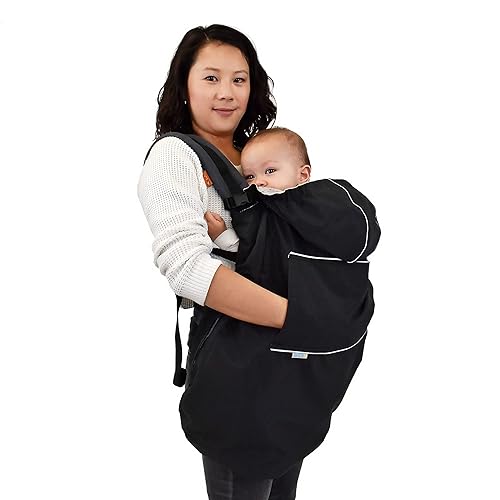
- A removable carrier sun cover to shade the baby’s head and face outdoors. View on Amazon
- Washable carrier bibs that protect the shoulder straps from drool and spit-up. View on Amazon
FAQ
Is this carrier suitable for newborns?
Many structured carriers are made for babies from a set minimum weight or age, often with a newborn insert. Check the manufacturer’s listed minimum, and use the insert if the instructions call for it.
How do I know if the carrier fits me?
Compare your waist and chest measurements to the size chart, then check that the waist belt sits on your hip bones and the shoulder straps lie flat. A carrier that fits well should feel steady without pinching or pulling on your shoulders.
When should I talk to a professional about carrier use?
Talk to your pediatrician before daily use if your baby has a hip condition, breathing concerns or other health questions. A certified baby-wearing consultant can also check your positioning and fit in person.
Conclusion
A good carrier matches your baby’s weight and age, fits your body without strain, and offers the carry positions you actually plan to use. Work through the size chart, fit steps and safety checks before you commit. Once you have tested the fit with your baby inside, you will know whether this model belongs in your daily routine.
Related reading
- Mission Critical Baby Carrier Video: How to Pick the Right Model and Fit (2026)
- Mission Critical Baby Carrier Hip Dysplasia: Safe Positions and Fit Tips (2026)
- 6 Best Used Mission Critical Baby Carriers for Dads and Hands-Free Carry (2026)
- Wompat Baby Carrier Reviews: What to Know Before You Buy
- Weego Twin Baby Carrier Reviews: What to Know Before You Buy
Ready to choose one?
About Graham Fisher
Graham Fisher is part of our editorial team and reviews and edits our baby gear guides, checking product details against manufacturer specifications and owner feedback.