By Graham Fisher
Updated November 2026
A mission critical baby carrier video can show you how a carrier is buckled, adjusted and positioned far more clearly than a product photo. This guide explains what to look for in a video, how to use it to judge fit and setup, and what to check before you put your baby in the carrier. By the end, you will know how to match a carrier to your body and your baby’s age.
What a Useful Video Should Show
Not every demonstration is equally helpful. The best videos show the full process from start to finish, with the camera angled so you can see the buckles, straps and panel placement. Look for a video that covers the following:
Shopping for one? See our guide: Mission Critical Baby Carrier Twins: 6 Best Picks for Double Wear (2026).
- Putting the carrier on and taking it off, including the order of buckles.
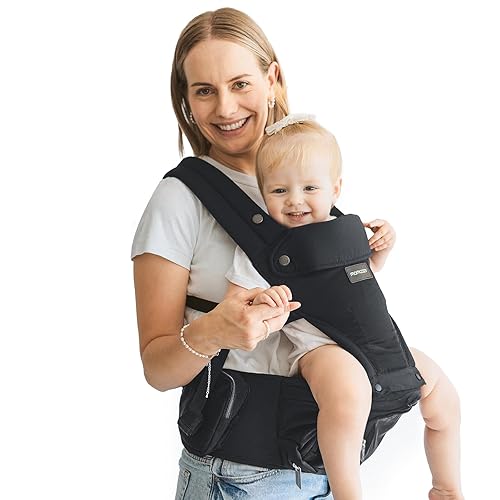
- Front, hip and back carry positions, if the carrier supports them.
- How the seat width adjusts for a newborn versus an older baby.
- How the straps are tightened so the load sits on the hips, not the shoulders.
Videos that only show the carrier sitting on a table tell you very little about comfort or fit.
Step-by-Step: Using a Video to Check Fit
- Note your own measurements first, such as chest circumference and torso length, and compare them to the size range the manufacturer lists.
- Watch the video once without stopping to understand the full sequence.
- Replay the buckling section and pause after each step so you can match the buckle positions on your own carrier.
- Check how the video shows the waist belt sitting: it should rest on your hip bones, not your waist or stomach.
- Look at how the baby is positioned in the seat, with knees roughly at or above the seat bottom and the spine supported in a curved, natural shape.
- Compare the video’s adjustment steps to the instruction booklet that came with your carrier, and follow the manufacturer’s written guidance wherever they differ.
Applying the Video to Your Carrier
Practice With an Empty Carrier First
Before you add your baby, put on the carrier with a weighted object or a doll of similar size. This lets you test the buckles, straps and seat width without the pressure of getting it right with a squirming baby. Check that the carrier sits high enough on your torso that the baby’s face stays clear of your chest.
Check the Baby’s Position After Every Adjustment
Once your baby is in, confirm that their chin is off their chest and their airway is open. Keep their face visible and close enough that you could kiss the top of their head without leaning forward. Recheck this every time you move, sit down or bend over.
Common Mistakes
- Assuming a video shows your exact model. Carriers often differ by version, so confirm the model name shown in the video matches yours.
- Copying a demonstration on a larger or smaller adult body without adjusting the straps to suit your own frame.
- Letting the seat bottom sit too low, which leaves the baby’s legs unsupported.
- Skipping the empty-carrier practice and trying a new setup for the first time with the baby in it.
Recommended Gear
A full-length mirror helps you compare your own buckle placement with what the video shows. A soft tape measure makes it easy to check your chest and torso measurements before you choose a size.
- A soft fabric tape measure for checking your torso and chest measurements against the manufacturer’s size chart. View on Amazon
- A weighted doll or sandbag of about the same weight as your baby, for practicing buckles and seat adjustments before the first real carry. View on Amazon
FAQ
Can a video replace the instruction manual?
No. A video is a helpful visual companion, but the manufacturer’s written instructions and safety warnings should always take priority. Follow the written guidance if the two differ.
How do I know if the carrier fits me well?
The waist belt should rest on your hip bones, the shoulder straps should not dig in, and you should feel most of the weight through your hips. If you feel strain in your lower back or shoulders after a few minutes, readjust or try a different size.
Should I consult a professional before using a carrier?
If you have a back, hip or shoulder condition, or if your baby was born early or has a medical concern, speak with your doctor or a pediatric physical therapist before carrying regularly. They can recommend the position and carrier type that suits you best.
Conclusion
A well-made video can help you understand buckling, fit and baby positioning before you ever put a carrier on. Use it alongside the manufacturer’s instructions, practice with an empty carrier, and check your baby’s airway after every adjustment. Taking these steps will help you carry comfortably and safely.
Related reading
- 6 Best Used Mission Critical Baby Carriers for Dads and Hands-Free Carry (2026)
- Woolworths Baby Carrier Price List: What Each Model Costs (2026)
- Which Tula Baby Carrier Is Best? 6 Top Picks Compared (2026)
- When to Buy a Baby Carrier: 5 Best Picks for Every Need (2026)
- When Can Baby Face Forward in Baby Bjorn Carrier? Age and Safety Guide (2026)
Ready to choose one?
About Graham Fisher
Graham Fisher is part of our editorial team and reviews and edits our baby gear guides, checking product details against manufacturer specifications and owner feedback.