 By Graham Fisher
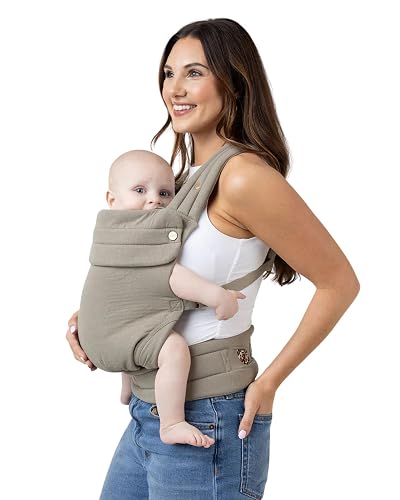
The tushbaby hip seat baby carrier is a compact, waist-based carrier aimed at parents who want to carry a toddler on one hip for short stretches without committing to a full structured carrier. It suits parents of older babies and toddlers, typically once a child can sit upright with good head control, who need to move around a store, park or airport for a while. It is a poor fit for newborns, for long hikes or all-day wear, and for anyone who expects the product to replace a supportive soft structured carrier.
Product Overview
A hip seat carrier is a different category from a soft structured carrier or wrap. Instead of distributing weight across the shoulders and back, it wraps around the carrier’s waist and supports the child’s weight on the hip, with a small seat panel that holds the child’s bottom and thighs. The tushbaby brand has become one of the more recognizable names in this category, and its design follows the standard hip seat formula: a waistband with adjustable closures, a seat panel attached to the belt, and a shoulder strap or support strap in some configurations to take some load off the waist.
Manufacturers generally position the tushbaby as a lightweight, portable option for short carries. Owners often describe it as easy to slip on and off, easy to store in a diaper bag, and useful for transitions like getting out of a car or moving through a crowd. Because it is a hip seat rather than a full carrier, it keeps the child’s legs in a straddle position on the carrier’s hip and does not provide head or neck support beyond what the child already has. We also found Baby Carrier Folding Bike Options: 5 Best Picks Compared (2026) useful on this point.
Before buying, it helps to understand where hip seats sit among carrier types. For a broader comparison, see Baby Carrier Types: Structured, Wrap, Ring Sling and Backpack, which explains how each design distributes load and what age ranges each supports.
Key Features & Specifications
The table below summarizes the characteristics that manufacturers and retailer listings commonly describe. Exact dimensions and weight limits can vary by version and colorway, so check the listing for the specific model you are considering.
| Feature | What to Expect |
|---|---|
| Carrier type | Hip seat (waist-based seat panel) |
| Intended age range | Typically toddlers and older babies who can sit unassisted |
| Closure | Adjustable waistband with buckle or hook-and-loop closure |
| Support | Waistband support; some configurations include a shoulder or support strap |
| Seat position | On one hip, child straddling the carrier’s side |
| Washability | Fabric covers generally removable or spot-cleanable per manufacturer care label |
| Portability | Lightweight, designed to fold or stow in a diaper bag |
Manufacturers usually specify a maximum child weight for hip seats, and this figure is one of the most important numbers to verify before purchase, since toddlers grow quickly and the waistband fit depends on the carrier’s own waist size. Check the stated waist range as well. Hip seats that run small or large in the waistband can shift the child’s weight in ways that feel uncomfortable for the carrier.
Pros & Cons
Pros
- Quick to put on and take off compared with a full structured carrier, which suits short errands and car transitions.
- Lightweight and easy to pack in a diaper bag or tote, according to common owner descriptions.
- Leaves the carrier’s arms and hands free for holding a bag, a phone or another child’s hand.
- Gives a toddler a sense of sitting upright and seeing over the crowd, which many children prefer to being on a parent’s front.
- Useful as a backup or supplement to a main carrier rather than as a sole carrier.
Cons
Performance Analysis
Performance for a hip seat comes down to three questions: how stable the seat feels, how evenly the load is shared, and how long the carrier can wear it before discomfort sets in. Based on the design and on common owner feedback patterns, the tushbaby performs best on short carries of roughly ten to twenty minutes at a time. Owners often describe it as comfortable for quick transfers, a walk through a shopping center or getting from a parking lot to a building entrance.
Stability is driven mainly by how snugly the waistband sits. A waistband that is too loose lets the seat rotate, and the child may lean outward. Manufacturers generally advise tightening the waistband so it sits at the carrier’s natural waist, not on the hips or ribs, and then checking that the seat panel is level before lifting the child. Owners frequently mention that the first few uses take some adjustment before the setup becomes second nature. For a deeper look, Luvlap Baby Carrier Blossom: Fit, Features and Safe Use Guide (2026) covers this in detail.
Load distribution is the main limitation. Because the weight rests on one hip and the waistband, the carrier’s lower back and the hip on the seated side can feel strained after extended use. Many owners report switching sides regularly to reduce fatigue. A shoulder strap, where included, helps by moving a portion of the load upward, but it does not turn a hip seat into a full carrier. For longer outings, a supportive carrier is the more practical choice.
Child comfort is generally reported as good for short periods because the toddler’s legs are straddling the carrier’s hip and the child can see the surroundings. The seat is not designed for sleeping, and the child’s head has no dedicated support. Parents should watch the child’s position throughout the carry and avoid letting the child slump forward or to the side.
Note that the points above reflect product specifications and general owner feedback patterns, not personal testing. If you have questions about your child’s readiness for a hip seat, consult your pediatrician or a certified car seat technician for guidance on age and development.
Who Should Buy This Product?
The tushbaby hip seat carrier makes sense for parents of toddlers who already sit well and who want a grab-and-go option for brief outings. It is a good match for parents who already own a main carrier or stroller and want something lighter for quick trips, for caregivers who need free hands while carrying a child on one side, and for families who spend a lot of time in places where a stroller is inconvenient, such as museums, festivals or busy transit stations. We also found Cheap Tactical Baby Carrier: 5 Best Budget Picks for Dads (2026) useful on this point.
It is a weaker choice for parents of newborns or young infants, for anyone who needs a single carrier for all-day wear or hiking, and for parents with lower back or hip problems who will carry the child for longer stretches. Parents who want full head and neck support or a carrier that works from the front, back and hip should look at a soft structured carrier instead. For that alternative, see Best Baby Carriers: 5 Soft Structured Carriers Compared.
Buying Guide
Start by confirming the child’s age and development. Hip seats are generally intended for children who can sit upright unsupported and who have good head control. Check the manufacturer’s stated age and weight range, and then compare it to your child’s current size. Because toddlers grow quickly, it is worth buying with a little room in the weight range rather than at the upper limit.
Measure your waist before you buy. Hip seat sizing is based on the carrier’s waist, not the child’s size, and a mismatch is the most common reason these carriers feel uncomfortable. Use a soft tape measure at the natural waist, just above the hip bones, and compare it to the waist range listed by the manufacturer. Keep in mind that clothing thickness changes the fit. Worth reading next: Washing Baby Bjorn Carrier One: 5 Best Options for Easy Cleaning (2026).
Look at closure type and adjustment range. Buckles and hook-and-loop closures each have trade-offs. Buckles tend to hold a consistent setting, while hook-and-loop closures are more forgiving across different body shapes and layers of clothing. A wider adjustment range makes it easier to share the carrier between two adults.
Consider the support strap. If the model includes a shoulder or support strap, it can reduce strain on the waist during longer carries. If you expect to carry your child for more than a few minutes at a time, prioritize a model with some form of upper-body support.
Think about how you will use the carrier. If you want a backup for errands, a hip seat is a practical addition. If you need a primary carrier, a soft structured or wrap-style option will usually serve better. Baby Carrier Types: Structured, Wrap, Ring Sling and Backpack outlines the trade-offs of each type in more detail.
For alternatives within the hip seat and related categories, consider these well-known options. Each is sold on Amazon US, and you should compare current specifications before choosing:
- Ergobaby Embrace (a soft structured carrier, not a hip seat): a common choice for newborns and infants, with a different load pattern and age range. View on Amazon
- Infantino Sash Mei Tai (a multi-position carrier with a hip-friendly configuration): offers a more flexible wrap-style option for families who want one carrier across several ages. View on Amazon
- Boba Air (a structured carrier for older babies and toddlers): designed for longer wear than a hip seat and suited to parents who carry the child often. View on Amazon
Whichever product you choose, read the manufacturer’s instructions and follow the fit steps carefully. How to Wear Baby Carrier Safely: A Step-by-Step Guide covers general safety principles that apply to most carrier types.
FAQ
Is the tushbaby hip seat carrier safe for newborns?
Hip seats are generally designed for older babies and toddlers who can sit upright and hold their head steady. Newborns and young infants need the head and neck support provided by a structured carrier or wrap, so a hip seat is not appropriate for them. Check the manufacturer’s stated age range and consult your pediatrician if you are unsure.
How long can I carry a child in a hip seat?
Owners commonly use hip seats for short carries, often in the range of ten to twenty minutes at a time. Longer carries increase strain on the waist and the hip on the seated side. For extended wear, a supportive carrier that spreads weight across the shoulders and back is generally more comfortable. For a deeper look, 5 Best Baby Carriers with Back Support for Parents (2026) covers this in detail.
How do I know what size waistband I need?
Measure your natural waist with a soft tape, just above the hip bones, and compare the result to the waist range in the manufacturer’s listing. Clothing thickness affects the fit, so measure with the layers you usually wear when carrying.
Can two adults share one hip seat?
Many hip seats have an adjustable waistband that can accommodate more than one carrier, but the range varies by model. Check the listed waist range and read the care and sizing instructions before sharing.
Does a hip seat replace a baby carrier?
No. A hip seat is a supplement for short carries and transitions. It does not provide the back, head or shoulder support that a structured carrier or wrap offers, so most families who use a hip seat also keep a primary carrier for longer wear.
How should I clean the tushbaby hip seat?
Follow the care label, which usually specifies whether fabric covers are machine washable or should be spot cleaned. Air drying is generally recommended for fabric components. Avoid harsh chemicals on any part that contacts the child’s skin.
Is a hip seat carrier suitable for a child with special needs or medical conditions?
This depends on the child’s individual needs, strength and any medical considerations. Consult your pediatrician or a physical therapist before using any carrier with a child who has a diagnosed condition or developmental delay. Worth reading next: 6 Best Used Mission Critical Baby Carriers for Dads and Hands-Free Carry (2026).
Final Verdict
The tushbaby hip seat baby carrier is a practical, lightweight option for toddlers who can sit upright and for parents who need free hands during short carries. Its strengths are quick setup, portability and the convenience of carrying a child on one hip during errands and transitions. Its limits are equally clear: it is not suited to newborns, it does not replace a supportive carrier for longer wear, and fit depends heavily on the carrier’s waist size. Buy it as a supplement to a main carrier, verify the age, weight and waist specifications before purchase, and follow the manufacturer’s fit instructions every time. View on Amazon
Related reading
About Graham Fisher
Graham Fisher is part of our editorial team and reviews and edits our baby gear guides, checking product details against manufacturer specifications and owner feedback.









Write Your Review
No reviews yet. Be the first to share your experience!