 By Graham Fisher
Updated November 2026
Knowing when to buy a baby carrier comes down to three things: your baby’s current size and head control, the kind of daily carrying you expect to do, and how long you plan to use the carrier. This guide compares five carriers from different categories, from soft newborn wraps to structured toddler hip seats, so you can match a product to the stage you are actually in. Each pick is judged on the same criteria: stated weight and age range, fit adjustability, how the carrier distributes weight across the wearer’s back and hips, how easily it can be cleaned, and recurring owner feedback about comfort and durability.
Our top picks at a glance
- 1
 TOP CHOICEBest overallInfantino Flip 4-in-1 Baby CarrierView on Amazon
- 2
 TOP CHOICEBest for newbornsGROWNSY Newborn Baby CarrierView on Amazon
- 3
 TOP CHOICEBest for small frames and tight budgetsBabyBjörn Baby Carrier MiniView on Amazon
- 4
 Best for toddlers and hip carryingToddler Hip Seat Baby Sling CarrierView on Amazon
- 5
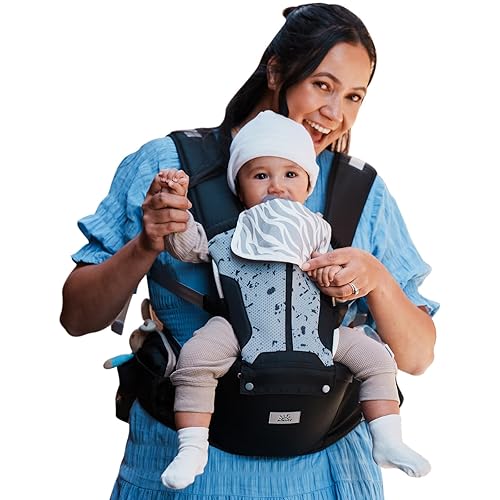 Best for plus-size caregiversMOMTORY 6-in-1 Baby CarrierView on Amazon
Our Top Picks
Quick Comparison
| Product | Best for | Key feature |
|---|---|---|
| Infantino Flip 4-in-1 Baby Carrier | Growing babies from early infancy onward | Adjustable fit for 8–32 lb babies |
| GROWNSY Newborn Baby Carrier | Newborns and young infants | Foldable head support and wrap-style fabric |
| BabyBjörn Baby Carrier Mini | Smaller caregivers and newborn use | Compact, easy-to-adjust 3D jersey design |
| Toddler Hip Seat Baby Sling Carrier | Older babies and toddlers on hips | Anti-slip hip seat, machine washable cotton |
| MOMTORY 6-in-1 Baby Carrier | Plus-size caregivers and long wear | Six carry positions with hip support |
Infantino Flip 4-in-1 Baby Carrier
Grows with baby from 8-32 lbs. Adjustable fit. Ergonomic hands-free carrying for everyday adventures. Registry Gift Infantino Flip 4-in-1 Baby Carrier Convertible Ergonomic, Gray
Best for: Parents who want one carrier that covers most of the first two years
This is a convertible carrier suited to families who would rather buy once than replace the carrier at each developmental stage. It is a practical choice for everyday walks, errands and travel.
Key specs
- Listed weight range: 8–32 lbs
- Adjustable fit for a range of caregiver body sizes
- Ergonomic, hands-free carrying design
Pros
- Covers a wide weight range in a single product
- Adjustable straps help the carrier fit different body types
- Hands-free design suits errands and travel
Cons
- Bulkier than a compact mini carrier when packed
- Newborn fit may require more adjustment than a dedicated newborn product
Bottom line: A strong fit for parents who want one carrier to take their baby from infancy through toddler weights.
GROWNSY Newborn Baby Carrier
Wrap-Like Comfort, Soft Breathable Fabric, Foldable Head Support, Reduced Shoulder Pressure, OEKO-TEX Certified GROWNSY Newborn Baby Carrier, Ergonomic, Cozy Infant Carrier, Cream
Best for: Newborns and very young infants who need soft, supportive positioning
Designed around a wrap-like feel, this carrier suits caregivers who want close contact in the early weeks. It is best reserved for the period before a baby has strong head control.
Key specs
- Soft, breathable fabric
- Foldable head support for newborn positioning
- OEKO-TEX certification listed on the product name
Pros
- Soft fabric that many caregivers find comfortable for long periods
- Head support designed for the newborn stage
- Reduced shoulder pressure is a common owner comment
Cons
- Best used during the newborn window, so it has a shorter overall lifespan
- Wrap-style carriers take practice to tie or position correctly
Bottom line: Ideal for caregivers who want a soft, newborn-focused carrier for the earliest months.
BabyBjörn Baby Carrier Mini
BabyBjörn Baby Carrier Mini, Light Beige, 3D Jersey | Newborn Carrier, Ergonomic, Easy-to-Use
Best for: Smaller-framed caregivers and parents who want a simple, lightweight newborn carrier
The Mini is a compact version of a well-known carrier line. It suits parents who prefer a streamlined design with fewer adjustment points to manage.
Key specs
- Designed for newborn use
- 3D jersey fabric listed on the product name
- Easy-to-use, ergonomic design
Pros
- Lightweight and easy to pack
- Simple buckle system that many owners find quick to use
- Breathable fabric for warmer weather
Cons
- Fits a narrower range of baby sizes than multi-position carriers
- Limited support for larger caregivers or extended wear
Bottom line: A good match for smaller caregivers who need a compact newborn carrier and expect to move to a different style later.
Toddler Hip Seat Baby Sling Carrier
Pure Cotton, Breathable, Lightweight, Machine Washable, Fits All Caregivers, 6M+, for Daily Walks, Travel & Gifts Baby Sling Carrier, Anti-Slip Adjustable Toddler Hip Seat
Best for: Older babies and toddlers who want to ride on the hip during walks and trips
This sling-style hip carrier is built for the later stage, when a baby is able to sit up and wants to see the world. It works well for parents who need to keep a child close without a full structured carrier.
Key specs
- Pure cotton, breathable fabric
- Listed for 6 months and up
- Machine washable and anti-slip adjustable hip seat
Pros
- Machine washable, which simplifies cleaning
- Lightweight and easy to store in a diaper bag
- Hip seat design gives toddlers a view and a place to sit
Cons
- Hip carry places more load on one side of the body over time
- Not suited to newborns or babies without good head and trunk control
Bottom line: Best for parents who want a hip carrier for the 6-month-plus stage and need easy washing.
MOMTORY 6-in-1 Baby Carrier
Plus Size Friendly, 6 Carry Positions, Ergonomic Hip Support, Cozy Baby Carrier with Hipseat for 7-50lbs, All Seasons MOMTORY Safety-Certified 6-in-1 Baby Carrier Newborn to Toddler, Black
Best for: Plus-size caregivers and families who want multiple carry positions in one product
This six-position carrier with a hip seat is aimed at caregivers who need more room in the straps and a carrier that stays comfortable across a wide range of body sizes and baby weights.
Key specs
- Six carry positions
- Listed for 7–50 lbs
- Ergonomic hip support and hip seat
Pros
- Wide weight range from early infancy through toddlerhood
- Multiple carry positions reduce the need for a second carrier
- Hip support is often noted by owners carrying heavier children
Cons
- Multi-position designs take time to learn before they feel natural
- Larger, heavier construction than a minimal newborn wrap
Bottom line: A practical choice for caregivers who want one versatile carrier with extra fit room and a long usable life.
Buying Guide
Your baby’s age and head control
Most carrier manufacturers set a minimum age or weight in their specifications. Newborn-specific carriers usually support the baby in a curled, upright position with head support. Once a baby has steady head control, usually somewhere around four months according to many pediatric resources, a wider range of positions becomes safe. Check the listed minimum weight and age before purchase, and confirm with your pediatrician if you are unsure.
Good picks for this: GROWNSY Newborn Baby Carrier, BabyBjörn Baby Carrier Mini
Weight range and growth
Ask how long you expect to use the carrier. A carrier rated from about 8 to 32 pounds will cover much of the first two years, while a newborn-only carrier may be outgrown within several months. Consider whether you would rather buy one product or two.
Good picks for this: Infantino Flip 4-in-1 Baby Carrier, MOMTORY 6-in-1 Baby Carrier
Fit and caregiver body size
Straps, waist belts and panel width determine how weight is distributed. Look for adjustable shoulder straps and a waist belt that sits on the hips rather than the stomach. Plus-size caregivers should check the maximum waist and chest measurements in the manufacturer’s sizing chart before buying.
Good picks for this: MOMTORY 6-in-1 Baby Carrier, Infantino Flip 4-in-1 Baby Carrier
Carry positions and use case
Think about how you will actually carry. Front-facing, hip, and back carries each suit different tasks. Frequent walks may favor a front carry, while a toddler who wants to see the world may prefer a hip seat. Multi-position carriers reduce the need for multiple products but take longer to master.
Good picks for this: Toddler Hip Seat Baby Sling Carrier, MOMTORY 6-in-1 Baby Carrier
Fabric and breathability
Fabric affects comfort in warm weather. Cotton and breathable mesh-style jersey tend to feel cooler than heavier materials. Certifications such as OEKO-TEX, which relates to harmful substances in textiles, are listed by some manufacturers and can be a useful signal when comparing options.
Good picks for this: GROWNSY Newborn Baby Carrier, BabyBjörn Baby Carrier Mini
Cleaning and care
Babies spit up, drool and leak. Check whether the carrier is machine washable and whether the manufacturer recommends any specific cleaning method. Removable inserts and simple fastenings make routine cleaning less of a chore. Always follow the care label to avoid damaging straps or fabric.
Good picks for this: Toddler Hip Seat Baby Sling Carrier, BabyBjörn Baby Carrier Mini
Safety and proper positioning
Carrier safety depends on correct use. Keep the baby visible and kissable, with the chin off the chest and the back supported in a natural position. Follow the manufacturer’s instructions and any safety guidance from recognized child-safety organizations. If you have questions about your baby’s development or positioning, consult your pediatrician or a certified child passenger or baby-carrier safety professional.
Good picks for this: Infantino Flip 4-in-1 Baby Carrier, GROWNSY Newborn Baby Carrier
FAQ
What is the best age to buy a baby carrier?
Many parents buy a carrier before the baby arrives, since a newborn-appropriate model is needed from the first weeks. If you plan to use a hip carrier or toddler seat, you can wait until the baby is around six months old, when most hip-style products list their minimum age.
Can I use a baby carrier from birth?
Some carriers are designed for newborns and include head support and a curled, upright position. Always check the minimum weight and age on the product, and ask your pediatrician for guidance on your baby’s specific needs.
When should I switch from a newborn carrier to a toddler carrier?
Switch when your baby reaches the upper weight or height limit of the newborn carrier, or when the baby has strong head and trunk control and wants to face outward. Many convertible carriers cover both stages, so a switch may not be necessary.
Do I need a hip carrier if I already have a front carrier?
Not necessarily. A front carrier works well for infants and toddlers in many situations, while a hip carrier is useful when an older baby wants to sit up and see more. Consider how often you carry and for how long before adding a second style.
How long should I wear a baby carrier each day?
There is no universal limit, but most manufacturers recommend taking breaks to rest your back and check the baby’s position. If you experience back, hip or shoulder pain, reduce the time you carry and speak with a physical therapist or doctor.
How do I know if the carrier fits me?
Measure your waist and chest and compare them to the manufacturer’s sizing chart. The waist belt should sit on your hips, and the shoulder straps should not dig in. If possible, try the carrier with a weighted object before a long outing.
Is a used baby carrier safe to buy?
Used carriers can be safe if they are clean, undamaged and within their listed weight range. Inspect stitching, buckles and fabric closely, and avoid any product with recall notices or visible wear on load-bearing parts.
Conclusion
The right time to buy a baby carrier depends on your baby’s age and head control, the weight range you need, and how you plan to carry. For a single carrier that grows with your child, the Infantino Flip 4-in-1 Baby Carrier is a practical starting point. For the newborn stage, the GROWNSY Newborn Baby Carrier and BabyBjörn Baby Carrier Mini cover soft, compact options. For older babies who want to ride on the hip, the Toddler Hip Seat Baby Sling Carrier is a good fit, and the MOMTORY 6-in-1 Baby Carrier suits caregivers who need extra fit room and multiple positions. Check each listing’s stated limits against your baby’s current size before you buy.
Sources
- Consumer safety guidance and product recall information for infant carriers (cpsc.gov)
- Pediatric advice on infant development, carrier use and safe positioning (healthychildren.org)
- Background on the OEKO-TEX textile certification referenced on some carrier listings
Related reading
- R for Rabbit Ergonomic Baby Carrier Reviews: What to Know Before You Buy
- Ergo Baby Carrier Black Friday Sale: How to Spot Real Deals and Buy Smart
- Baby Hip Carrier Canada: 7 Things to Check Before You Buy (2026)
- Baby Carrier Backpack Canada: 7 Things to Check Before You Buy (2026)
- 7 Best Where Can I Buy a Lightweight Baby Wrap Carriers with Independently Tested Safety Features and Clear Weight Limits? (2026): Our Picks
- 4 Best Infantino Carrier Buy Buy Baby Picks for Every Need (2026)
About Graham Fisher
Graham Fisher is part of our editorial team and reviews and edits our baby gear guides, checking product details against manufacturer specifications and owner feedback.









Write Your Review
No reviews yet. Be the first to share your experience!