By Graham Fisher
Finding a car seat that fits safely in a compact vehicle can feel like a puzzle. The American Academy of Pediatrics (AAP) stresses that no single seat is the “best” or “safest”; the right seat is one that fits your child’s size, installs correctly, and fits well in your vehicle. The National Highway Traffic Safety Administration (NHTSA) similarly recommends choosing a seat that fits in your car and using it every time. For small cars, the seat type, installation method, and seating position all matter.
How Car Seat Types Affect Space in a Small Car
Different car seat categories take up different amounts of room. The AAP groups seats into rear-facing-only, convertible, all-in-one, combination, and booster types. Knowing these categories helps you see which seats are built to stay in the car and which the AAP flags as larger.
| Car Seat Type | Typical Age and Size Range | Space Considerations for Small Cars |
|---|---|---|
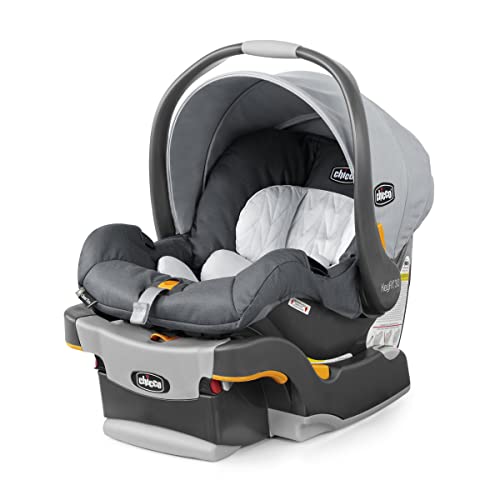
| Rear-facing-only (infant seat) | Infants up to 22 to 35 pounds and 26 to 35 inches, depending on the model (AAP). | Small and lightweight with a carrying handle; the base stays in the car and the seat clicks out, freeing up space when not in use (AAP). |
| Convertible (rear-facing) | Rear-facing for infants and toddlers, then forward-facing; rear-facing weight limits often up to 40 to 50 pounds (AAP). | Bulkier than infant seats, with no carrying handle or separate base; designed to stay in the car (AAP). |
| All-in-one (rear-facing) | Rear-facing, forward-facing, and belt-positioning booster; rear-facing weight limits often up to 40 to 50 pounds (AAP). | Often bigger in size; the AAP says to check that it fits in the vehicle while rear-facing. |
| Combination (forward-facing harness) | Forward-facing with a harness for children up to 40 to 65 pounds, then converts to a booster (AAP). | Always verify fit in your vehicle; no specific size note from the AAP. |
| Belt-positioning booster | Used after a child outgrows the forward-facing harness, until the vehicle seat belt fits properly, typically when the child reaches 4 feet 9 inches and is 8 to 12 years old (AAP). | Backless boosters are easier to move between vehicles but should be used only where the vehicle has headrests and high seat backs; otherwise use a high-back booster (AAP). |
For a deeper look at how these seats differ, see our guide to infant vs convertible vs all-in-one car seats.
Installation Basics That Affect Fit
How you secure the seat can influence whether it fits tightly in a small back seat. The AAP explains that car seats can be installed with either the vehicle’s seat belt or the LATCH system (lower anchors and tethers for children). Both methods are equally safe, and caregivers should use one or the other (not both) unless the car seat and vehicle manufacturers specifically allow it.
The middle seating position is a common sticking point. The AAP notes that many vehicles do not have lower anchors for the middle seat, and a narrow or uneven center seat can make a tight installation difficult. The AAP says it is safest to put the seat in a position where you can install it tightly with either the lower anchors or the seat belt, and in some cases that is on either side of the back seat rather than in the middle. A certified child passenger safety technician (CPST) can help you decide which spot works best.
When using the seat belt, you must lock it to hold the seat firmly. Most newer cars let you pull the belt all the way out to engage the locking mechanism, and many car seats have built-in lock-offs. The AAP advises checking the vehicle owner’s manual for details. Also, all forward-facing seats should use the top tether whenever possible; tether anchors are located on the panel behind the seat in sedans, or on the back of the seat, the ceiling, or the floor in most minivans, SUVs, hatchbacks, and pickup trucks.
Rear-Facing Seats in a Small Car
The AAP says all infants and toddlers should ride rear-facing as long as possible, until they reach the highest weight or height allowed by the seat’s manufacturer. NHTSA says a child under age 1 should always ride in a rear-facing car seat, and that a child should stay rear-facing until reaching the top height or weight limit allowed by the seat’s manufacturer.
A rear-facing seat must sit at the correct recline angle. All rear-facing seats have built-in recline indicators; check the instructions to find the right angle and how to adjust it. The AAP also recommends checking both the car seat manual and the vehicle owner’s manual to see whether the car seat is allowed to touch the back of the front seat. Some manufacturers permit contact, others do not.
Parents often worry when a rear-facing child’s feet touch the vehicle seat back. The AAP says this should cause no worry: children are very flexible and can easily find a comfortable position, and leg injuries are very rare for rear-facing children. Never place a rear-facing seat in the front seat of a vehicle with an active front passenger airbag; the AAP warns that an inflating airbag would hit the back of the seat, right against the child’s head, and could cause serious injury or death.
Forward-Facing and Booster Seats in Tight Quarters
Once a child outgrows the rear-facing limits, a forward-facing seat with a harness and tether is the next step. The AAP says children should stay in a harnessed seat as long as possible, at least to age 4. The vehicle owner’s manual shows where the tether anchors are.
When the child exceeds the forward-facing harness limits, a booster seat raises them so the vehicle’s lap and shoulder belt fit correctly. The AAP describes two standard types: high-back and backless. Backless boosters are usually less expensive and easier to move between vehicles, and can be used safely in vehicles with headrests and high seat backs. In vehicles without headrests or with low seat backs, the AAP says to use a high-back booster. Our booster seat guide covers the differences in more detail.
No matter which forward-facing or booster seat you use, the AAP advises against extra products unless they came with the seat or are specifically approved by the seat manufacturer, noting that such products are not covered by any federal safety standards. For more on what to avoid, see our article on car seat accessories and safety.
Getting Help and Trying Before You Buy
The AAP encourages all caregivers, especially expectant parents, to work with a certified child passenger safety technician before the baby is born. A CPST can demonstrate how to install the seat in your specific vehicle and help you evaluate whether a seat fits well. The AAP lists websites, including the National Child Passenger Safety Certification site, where you can find certified technicians and seat-fitting stations.
If you are shopping for a seat, the AAP advises avoiding used seats if you don’t know the seat’s history. Never use a seat that is too old, has visible cracks, is missing labels or parts, or was in a moderate or severe crash. Check the manufacturer’s label for the date of manufacture and model number, and verify that the seat has not been recalled. Our guide on car seat expiration and recalls explains where to look.
The AAP also says not to decide by price alone, because a higher price does not mean a seat is safer or easier to use. Its shopping guidance comes back to fit: the seat has to fit your child, install correctly, and fit well in your vehicle. For additional space-saving strategies, you may also want to read our overview of baby gear for small spaces.
Frequently asked questions
Can I install a car seat in the middle of a small back seat?
The AAP says the middle of the back seat is the safest place for children under 13 if you can achieve a tight installation. However, in many small cars the middle seat is narrow or uneven, and lower anchors are often not available there. The AAP says it is safest to use a position where you can install the seat tightly, which may be on either side of the back seat. A CPST can help you evaluate your vehicle.
Do all-in-one car seats fit in small cars?
All-in-one seats are often bigger than other types, according to the AAP. The organization recommends checking that the seat fits in your vehicle while it is in the rear-facing position. A CPST can help you check the installation in your own car.
What if my rear-facing car seat touches the front seat?
The AAP advises checking both the car seat instructions and your vehicle owner’s manual. Some manufacturers allow the car seat to touch the back of the front seat, while others do not. Always follow the specific guidance for your seat and car.
For more help choosing a car seat that works in your vehicle, browse our Car Seats category page, where you’ll find guides on seat types, installation, and safety.
Sources
- Car Seats: Information for Families (HealthyChildren.org, AAP)
- Car Seat Recommendations for Children (NHTSA)
About Graham Fisher
Graham Fisher is part of our editorial team and reviews and edits our baby gear guides, checking product details against manufacturer specifications and owner feedback.