By Graham Fisher
Updated November 2026
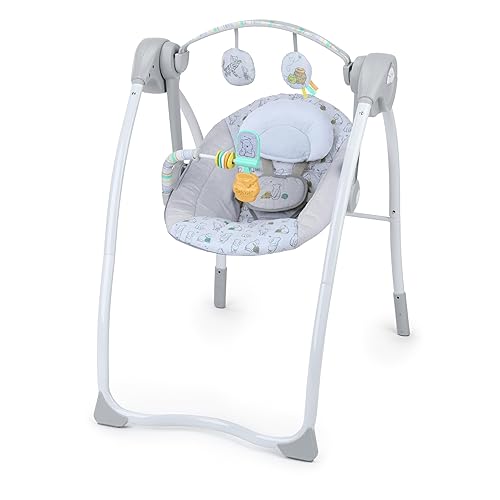
A baby swing making noise is usually caused by something simple: a loose bolt, dry gears, a worn motor belt, or debris caught in the seat mechanism. In most cases you can find the source in under 20 minutes using a systematic check, then fix it with basic tools and a little lubricant. This guide walks you through identifying the noise, matching it to its likely cause, and applying the right fix.
Start by Identifying the Type of Noise
Before you take anything apart, listen closely and note what the sound is like. The character of the noise points toward the cause, and it saves you from guessing.
Shopping for one? See our guide: 5 Best Baby Swings for Infants of 2026: Compared.
- Squeaking or chirping: Usually dry metal-on-metal contact, most often at the swing arms, hinges, or the pivot points of the frame.
- Clicking or ticking: Often a loose part, a fastener that has backed out, or a plastic component rubbing against a metal one.
- Grinding or scraping: Can mean debris in the gears, a cracked gear housing, or a motor mount that has shifted.
- Humming or buzzing: Typically the motor itself, sometimes made louder by a loose mounting or a failing motor.
- Rattling: Loose hardware, a seat that is not fully latched, or a toy bar or accessory that has come unseated.
- Thumping or knocking: Often the swing arms hitting a stop, an unbalanced load, or a seat strap caught on the frame.
Also note when the noise happens. Constant noise regardless of motion points to electrical or motor issues. Noise that only appears during swinging points to the mechanical parts: the arms, pivots, or drive gears.
Tools and Supplies You Will Need
Most fixes require very little. Gather these before you start so you are not stopping midway through:
- The manufacturer’s manual (for the correct screw sizes and disassembly steps)
- A Phillips and flat-head screwdriver set
- An Allen or hex key set if your swing uses hex fasteners
- A soft cloth and a small soft brush (an old toothbrush works)
- Silicone-based lubricant, which is safer around plastic than oil-based products
- Fresh batteries, or a charged power adapter, to test the motor properly
- A flashlight to see into the gear housing and along the arms
Always unplug the swing or remove the batteries before opening any housing or working near the motor.
Step-by-Step: How to Find and Fix the Source
Step 1: Remove the Seat and Check for Obvious Problems
Take the seat and any removable toys or bars off the frame. Look for anything caught in the mechanism, such as a stray strap, a sock, a small toy, or a crumb cluster. Check that the seat is fully latched and that the bassinet or seat attachment points are not cracked.
Step 2: Tighten Every Visible Fastener
Go over the frame with your screwdriver. Vibration from normal swinging can slowly loosen screws, especially at the joints where the arms meet the base. Snug each one gently. Do not overtighten, as this can strip plastic threads or crack housings. Many clicking and rattling problems end right here.
Step 3: Test the Motion Without the Seat
With the seat removed, run the swing on its lowest setting and listen. Then run it on a higher setting. Note whether the sound changes with speed, which often suggests a gear or motor issue, or stays constant, which suggests a loose or dry joint.
Step 4: Lubricate the Moving Joints
If the noise is a squeak and the frame is solid, lubrication is the likely fix. Apply a small amount of silicone lubricant to the pivot points where the swing arms connect to the frame, and to any hinge pins. Work the joint back and forth by hand so the lubricant spreads. Wipe away any excess, since drips can attract dust. Avoid spraying lubricant into the motor housing or onto the seat fabric.
Step 5: Inspect the Drive Mechanism
If the grinding or humming continues, the issue is likely in the drive system. Consult the manual for how to access the motor and gear housing, which usually means removing a cover plate on the underside. Look for:
- Debris or hair caught between gear teeth, which you can remove with a brush and tweezers
- A drive belt or cable that is slack, frayed, or slipping off its pulley
- A motor mount that has shifted, causing the motor to vibrate against the housing
Some manufacturers allow owners to reseat a belt or tighten a motor mount. Others recommend contacting customer support, particularly if gears are cracked or the motor itself appears damaged.
Step 6: Test With Fresh Power
Weak or uneven battery power can cause the motor to strain and produce a buzzing or irregular noise. Install fresh batteries of the type the manual specifies, or plug in a known-good adapter, and test again. If the noise disappears, the batteries or adapter were the problem.
Common Causes at a Glance
Use this table to match your symptom to a likely cause and a first fix. Start with the simplest option.
| Noise | Most Likely Cause | First Fix |
|---|---|---|
| Squeak at the arms | Dry pivot point | Apply silicone lubricant to the joint |
| Click or tick while swinging | Loose screw or fastener | Tighten all visible hardware |
| Rattle | Seat not latched or loose toy bar | Re-seat and latch the seat; check accessories |
| Grinding at low speed | Debris in gears | Open the cover and clean the gear teeth |
| Constant hum | Motor mount loose or weak batteries | Replace batteries; check motor mounting |
| Thump at end of swing arc | Arms hitting a stop or unbalanced load | Check arm clearance; distribute baby’s weight evenly per manual |
| Scraping inside housing | Strap or cable caught in mechanism | Power off and remove the obstruction |
Safety Considerations Before You Work on the Swing
Never open a swing while a baby is in it, and always disconnect power first. Keep small parts such as screws in a labeled cup so none end up in the play area. If you find cracked plastic on the frame, a damaged seat strap, or a motor that overheats or smells of burning, stop using the swing and contact the manufacturer. Structural damage is not something to patch at home. Check the manufacturer’s current safety recommendations, and consult a qualified professional or the manufacturer if you are unsure about any repair.
Recommended gear
Silicone lubricant is the most useful supply for squeaks, since it does not attract dust or damage plastic the way some oils can. View on Amazon
A fresh set of batteries of the specified type removes a common source of motor strain and humming. View on Amazon
A small precision screwdriver kit makes it easier to reach and tighten the tiny fasteners on swing frames and covers. View on Amazon
Tips and Common Mistakes
- Do not over-lubricate. Excess grease or oil collects dust and can drip onto fabric. A small amount on each joint is enough.
- Do not skip the manual. Disassembly steps and screw locations differ by model, and forcing a cover can crack it.
- Do not ignore the noise. A quiet fix today can prevent a motor or gear failure that is more expensive to repair later.
- Clean the swing regularly. Crumbs, hair, and dust working into the gears are a frequent cause of grinding.
- Keep a record. Note when the noise started and what you changed. This helps if you need to contact customer support.
- Check the weight limit and setup. Improper seat positioning can cause the arms to strain or knock during swinging.
FAQ
Why is my baby swing making a clicking noise?
Clicking is most often a loose screw, a fastener that has backed out, or a plastic part rubbing against metal. Start by tightening all visible hardware on the frame and arms, then check that the seat is latched correctly.
Is it safe to lubricate a baby swing?
Yes, when you use a silicone-based lubricant on moving joints and pivot points. Keep lubricant away from the motor, the seat fabric, and any surface where a baby’s mouth might touch. Wipe off any excess afterward.
Can I use WD-40 on my baby swing?
Many people reach for penetrating oils like WD-40, but these can degrade some plastics and attract dust. A silicone-based lubricant is generally the safer choice for swing components. Check the manufacturer’s guidance if you are unsure.
Why does the swing hum even when it is not moving?
A constant hum with no motion often points to the motor, weak or uneven batteries, or a loose motor mount. Try fresh batteries first, then check that the motor housing is secure. If the hum continues, contact the manufacturer.
What should I do if I hear grinding?
Grinding usually means debris in the gears or a damaged gear tooth. Power off the swing, open the cover as described in the manual, and clean the gears with a brush. If teeth look cracked or chipped, stop using the swing and contact customer support.
Will a noisy swing hurt my baby?
Noise alone is usually not a direct hazard, but it can be a sign of a loose or failing part. If the swing shakes, the frame moves unexpectedly, or a part comes loose, stop use immediately and address the problem before continuing.
When should I stop repairing and replace the swing?
Replace the swing, or contact the manufacturer for service, if you find cracks in the frame or seat, a damaged seat strap, a motor that overheats, or a noise that returns after thorough cleaning and tightening. For guidance on choosing a different model, see Best 6 Baby Swings for Infants: Features and Limits Compared.
Conclusion
A baby swing making noise is almost always fixable with a careful, step-by-step check. Identify the type of sound, tighten hardware, lubricate joints, and clean the drive mechanism before assuming the worst. If the noise continues or you see any damage, stop using the swing and contact the manufacturer or a qualified repair service. You can also compare alternatives in Swing or Rocker for Baby (2026): Which Should You Choose? if you decide a replacement makes sense.
Ready to choose one?
About Graham Fisher
Graham Fisher is part of our editorial team and reviews and edits our baby gear guides, checking product details against manufacturer specifications and owner feedback.