 By Graham Fisher
Updated November 2026
Choosing a baby carrier for bike front use means looking at more than comfort. You need a seat that mounts securely to your handlebars or frame, a weight limit that matches your child, and a design that keeps small hands and feet away from spokes and gears. This guide compares seven front-mounted options using manufacturer specifications, brand reputation, and patterns that appear in owner feedback. The criteria are weight capacity, mounting method, guardrail and harness design, age range, and how well each seat suits different bike types. No product here was personally tested, so check the specifications against your own bike before buying.
Our top picks at a glance
- 1
 TOP CHOICEBest overallToddler Bike Seat Front Mounted,Child Bicycle Saddle for Adult Bike,KiView on Amazon
- 2
 TOP CHOICEBest for road and cruiser bikesBell Mini Shell Front Carrier in GrayView on Amazon
- 3
 TOP CHOICEBest for older toddlersKid's Bike Seat Front Child Carrier Bike Chair for BicycleView on Amazon
- 4
 Best rear-mounted alternativeBELL Shell Rear Child Carrier in GrayView on Amazon
- 5
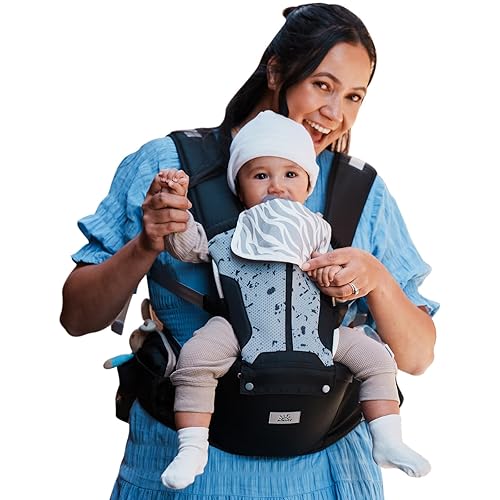 Best for parent-and-baby carrying on foot or by bikeMOMTORY Plus Size Friendly 6-in-1 Baby Carrier, Newborn to Toddler, BlackView on Amazon
- 6
 Best budget pickInfantino Flip Luxe 4-in-1 Baby Carrier, OnyxView on Amazon
- 7
 Best for newbornsBabyBjörn Baby Carrier Mini, Light Beige, 3D JerseyView on Amazon
Our Top Picks
Quick Comparison
| Product | Best for | Key feature |
|---|---|---|
| Toddler Bike Seat Front Mounted | Ages 1–4 on adult bikes | Full guardrail, 55 lb max load |
| Bell Mini Shell Front Carrier | Road and cruiser bikes | Shell-style front seat design |
| Kid’s Bike Seat Front Child Carrier | Children 2–4 years | 55 lb weight rating |
| BELL Shell Rear Child Carrier | Rear-mounted riding | Shell body with rear mounting |
| MOMTORY 6-in-1 Baby Carrier | Newborn to toddler, plus size wearers | 6 carry positions, hipseat for 7–50 lb |
| Infantino Flip Luxe 4-in-1 Baby Carrier | Budget-conscious families | 4 carry modes, 7–35 lb range |
| BabyBjörn Baby Carrier Mini | Newborns and small babies | Lightweight 3D jersey design |
Toddler Bike Seat Front Mounted, Child Bicycle Saddle for Adult Bike, Kids Bike Seats for Mountain/Road/Cruiser Bikes
Toddler Bike Seat Front Mounted,Child Bicycle Saddle for Adult Bike,Kids Bike Seats for Mountain/Road/Cruiser Bikes, Kid Front Carrier,Full Guardrail,Safe & Comfortable for Baby 1-4 Yrs,Max Load 55lbs
Best for: Overall front-mounted riding for toddlers aged roughly 1 to 4
This seat suits parents who ride adult bikes with a child up front and want a full guardrail for added containment. It is built for mountain, road, and cruiser frames, which makes it a flexible choice for families who ride different terrain.
Key specs:
- Maximum load: 55 lbs (per listing)
- Age range: 1 to 4 years (per listing)
- Full guardrail design
- Front-mounted attachment for adult bikes
Pros:
- Full guardrail adds containment during riding
- Fits multiple bike styles, including mountain, road, and cruiser
- Stated weight capacity covers most toddlers in the age range
Cons:
- Installation requires careful attention to frame and handlebar clearance
- Front-mounted seats shift the bike’s center of gravity, so new riders need practice
Bottom line: A strong pick for parents who want a guardrail and a seat that works across several bike types.
Bell Mini Shell Front Carrier in Gray
Bell Mini Shell Front Carrier in Gray, Gray Mini Shell Front Carrier, one Size
Best for: Road and cruiser bikes with a smaller child up front
This shell-style seat from a well-known bicycle accessory brand suits parents who want a compact front carrier. It is a good match for riders with road or cruiser frames where space around the handlebars is limited.
Key specs:
- Gray finish, one size
- Mini shell front carrier design
Pros:
- Brand has a long history in bicycle safety accessories
- Compact footprint for smaller frames
- Simple, one-size design
Cons:
- Listing does not state a detailed weight limit, so check with the manufacturer
- Smaller size may not suit older toddlers
Bottom line: Best for riders who want a compact, brand-backed front seat for a smaller child.
Kid’s Bike Seat Front Child Carrier Bike Chair for Bicycle
Kid's Bike seat Front Child Carrier Bike Chair for Bicycle Kids seat for Children 2~4 Years,Weight 55 lbs
Best for: Children around 2 to 4 years old
This front-mounted bike chair targets the older end of the toddler range. It suits parents whose child has outgrown smaller seats but still rides comfortably in front.
Key specs:
- Listed age range: 2 to 4 years
- Weight rating: 55 lbs (per listing)
- Front child carrier design
Pros:
- Stated weight rating covers a wide range of toddlers
- Designed specifically for front-mounted child carrying
- Suits older toddlers who need more room
Cons:
- Brand reputation is less established than some competitors, so check reviews carefully
- Installation instructions vary by bike type
Bottom line: A practical option for parents with a 2- to 4-year-old who want front-mounted riding.
BELL Shell Rear Child Carrier in Gray
BELL Shell Rear Child Carrier in Gray, Gray Shell Rear Carrier
Best for: Parents who prefer rear-mounted riding over a front seat
This rear-mounted shell carrier is included for riders who want their child behind them rather than in front. It is a useful comparison point, since rear seats change balance, visibility, and how a child experiences the ride.
Key specs:
- Gray shell design
- Rear-mounted attachment
Pros:
- Rear placement keeps the rider’s view of the road unobstructed
- Rear seats generally leave more room for handlebar steering
- Established bicycle accessory brand
Cons:
- Child cannot be seen or spoken to easily while riding
- Listing does not state a weight limit, so confirm before use
Bottom line: Choose this if you want a rear option, but note that it is not a front carrier.
MOMTORY Plus Size Friendly 6-in-1 Baby Carrier, Newborn to Toddler, Black
Plus Size Friendly, 6 Carry Positions, Ergonomic Hip Support, Cozy Baby Carrier with Hipseat for 7-50lbs, All Seasons MOMTORY Safety-Certified 6-in-1 Baby Carrier Newborn to Toddler, Black
Best for: Parents who want a versatile carrier for walking, errands, and off-bike use
This is a soft wearable carrier rather than a bike seat. It is listed here because some families use a front-facing carrier during bike trips, for example when parking and walking, and want one carrier for several situations. It should not be mounted to a bicycle.
Key specs:
- Six carry positions (per listing)
- Hipseat support for 7 to 50 lbs (per listing)
- Newborn to toddler range
Pros:
- Six carry positions in one carrier
- Stated range covers newborns through toddlers
- Designed with hip support for extended wear
Cons:
- Not a bike seat, so it cannot be used for riding
- Carrier-specific safety rules, such as keeping the baby upright and visible, still apply
Bottom line: A good off-bike companion for parents who ride and walk, but not a substitute for a bike-mounted seat.
Infantino Flip Luxe 4-in-1 Baby Carrier, Onyx
Keeps baby close from 7-35 lbs. Premium herringbone fabric. Four carry modes. M-position lumbar support Infantino Flip Luxe 4-in-1 Baby Carrier Ergonomic 7-35 lbs, Onyx
Best for: Budget-minded families who need a carrier for light, occasional use
Like the MOMTORY carrier, this is a wearable baby carrier, not a bike seat. It is included because many parents look for a carrier for walks and stops during a ride. Its listed range is narrower, so it fits smaller babies and infants.
Key specs:
- Four carry modes (per listing)
- Weight range: 7 to 35 lbs (per listing)
- M-position lumbar support (per listing)
Pros:
- Four carry modes for different stages
- Listed lumbar support for wearer comfort
- Budget-friendly option within the wearable carrier category
Cons:
- Weight range ends at 35 lbs, so it will not last as long as some competitors
- Not designed for use on a bicycle
Bottom line: A sensible choice for parents who want an affordable wearable carrier for walks alongside cycling.
BabyBjörn Baby Carrier Mini, Light Beige, 3D Jersey
BabyBjörn Baby Carrier Mini, Light Beige, 3D Jersey | Newborn Carrier, Ergonomic, Easy-to-Use
Best for: Newborns and very small babies on walks or stops during rides
This lightweight carrier is designed for the newborn stage. It is not a bike seat, but parents of young infants often want a carrier they can use when they park and walk. Its soft jersey fabric is a common choice for early months.
Key specs:
- 3D jersey fabric (per listing)
- Designed for newborn use (per listing)
- Ergonomic design
Pros:
- Well-known brand with a long track record in baby carriers
- Lightweight and easy to pack
- Soft fabric suited to early months
Cons:
- Not a bike seat and not suited to riding
- Limited to smaller babies, so it will need replacing as your child grows
Bottom line: Pick this for newborn-stage walks and stops, not for riding.
Buying Guide
Weight Capacity and Age Range
Front bike seats list a maximum load, often somewhere between 40 and 55 lbs, along with a recommended age range. Match the rating to your child’s current weight, not the age on the box. A child near the upper limit has less margin for shifting or sudden movement.
Good picks for this: Toddler Bike Seat Front Mounted; Kid’s Bike Seat Front Child Carrier
Mounting Style and Bike Compatibility
Front seats attach to the handlebar stem, the frame, or both. Check whether the seat fits your frame material and tube diameter. Confirm that the seat does not interfere with brake cables, shifters, or the front wheel’s turning radius. If you ride a road bike with drop bars, verify compatibility before purchase.
Good picks for this: Bell Mini Shell Front Carrier; Toddler Bike Seat Front Mounted
Guardrails and Harness Design
A full guardrail keeps small hands and feet away from spokes, chain, and the handlebar area. Look for a harness with a crotch strap and a buckle that releases easily for adults but cannot be opened by a child. Check that the footrests keep feet clear of the front wheel.
Good picks for this: Toddler Bike Seat Front Mounted; Kid’s Bike Seat Front Child Carrier
Front Versus Rear Riding
Front seats keep the child visible and within conversation, but they shift steering and balance. Rear seats keep the handlebars clear and the rider’s view unobstructed, though the child cannot be seen directly. Many families choose based on the bike’s handling and how much they plan to ride with traffic.
Good picks for this: BELL Shell Rear Child Carrier; Bell Mini Shell Front Carrier
Durability and Materials
Shell seats made from rigid plastic tend to hold their shape better in weather and resist cracking. Soft fabric carriers need checks for seam wear and buckle fatigue. Inspect hardware before each season, and replace any strap or buckle that shows fraying or stress marks.
Good picks for this: BELL Shell Rear Child Carrier; Bell Mini Shell Front Carrier
Carrying Off the Bike
Many families want one carrier for both bike trips and walking. Wearable carriers suit this need, but they do not replace a bike seat. Check the carrier’s weight range and carry positions, and make sure the baby’s airway stays clear and visible in every position.
Good picks for this: MOMTORY 6-in-1 Baby Carrier; Infantino Flip Luxe 4-in-1 Baby Carrier
Care and Maintenance
Wipe down shell and fabric surfaces after rides, and keep the seat dry to prevent mildew. Re-torque mounting bolts after the first few rides, since they can loosen with vibration. Follow the manufacturer’s washing instructions for fabric carriers.
Good picks for this: Toddler Bike Seat Front Mounted; BabyBjörn Baby Carrier Mini
FAQ
Is a front bike seat safe for toddlers?
Front bike seats can be used safely when the weight rating, age range, and mounting instructions are followed. Check the bike’s frame and handlebar compatibility, and ride at lower speeds until your child is secure. A child care professional or the manufacturer can help with setup questions.
What age can a child ride in a front bike seat?
Many front seats list an age range starting around 1 year and ending around 4 years, but the child’s weight and head control matter more than age alone. Confirm the minimum age and weight with the manufacturer before use.
Can I use a baby carrier on my bike?
Wearable baby carriers are not designed to be used while riding a bicycle. They do not secure the child to the bike and can cause serious injury in a fall. Use a purpose-built bike seat for riding and a carrier only for walking.
Front or rear bike seat: which is better?
Front seats keep the child in view and make conversation easier, but they change steering and balance. Rear seats keep the handlebars clear. The better choice depends on your bike, your riding terrain, and your comfort with handling.
How do I know if a seat fits my bike?
Check the seat’s mounting method against your frame and handlebar type. Confirm that brake cables, shifters, and the front wheel have clearance. If you are unsure, ask a local bike shop to inspect the installation.
How often should I check the seat’s hardware?
Inspect mounting bolts, buckles, and straps before each ride, and re-torque bolts after the first few rides. Replace any worn or damaged part. A bike shop can help if you are unsure about the condition of the hardware.
Conclusion
For a dedicated front bike seat, the Toddler Bike Seat Front Mounted with full guardrail is the strongest overall choice on the criteria of weight capacity, guardrail design, and bike compatibility. The Bell Mini Shell Front Carrier suits smaller children on road and cruiser bikes, and the Kid’s Bike Seat Front Child Carrier fits older toddlers. The BELL Shell Rear Child Carrier is the option for riders who prefer rear placement. For walking and off-bike carrying, the MOMTORY 6-in-1 and Infantino Flip Luxe carriers offer different strengths, and the BabyBjörn Mini suits newborns. Match each choice to your child’s weight, your bike, and your riding habits, and confirm the manufacturer’s safety instructions before every ride.
Sources
- Child safety guidance, including bicycle and child carrier safety information (cpsc.gov)
- Injury prevention resources for child passenger and bicycle safety (safekids.org)
- Guidance from the American Academy of Pediatrics on infant carrier use and positioning (aap.org)
Related reading
- Baby Carrier Seat Bike: 5 Best Front and Rear Options for Cycling (2026)
- Ergo Baby Carrier Adapt Front Facing: Safe Setup Steps for Babies
- Baby Bjorn Carrier One Front Facing: How to Use It Safely and Comfortably
- Which Tula Baby Carrier Is Best? 6 Top Picks Compared (2026)
About Graham Fisher
Graham Fisher is part of our editorial team and reviews and edits our baby gear guides, checking product details against manufacturer specifications and owner feedback.










Write Your Review
No reviews yet. Be the first to share your experience!