By Graham Fisher
Updated November 2026
Boba x baby carrier reviews help you decide whether this brand fits your body, your baby’s age, and the way you plan to use a carrier day to day. This guide walks through the factors that matter most, shows you how to check fit before you commit, and flags the mistakes that tend to make a carrier feel uncomfortable. By the end, you will know what to look for and what to ask yourself before reading any single review.
Step 1: Confirm the Age and Weight Range
Start with the manufacturer’s stated age, weight, and height limits. Carriers are designed around specific body sizes, and a model that works well for a seven-pound newborn may not offer enough seat support for a toddler approaching the upper weight limit. Owners often report that they only notice a mismatch after several weeks, so it is worth checking the spec sheet before you read opinions about comfort.
Shopping for one? See our guide: Baby Bjorn Baby Carrier Review: Pros and Cons.
Step 2: Check Your Fit and Torso Measurements
Most carriers adjust across a range of waist and shoulder sizes, but the usable range varies. Measure your waist at the natural point where a belt would sit, and note your chest and shoulder width if the manufacturer lists them. Reviews from owners with a similar build are more useful than general praise, so look for comments that mention height and body type.
- Waist measurement at the belt line
- Height, since torso length affects where the seat sits
- Whether the straps adjust far enough for your shoulders
Step 3: Review Carrying Positions and Baby Support
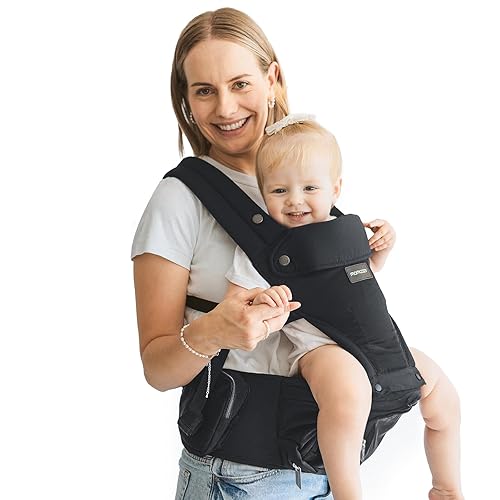
Look at which positions the carrier supports: front inward, front outward, and hip or back carry, if offered. Front-facing outward positions are generally less suited to young infants because they do not support the head and spine as well as an inward or hip position. Confirm that the seat supports the baby with knees at or above the hips and the spine in a natural curve. The manufacturer’s instructions should state these requirements clearly. If they do not, treat that as a reason for caution. You may also like Wompat Baby Carrier Reviews: What to Know Before You Buy.
Step 4: Compare Materials, Washing, and Daily Use
Consider how often you will wash the carrier and what you will carry in it. Fabrics that are machine washable save time, but check the care label for drying instructions, since high heat can affect padding. Pockets, buckles, and strap padding matter more over long walks than specification lists suggest. Owners often mention how quickly straps dig in after an hour, so read reviews that describe real outings rather than short demonstrations.
Checklist Before You Buy
- Confirm the baby’s current weight and height fall within the stated limits.
- Measure your waist and check the adjustment range.
- Identify which carrying positions you need and whether the carrier supports them safely.
- Read the care instructions and confirm they suit your routine.
- Check the return policy, since a fit problem often shows up after a few uses.
Common Mistakes to Avoid
- Choosing based on looks or a single glowing review without checking the age range.
- Ignoring the outward-facing position guidance for young infants.
- Skipping the fit check and assuming straps will adjust enough.
- Tightening the carrier too loosely, which lets the baby sag and strains your back.
- Forgetting to recheck the fit each time a different person uses the carrier.
Recommended Gear
A few add-ons can make a carrier more comfortable and practical, depending on how you use it.
- A lumbar support belt can help distribute weight when carrying a heavier toddler for longer periods. View on Amazon
- A breathable carrier liner adds a layer that some parents find helpful in warm weather. View on Amazon
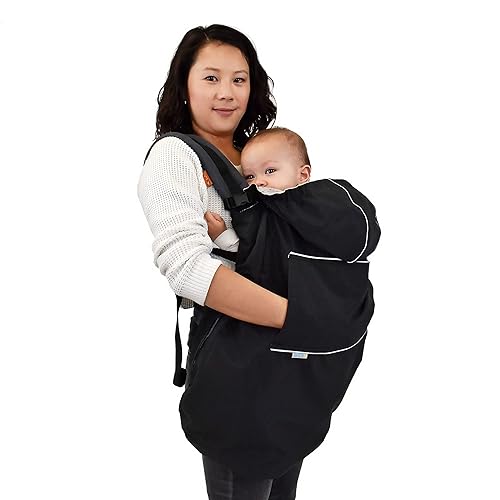
- A sun and rain cover protects the baby when you are outdoors in changing conditions. View on Amazon
FAQ
Is this carrier suitable for newborns?
It depends on the manufacturer’s stated minimum weight and whether the carrier supports an inward, supported seat position. Check the age and weight range in the product manual before using it with a newborn. You may also like Weego Twin Baby Carrier Reviews: What to Know Before You Buy.
How do I know if the fit is right?
The waistband should sit snugly on your hips, the baby should be high on your chest with no slumping, and you should be able to kiss the top of their head without leaning forward. Recheck the fit whenever the baby’s weight changes.
Where can I find more carrier comparisons?
Our site has detailed guides on other carriers, including Tula Ergonomic Baby Carrier Review: Key Features Explained and Ryco Baby Carrier Review: Features, Fit and Who It Suits, which compare fit and positioning across different designs.
Conclusion
Checking the age range, measuring your body, and confirming safe positioning will answer most of your questions before you buy. Use owner reviews to learn about daily comfort, but let the manufacturer’s guidance settle any safety question. If you have a specific health or back concern, consult your pediatrician or a physical therapist before choosing a carrier.
Related reading
- Water Sling Baby Carrier Review: Features and Performance
- Vlokup Baby Ring Sling Carrier Review: Pros and Cons
Ready to choose one?
About Graham Fisher
Graham Fisher is part of our editorial team and reviews and edits our baby gear guides, checking product details against manufacturer specifications and owner feedback.