By Graham Fisher
Updated November 2026
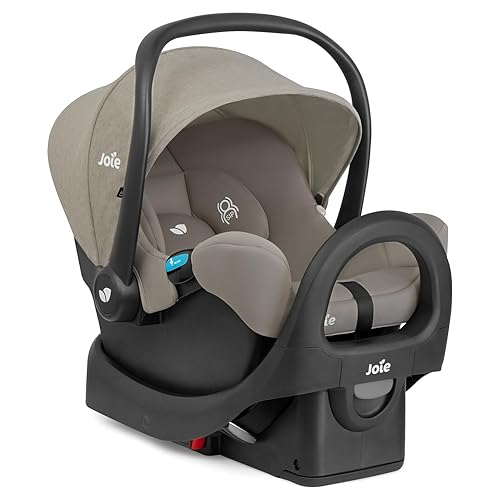
A rear facing car seat newborn setup protects your baby’s head, neck and spine in a crash by keeping them facing the back of the vehicle. This guide walks you through choosing a seat, checking the fit in your car, and installing it correctly. The steps below apply to most US-market seats, but always follow your specific seat’s manual.
Why Rear Facing Matters for Newborns
Newborns have large, heavy heads relative to their bodies and weak neck muscles. In a frontal crash, a rear-facing seat spreads crash forces across the head, neck, back and seat shell instead of concentrating them on the neck. The American Academy of Pediatrics recommends keeping children rear facing until they reach the highest weight or height limit allowed by their seat, which for most infant and convertible seats is well past the first birthday.
Shopping for one? See our guide: 8 Best Infant Car Seats (2026): Expert Picks for Newborns.
How to Choose a Rear Facing Newborn Car Seat
Start with the type of seat. An infant-only seat is lightweight, clicks into a base, and is usually the easiest to carry. A convertible seat stays installed in the car and can be used rear facing for longer. Check these details before you buy:
- Newborn fit: Look for a seat that lists a minimum weight low enough for a newborn and includes inserts or padding for a small baby.
- Height and weight limits: Compare the rear-facing maximum on each model. A higher limit means you can keep your child rear facing longer.
- Harness height: Rear-facing harness straps should sit at or just below the shoulders.
- Base compatibility: If you choose an infant seat, confirm the base fits your vehicle’s seat belt or LATCH system.
Installing a Rear Facing Car Seat for Newborn Use
Install the seat in the back seat, in the center if your vehicle allows a secure fit there. Most manufacturers allow installation with either the vehicle seat belt or the LATCH system, but not both at once unless the manual says so.
- Read the seat manual and your vehicle owner’s manual section on child restraints.
- Set the recline indicator to the newborn position. Many seats have a level or bubble to confirm the angle.
- Route the seat belt or LATCH strap through the correct belt path, marked on the seat.
- Press down firmly in the seat with your knee or hand while tightening the belt or strap.
- Pull at the belt near the belt path. The seat should move less than one inch side to side and front to back.
- Adjust the harness so the straps sit at or just below the shoulders, then pinch the strap at the chest. You should not be able to pinch any webbing.
Checking the Recline Angle
Newborns need an upright but reclined position so their airway stays open. If the seat is too upright, a newborn’s head can drop forward. Use the built-in recline indicator, and if the seat cannot reach the correct angle in your car, a rolled towel or a manufacturer-approved recline aid may help. Do not use unapproved products under the seat.
Common Mistakes to Avoid
- Placing the harness straps above the shoulders, which can let the baby slide up in a crash.
- Adding bulky coats or snowsuits under the harness, which leave the straps too loose.
- Installing the seat with both the belt and LATCH used together unless the manual allows it.
- Skipping the one-inch movement test, which is the most common cause of a loose install.
- Using a seat past its expiration date or after a crash that required replacement.
Recommended Gear
A few accessories can make a rear-facing setup easier to manage day to day.
- Car seat mirror: Lets you see your newborn’s face from the front seat without turning around. View on Amazon
- Infant car seat base (extra): A spare base can keep a second car ready without moving the seat. View on Amazon
- Newborn insert set: Helps support a small baby when the seat includes no built-in newborn padding. View on Amazon
FAQ
How long should a newborn stay rear facing?
Most children stay rear facing well past their first birthday, until they reach the maximum height or weight limit of their seat. Check the rear-facing limits printed on your seat label.
Can I use a rear facing car seat in the front seat?
Placing a rear-facing seat in the front seat is not recommended when the vehicle has an active passenger airbag. Use the back seat whenever possible.
Should I have my car seat installation checked?
A certified child passenger safety technician can check your installation for free at many local fire stations and hospitals. Check the official NHTSA website or your state’s child passenger safety program for current locations and appointment details.
Conclusion
A rear facing car seat newborn setup works best when you choose a seat that fits your baby, install it in the back seat, and check the fit with the one-inch test. Take the time to set the recline and harness correctly every time. For more detail on seat types, see Rear Facing Car Seat Guide: How to Choose and Install One Safely (2026) and Infant vs Convertible vs All-in-One Car Seats.
Related reading
- Forward Facing Car Seat Guide: When to Switch and How to Install (2026)
- What Car Seat Has the Best Durability? Top Picks and How to Judge
- Travel System vs Separate Stroller and Infant Car Seat
Ready to choose one?
About Graham Fisher
Graham Fisher is part of our editorial team and reviews and edits our baby gear guides, checking product details against manufacturer specifications and owner feedback.