By Graham Fisher
Updated November 2026
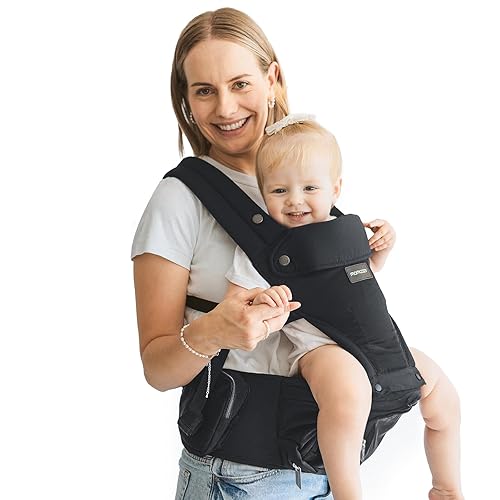
Reading wompat baby carrier reviews is most useful when you know what to check for. This guide shows you how to compare carriers on fit, support, safety and comfort, so you can judge any review against the same criteria and pick a carrier that suits your body and your baby’s age.
Step 1: Confirm the Carrier Suits Your Baby’s Age and Weight
Start with the manufacturer’s stated limits. Most soft structured and wrap-style carriers list a minimum weight, often from around 7 pounds for newborn inserts, and a maximum weight, commonly 20 to 45 pounds depending on the model. Check whether the carrier is rated for front-facing-in, hip and back carry, and whether it needs an insert for newborns. Reviews often praise a carrier for toddlers but say little about its newborn fit, so verify that separately.
Shopping for one? See our guide: Baby Bjorn Baby Carrier Review: Pros and Cons.
Step 2: Check Fit for Your Body
Fit affects comfort more than any other factor. Compare the manufacturer’s size chart against your height, torso length and waist. Pay attention to these measurements:
- Shoulder strap length and whether the straps can be adjusted without twisting
- Waist belt range, especially if you carry a toddler on your hip
- Panel width, which should sit under the baby’s bottom and reach the back of the knees in a seated position
- Whether the carrier can be tightened evenly across your upper back
Owners with a larger frame often report that a plus-size or extended model fits better than a standard one, while shorter adults sometimes find a standard waist belt sits too low. Worth reading next: Weego Twin Baby Carrier Reviews: What to Know Before You Buy.
Step 3: Evaluate Support and Positioning
Look for a seat that keeps the baby’s hips in a natural, spread-squat position with knees higher than the bottom. The manufacturer should state the seat width. Also check the head and neck support: the carrier should hold the head upright or allow it to be supported easily as the baby grows. Carriers that let you switch between front, hip and back carry give more flexibility, but each position should be tested for security before you rely on it.
Step 4: Compare Materials, Care and Safety Features
Breathable fabrics such as cotton blends and mesh panels help in warm weather, while padded straps spread weight across the shoulders. Check whether the cover machine washes and how it dries. Confirm that buckles lock securely and that the carrier meets the safety standards the manufacturer names. If you plan to use the carrier for long walks or hikes, a padded hip belt and lumbar support matter more than the fabric choice.
Quick Checklist Before You Buy
- Baby’s current weight is within the carrier’s stated range
- Your height and waist fall within the size chart
- Seat width supports a spread-squat position
- Head support suits the baby’s age
- Straps and waist belt adjust without tools
- Fabric and care instructions suit your climate and laundry routine
Common Mistakes
- Trusting star-style praise without checking the manufacturer’s weight and height limits
- Using a newborn carrier past its stated range because it still feels comfortable
- Skipping the fit check and buying the same size as a friend
- Tightening the straps too loosely, which pulls weight onto your lower back
- Overlooking how hard the carrier is to put on alone
Recommended Gear
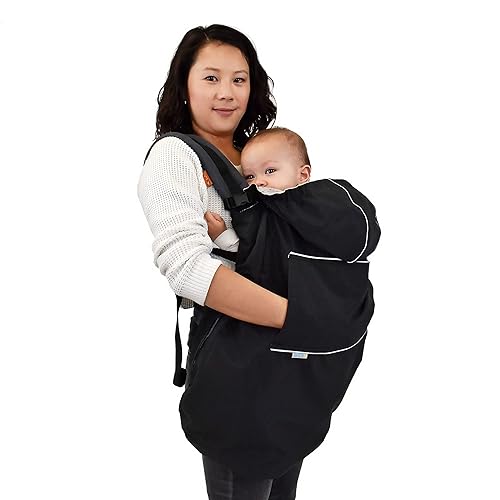
A carrier fits best when you pair it with a few small items. A nursing cover keeps you covered for feeding in the carrier, and a lumbar support belt can help on longer walks. Consider a carrier-safe sun shade for outdoor use.
FAQ
Are wompat baby carrier reviews reliable on their own?
Reviews show real-world experience, but they often reflect the reviewer’s body type and baby’s age. Use them alongside the manufacturer’s size and weight specifications.
Can a baby carrier be used from birth?
Many carriers need a newborn insert or a specific newborn setting, and some are only suitable once the baby has reached a minimum weight. Follow the manufacturer’s instructions and check the newborn guidance for your model.
Should I consult a professional about carrier safety?
Yes. If your baby has a medical condition, such as a hip or breathing concern, or if you have questions about positioning, ask your pediatrician or a certified baby carrier consultant before use.
Conclusion
Good wompat baby carrier reviews become easy to judge once you check the baby’s age and weight range, your own fit measurements, and the seat and head support. Work through the checklist above before buying. Confirm details on the manufacturer’s official site, since specifications can change between versions.
Related reading
- Water Sling Baby Carrier Review: Features and Performance
- Vlokup Baby Ring Sling Carrier Review: Pros and Cons
- UV Cover for Baby Carrier Review: Features and Performance
- Tushbaby Hip Seat Baby Carrier Review: Pros and Cons
- Tula Ergonomic Baby Carrier Review: Key Features Explained
Ready to choose one?
About Graham Fisher
Graham Fisher is part of our editorial team and reviews and edits our baby gear guides, checking product details against manufacturer specifications and owner feedback.