By Graham Fisher
Updated November 2026
A mission critical baby carrier hip dysplasia setup is only helpful when the baby’s legs stay spread in a natural frog position and the hips stay supported. This guide walks you through checking the carrier’s fit, positioning your baby correctly and spotting problems early. Hip dysplasia is a medical condition, so always confirm your carrier choice with your pediatrician or a pediatric orthopedist.
Understand What the Carrier Needs to Do
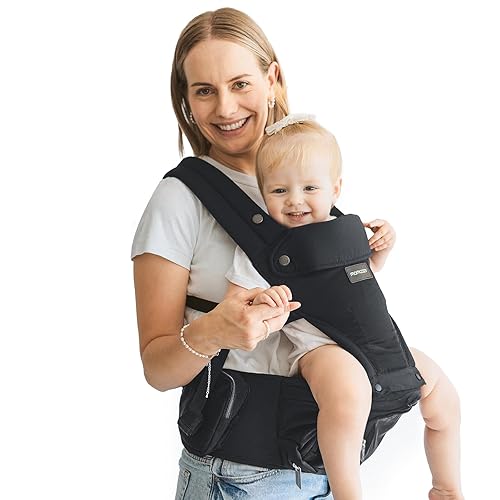
Developmental dysplasia of the hip, often shortened to DDH, involves the ball and socket of the hip not forming or staying aligned as they should. Most pediatric guidance focuses on keeping the hips flexed and abducted, meaning the knees sit at or above the bottom and the thighs are supported from knee to knee. Many carriers, including the Mission Critical design, were built with a wide seat and leg openings, which is why parents of babies in hip care often consider them. The key question is whether the carrier forces the legs together or allows them to spread.
Shopping for one? See our guide: Mission Critical Baby Carrier Twins: 6 Best Picks for Double Wear (2026).
Check the Fit Before You Use It
Work through these checks with the carrier on an adult before adding your baby:
- Confirm the seat panel reaches from the back of your baby’s knee to their bottom, not just their buttocks.
- Adjust the waist strap so the carrier sits high enough that your baby’s chest is close to yours without their chin pressing down.
- Set the leg openings so they are wide enough that the baby’s thighs fall outward and the knees ride above the hips.
- Tighten the shoulder straps until there is no gap at your baby’s back when you lean forward.
If the seat panel is too narrow for your baby’s leg length or the leg openings pinch the thighs, the setup may not suit their hip needs.
Position Your Baby for Healthy Hip Development
Place your baby facing you with their legs straddling your torso. Their knees should sit at or above their bottom, and their thighs should rest on the seat panel without the legs dangling straight down. Avoid wrapping or tucking the legs together, because that compresses the hip joint. Keep your baby upright and supported so the spine stays aligned, and check that their breathing is clear and unobstructed at all times.
Recheck Position During the Day
Babies shift as they move, so the leg position can change within minutes. Pause every so often to confirm the knees are still above the bottom and the thighs are still supported. Owners of carriers with hip seats often report that a quick adjustment after a diaper change or feeding keeps the position correct.
Know When to Stop and Seek Advice
Stop using the carrier and contact your pediatrician if your baby seems uncomfortable, if the legs look stiff or uneven, or if you notice a clicking sensation or limited hip movement during diaper changes. Follow any brace or treatment plan your doctor provides, and ask before changing positions or adding accessories. Carriers are a support tool, not a treatment.
Common Mistakes
- Leaving the legs dangling straight down instead of supporting the thighs.
- Wrapping the legs together or tucking them inside the fabric.
- Using a carrier that is too narrow for the baby’s leg length.
- Skipping the fit check after the baby grows or after switching carry positions.
- Assuming a carrier replaces medical follow-up.
Recommended Gear
A sturdy, supportive carrier with a wide seat is the core item, and parents often pair it with a mirror or a second adult to check positioning. A small pediatric hip checklist from your clinic can help you keep track of appointments and fit notes.
- View on Amazon for a wide-seat carrier designed around hip-friendly leg positioning.
- View on Amazon for extra thigh support when a carrier’s seat panel feels shallow for your baby.
FAQ
Is a mission critical baby carrier safe for hip dysplasia?
Many parents of babies in hip care use wide-seat carriers, but safety depends on the baby’s diagnosis and the fit. Ask your pediatric orthopedist to confirm the setup before you start.
What leg position should my baby have in the carrier?
The knees should sit at or above the bottom, with the thighs supported and the legs spread in a natural frog position. Avoid tucking or wrapping the legs together.
How often should I check the carrier fit?
Check the fit each time you put the carrier on, and recheck leg position every so often during use. Re-measure fit as your baby grows.
Conclusion
A mission critical baby carrier can suit a baby with hip concerns when the seat supports the thighs and the legs stay spread in a natural frog position. Run the fit checks, position your baby carefully and recheck throughout the day. Always confirm your plan with your pediatrician or orthopedist.
Related reading
- 7 Best Hip Dysplasia Approved Baby Carriers for Healthy Hip Development (2026)
- 6 Best Used Mission Critical Baby Carriers for Dads and Hands-Free Carry (2026)
- Tushbaby Hip Seat Baby Carrier Review: Pros and Cons
- Pognae Baby Carrier Hip Seat: 5 Best Picks Compared (2026)
- Hip Seat Baby Carrier Cool Air Mesh Raven: Fit, Setup and Safe Use Guide
Ready to choose one?
About Graham Fisher
Graham Fisher is part of our editorial team and reviews and edits our baby gear guides, checking product details against manufacturer specifications and owner feedback.