By Graham Fisher
Updated November 2026
Once Upon a Child is a resale chain that often stocks secondhand baby carriers, and buying a used once upon a child baby carrier can save money if you know what to check. The short answer: inspect the seams, buckles, straps and fabric closely, confirm the model has not been recalled, and never buy a carrier with missing instructions or damaged safety features. Used carriers are a reasonable choice only when they pass a careful hands-on check.
Why Buying a Used Baby Carrier Needs Extra Care
A baby carrier takes real load. Your child’s weight pulls on straps, buckles and stitching with every step, and that stress adds up over months of use. A secondhand carrier may have already been used through several seasons, washed many times, and carried heavier children than its listed limit. Wear that is invisible at a glance can weaken the very parts that keep your baby secure.
Shopping for one? See our guide: 7 Best Gerry Deluxe Kiddie Baby Backpack Frame Child Carriers (2026): Our Picks.
Resale stores also rarely know a product’s full history. You will not know whether the carrier was dropped, left in a hot car, or repaired with non-original parts. That uncertainty is the main reason to inspect a used carrier more thoroughly than you would a new one.
Factors to Check on Any Used Carrier
Start with the labels. Most manufacturers print a model name, manufacture date or batch code, and weight and height limits on a tag sewn into the carrier. If the label is missing or unreadable, you cannot confirm the age of the product or whether it meets the limits you need.
Next, look at the seams and stitching. Pull gently on the straps where they meet the body panel. Check for loose threads, puckering, fraying or thinning fabric, especially around the shoulder straps and waist belt. Any tear or area where the webbing looks stretched or glossy should be a reason to walk away. If you want more background, see 13 Best Baby Wrap Carriers.
Test every buckle and adjuster. Each should click fully closed and hold firmly when you tug. Cracks in plastic buckles, rust on metal hardware, or buckles that slip under light pressure are serious problems. Adjusters should slide smoothly and lock in place.
Finally, check the fit and comfort features. Padding should be even and not compressed flat. The carrier should be able to adjust to your torso length and your baby’s position. If it cannot be adjusted to fit you, it may not be the right carrier regardless of its condition.
Recall and Safety Checks
Before you buy, search the model name along with “recall” on the U.S. Consumer Product Safety Commission website. Carrier models are occasionally recalled for defects such as buckle failure or stitching problems, and a recalled carrier should never be used. Also confirm the carrier has its original instruction booklet or that you can download the manual from the manufacturer. Without instructions, you cannot be sure you are using it correctly.
Pay attention to baby positioning guidance. Manufacturers specify how the baby should face, how high the head should sit, and how to keep the airway clear. Follow those instructions exactly. If you are unsure about positioning, fit or safety, consult a pediatrician or a certified carrier fitting specialist before using the carrier.
What to Do Once You Get It Home
- Wash the carrier according to the care label, using mild soap and cool water unless the label says otherwise.
- Air dry fully away from direct heat before use, since heat can weaken fabric and webbing.
- Re-check all buckles and seams after washing, because damage can become visible once the fabric is clean.
- Practice putting it on and adjusting it with an empty weight, such as a bag of similar weight, before your baby goes in.
- Do a short test walk indoors and check that the baby’s head, chin and airway remain clear.
Retire the carrier if any part fails, the fabric wears through, or the manufacturer’s weight limit is exceeded.
Practical Tips for Buying Used
- Bring a checklist of labels, seams, buckles and adjusters so you inspect each one every time.
- Ask the store whether the item has been cleaned or repaired, and whether it has any return or exchange policy.
- Avoid carriers with stains that may not wash out, strong odors, or any visible repair tape.
- Compare the carrier’s age against the manufacturer’s expected lifespan, which is often stated in the manual.
- If you plan to carry a newborn, confirm the carrier supports infant use, since many models only work for older babies.
What We’d Use
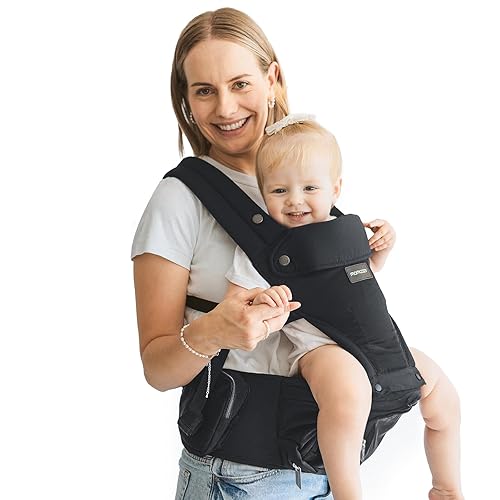
If you want a carrier that is easy to inspect and widely documented, a Tula Explore Baby Carrier is a popular choice with clearly listed size and weight ranges. View on Amazon
For a simple, adjustable option that many parents use from newborn through toddler years, an Ergobaby Omni 360 Cool Air Mesh Carrier is a common pick. View on Amazon
Related Questions
Is a used baby carrier safe to buy?
It can be, if the carrier passes a thorough inspection and has no recalls. Avoid any carrier with damaged buckles, torn straps, missing labels or missing instructions.
How do I know if a baby carrier has been recalled?
Search the exact model name on the U.S. Consumer Product Safety Commission website and the manufacturer’s site. Recalls are usually listed by model and date range.
How long do baby carriers last?
Lifespan depends on use, care and storage. Check the manufacturer’s manual for guidance, and retire any carrier that shows wear on straps, seams or buckles.
Can I wash a secondhand baby carrier?
Yes, but follow the care label. Use mild soap, avoid high heat in drying, and inspect the carrier again once it is clean.
Should I buy a carrier that does not come with instructions?
It is better to avoid it unless you can download the official manual from the manufacturer and confirm the model’s correct use.
Related reading
- 7 Best Baby Carriers for Second Child: Buyer's Guide
- Woolworths Baby Carrier Price List: What Each Model Costs (2026)
- Which Tula Baby Carrier Is Best? 6 Top Picks Compared (2026)
Ready to choose one?
About Graham Fisher
Graham Fisher is part of our editorial team and reviews and edits our baby gear guides, checking product details against manufacturer specifications and owner feedback.