 By Graham Fisher
Updated November 2026
Shopping for the best Chicco baby carrier usually comes down to a few practical questions: how old is your baby, how much do they weigh, how long will you wear them, and does the carrier fit your body? This guide compares seven carriers from the broader market that parents often pair with Chicco-style designs, judged on weight range, carry positions, hip support, ease of adjustment and breathability. Each pick is based on manufacturer specifications and patterns that owners frequently mention, not on hands-on testing by our team.
Our top picks at a glance
- 1
 TOP CHOICEBest overallInfantino Grows with Baby Carrier (Affogato)View on Amazon
- 2
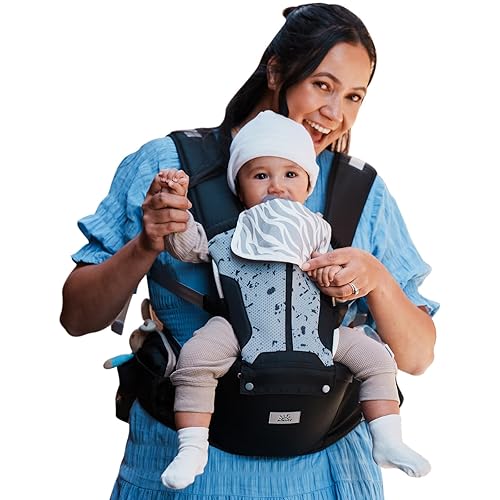 TOP CHOICEBest for plus-size parentsMOMTORY Plus Size Friendly 6-in-1 Baby Carrier with HipseatView on Amazon
- 3
 TOP CHOICEBest for travel6-in-1 Ergonomic Detachable Baby Carrier with Extender Belt (Khaki)View on Amazon
- 4
 Best for hip-healthy carryEssential Ergonomic Soft-Structured Baby Carrier (Almond)View on Amazon
- 5
 Best for warm weatherBecoAirflow Ventura Breathable Baby Carrier (Navy)View on Amazon
- 6
 Best budget pickNekoBrown Slings Up and Down Baby CarrierView on Amazon
- 7
 Best for active babiesMomcozy 2-in-1 Forward-Facing Hip Seat Carrier (AirMesh Black)View on Amazon
Our Top Picks
Quick Comparison
| Product | Best for | Key feature |
|---|---|---|
| Infantino Grows with Baby Carrier (Affogato) | Growing families wanting one carrier for years | Adjustable fit for 8–32 lbs |
| MOMTORY 6-in-1 Plus Size Friendly Carrier | Plus-size parents and heavier toddlers | Hipseat and six carry positions for 7–50 lbs |
| 6-in-1 Detachable Carrier with Extender Belt (Khaki) | Travel and frequent switching between wearers | Detachable hip seat and extender belt |
| Essential Ergonomic Soft-Structured Carrier (Almond) | Hip-healthy everyday carrying | Front and back carry for 7–35 lbs |
| BecoAirflow Ventura Breathable Carrier (Navy) | Hot climates and long walks | Recycled stretch knit with three carry positions |
| NekoBrown Slings Up and Down Carrier | Parents on a tighter budget | Ages 6–36 months range |
| Momcozy 2-in-1 Hip Seat Carrier (AirMesh Black) | Active babies and toddlers | Forward-facing carry with detachable hip seat for 7–44 lbs |
Infantino Grows with Baby Carrier (Affogato)
InfantinoGrows with baby from 8-32 lbs. Adjustable fit. Ergonomic hands-free carrying for everyday adventures. Registry Gift Flip Luxe 4-in-1 Baby Carrier Ergonomic 7-35 lbs, Affogato
Best for: Families who want one carrier to last from early infancy through the toddler stage.
This carrier suits parents who prefer to buy once and adjust as their child grows. Its range covers most of the first two years, which reduces the need to switch carriers at each milestone.
Key specs
- Weight range: 8–32 lbs (per listing)
- Hands-free ergonomic carry
- Adjustable fit for different body sizes
Pros
- Wide weight range covers infancy through toddlerhood
- Adjustable straps help achieve a snug fit
- Hands-free design suits errands and walks
Cons
- Newborns may need extra support until they reach the lower weight limit
- Heavier toddlers can make a soft carrier less comfortable over long distances
Bottom line: A strong pick for parents who want a single carrier with a long usable life.
MOMTORY Plus Size Friendly 6-in-1 Baby Carrier with Hipseat
Plus Size Friendly, 6 Carry Positions, Ergonomic Hip Support, Cozy Baby Carrier with Hipseat for 7-50lbs, All Seasons MOMTORY Safety-Certified 6-in-1 Baby Carrier Newborn to Toddler, Black
Best for: Plus-size parents and carrying heavier toddlers.
Listed as plus-size friendly, this carrier is aimed at wearers who need extra strap length and a supportive hipseat. It is a good option when a standard-fit carrier feels too short in the waist or torso.
Key specs
- Weight range: 7–50 lbs (per listing)
- Six carry positions
- Ergonomic hip support with hipseat
Pros
- Designed with plus-size wearers in mind
- Six carry positions add variety
- Hipseat helps distribute a toddler’s weight
Cons
- Bulkier than minimalist soft carriers
- Multiple positions mean more adjustment time at first
Bottom line: Best suited to parents who need extra room and want to carry a child well into toddlerhood.
6-in-1 Ergonomic Detachable Baby Carrier with Extender Belt (Khaki)
Ergonomic, Adjustable & Detachable with Extender Belt for Hands-Free Travel Baby Carrier with Hip Seat, 6-in-1 Newborn to Toddler, 7-44 lb, Khaki
Best for: Travel and households where more than one adult shares the carrier.
The detachable hip seat and extender belt make it easier to move the carrier between partners or caregivers of different sizes. It also packs more readily for trips than bulkier structured designs.
Key specs
- Weight range: 7–44 lbs (per listing)
- Six carry configurations, newborn to toddler
- Extender belt and detachable hip seat
Pros
- Extender belt accommodates a range of waist sizes
- Detachable seat simplifies packing
- Covers newborn to toddler stages
Cons
- Multiple parts to attach and detach can slow down quick transitions
- Newborn fit usually depends on using the insert correctly
Bottom line: A practical choice for travelers and shared-use households.
Essential Ergonomic Soft-Structured Baby Carrier (Almond)
Essential Baby Carrier Ergonomic soft-structured carrier supports hips 7-35 lbs, breathable, lightweight, front & back carry Ergonomic Hip-Healthy Baby Carrier, Front and Back Carry, 7-35 lbs, Almond
Best for: Everyday hip-healthy carrying for infants and young children.
Soft-structured carriers with a wide seat are widely recommended by pediatric organizations for hip development, and this model follows that design approach. It is well suited to daily errands and shorter walks.
Key specs
- Weight range: 7–35 lbs (per listing)
- Front and back carry
- Breathable, lightweight construction
Pros
- Ergonomic seat supports the hips in a spread-squat position
- Lightweight for daily use
- Front and back carry options
Cons
- Upper weight limit is lower than some toddler-focused models
- Limited padding for very long hikes
Bottom line: Ideal for parents who want an everyday carrier with good hip positioning and no extra bulk.
BecoAirflow Ventura Breathable Baby Carrier (Navy)
BecoAirflow Recycled Stretch Knit, 3 Ergonomic Carry Positions, Zip-Adjust M-Position Seat, Head Support & Padded Waistbelt Ventura Breathable Baby Carrier Newborn to Toddler, Navy, (7–45lbs)
Best for: Hot climates, summer walks and long days outdoors.
Recycled stretch knit fabric and a mesh-style design are aimed at reducing heat buildup against the wearer’s body. This carrier is a sensible choice when the main concern is staying cool.
Key specs
- Weight range: 7–45 lbs (per listing)
- Three ergonomic carry positions
- Zip-adjust M-position seat, head support and padded waistbelt
Pros
- Breathable fabric suits warm weather
- Head support is useful for newborns
- Padded waistbelt improves comfort
Cons
- Stretch knit can feel less supportive for heavier toddlers
- Fewer carry positions than six-in-one designs
Bottom line: A good match for parents in warm regions or anyone prioritizing airflow.
NekoBrown Slings Up and Down Baby Carrier
NekoBrown Slings Up & Down Baby Carrier JEANIOUS | Ages 6-36 Months (JEANIOUS)
Best for: Parents looking for a budget-friendly carrier covering the toddler years.
This carrier is listed for babies roughly six to 36 months, which makes it a practical option for parents who do not need a newborn insert. It fits well into a secondary-carrier role.
Key specs
- Age range: 6–36 months (per listing)
- Up-and-down carry design
Pros
- Accessible option for parents on a budget
- Covers the toddler stage
- Simple design is easy to learn
Cons
- Not intended for newborns
- Fewer adjustment features than premium options
Bottom line: Best for parents who want a second, simpler carrier for older infants.
Momcozy 2-in-1 Forward-Facing Hip Seat Carrier (AirMesh Black)
Momcozy Baby Carrier with Hip Seat, 2-in-1 Forward-Facing Carry for Active Babies, Detachable Hands-Free Carrier for 7-44lbs, Breathable Infant Carrier Fits Waist Sizes up to 45 Inches, AirMesh Black
Best for: Active babies who want to face outward and parents with a range of waist sizes.
The forward-facing option and AirMesh fabric target parents who spend a lot of time outdoors or on the go. The waist-size range helps when more than one adult uses the carrier.
Key specs
- Weight range: 7–44 lbs (per listing)
- Detachable hip seat
- Fits waist sizes up to 45 inches (per listing)
Pros
- Forward-facing carry for curious babies
- Wide waist fit range
- Breathable AirMesh panels
Cons
- Some babies dislike forward-facing carry for long periods
- Detachable seat adds parts to manage
Bottom line: A good pick for active families who want forward-facing flexibility.
Buying Guide
Weight and Age Range
Check the minimum and maximum weight listed by the manufacturer. A carrier rated from 7 to 35 lbs will not last through the toddler years, while one rated to 45 or 50 lbs may be more practical if you plan to carry through age two or three. Remember that the manufacturer’s rating is a ceiling, and comfort often drops before the limit is reached.
Good picks for this: Infantino Grows with Baby Carrier and MOMTORY Plus Size Friendly 6-in-1
Carry Positions
Front-facing-in, hip, and back carry each suit different stages. Newborns typically need an inward-facing position with head support. Many parents later add back carry for longer walks. Count how many positions a carrier offers and whether you will actually use them.
Good picks for this: Essential Ergonomic Soft-Structured Carrier and 6-in-1 Detachable Carrier with Extender Belt
Hip Positioning
Pediatric and hip-health organizations generally recommend a carrier that holds the baby in a spread-squat position, with knees at or above the bottom and the seat wide enough to span from knee to knee. Narrow crotch straps can work against this. Check the seat width before buying.
Good picks for this: Essential Ergonomic Soft-Structured Carrier and Infantino Grows with Baby Carrier
Fit and Sizing
Measure your waist and chest before shopping. Many carriers list a waist range; extender belts help when more than one adult wears the carrier. Shoulder straps should sit flat without digging in, and the waistbelt should carry most of the load.
Good picks for this: 6-in-1 Detachable Carrier with Extender Belt and Momcozy 2-in-1 Hip Seat Carrier
Breathability and Climate
Fabric affects how warm you and your baby feel. Knit and mesh panels usually ventilate better than heavy cotton or padded fabrics. If you live somewhere hot or humid, prioritize airflow and check whether the carrier can be worn without adding a second layer.
Good picks for this: BecoAirflow Ventura Breathable Carrier and Momcozy 2-in-1 Hip Seat Carrier
Portability and Travel
If you fly or travel often, consider how easily the carrier folds and whether it has detachable parts that could be lost. A lightweight soft carrier packs down smaller than a structured one with a hip seat and many fasteners.
Good picks for this: 6-in-1 Detachable Carrier with Extender Belt and Essential Ergonomic Soft-Structured Carrier
Care and Durability
Check whether the fabric is machine washable and how the manufacturer recommends drying it. Regular washing keeps the carrier hygienic, especially with spit-up and outdoor dirt. Inspect seams, buckles and stitching periodically, and replace the carrier if any component shows wear.
Good picks for this: NekoBrown Slings Up and Down Baby Carrier and Infantino Grows with Baby Carrier
FAQ
Is a Chicco-style carrier safe for newborns?
Newborn use depends on the carrier’s design and whether it includes a proper insert or head support. Look for instructions that show an inward-facing position with the baby’s chin off the chest and airway visible. Always follow the manufacturer’s age and weight guidance.
How do I know if a carrier fits my body?
Measure your waist and check the carrier’s listed waist range. Try the carrier on, adjust the straps so the waistbelt sits on your hips, and confirm your baby sits high enough to kiss without you bending down.
Can I use a baby carrier for hiking?
Many parents use carriers on trails, but look for a model with a supportive waistbelt, good weight distribution and breathable fabric. Carry the baby with a clear view of your face and check their airway frequently.
When should I stop using a baby carrier?
Stop once your child exceeds the manufacturer’s maximum weight or height, or once they can no longer be held comfortably. Many toddlers outgrow carriers before age three, though some parents continue longer with a hip seat model.
How often should I wash a baby carrier?
Wash it whenever it is visibly soiled or after spit-up and outdoor use. Follow the care label, usually a gentle cycle and air drying, to protect the fabric and stitching.
Are soft-structured carriers better than wraps?
Soft-structured carriers are easier to put on and adjust quickly, while wraps offer more flexible positioning but take longer to learn. The better choice depends on your comfort level and how often you plan to carry.
Conclusion
The best choice depends on your baby’s age, your body size, and how you plan to use the carrier. For one carrier that grows with your child, the Infantino Grows with Baby Carrier is a strong starting point. Plus-size parents may prefer the MOMTORY model, while travelers will appreciate the detachable 6-in-1 design. Hot-weather families should look at the BecoAirflow Ventura, and budget-minded buyers may find the NekoBrown carrier useful as a secondary option. Always check the manufacturer’s weight and age limits, and consult a pediatric professional or certified carrier fitter if you have questions about your baby’s hip development or safe positioning.
Sources
- Consumer safety guidance on infant carriers and recalls (cpsc.gov)
- Pediatric recommendations on infant carrying and safe positioning (aap.org)
- Information on hip development and healthy carrying positions
Related reading
- Chicco MyAmaki Complete Baby Carrier: 7 Best Picks Compared (2026)
- Which Tula Baby Carrier Is Best? 6 Top Picks Compared (2026)
- Used Hiking Baby Carrier Picks: 6 Best Options for Trail Days (2026)
- Tula Bliss Bouquet Baby Carrier: 7 Best Tula Carriers Compared (2026)
- Tula Baby Carrier Plus Size Mom: 3 Best Picks for Comfort (2026)
About Graham Fisher
Graham Fisher is part of our editorial team and reviews and edits our baby gear guides, checking product details against manufacturer specifications and owner feedback.








Write Your Review
No reviews yet. Be the first to share your experience!