By Graham Fisher
Updated November 2026
Shopping for a used Osprey baby carrier usually means balancing two things: a carrier that still has good structure and straps, and a model that fits your child’s age and your own torso length. This list compares seven Osprey Poco-line carriers and one closely comparable Deuter option, focusing on the features that matter most when you buy secondhand: age range, weight capacity, harness adjustability, sun protection, and how well the frame holds up over time. Each pick is matched to a specific need so you can narrow the field quickly.
Our top picks at a glance
- 1
 TOP CHOICEBest overallOspreyBaby Carrier Backpack, Toddler Hiking CarrierView on Amazon
- 2
 TOP CHOICEBest for newbornsOsprey Poco Soft Convertible Baby Carrier for NewbornsView on Amazon
- 3
 TOP CHOICEBest for long hikesOspreyBaby Backpack Carrier, Hiking Baby Carrier with UPF 50 SunshadeView on Amazon
- 4
 Best premium feature setOsprey Poco Premium Child Carrier BackpackView on Amazon
- 5
 Best budget pickOsprey Poco Child Carrier BackpackView on Amazon
- 6
 Best lightweight optionOsprey Poco LT Soft Convertible Baby Carrier for NewbornsView on Amazon
- 7
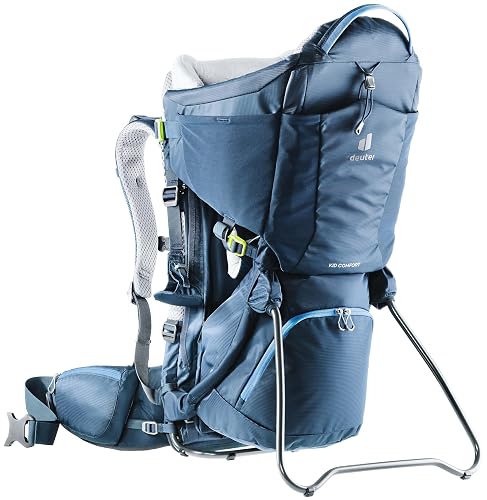 Best alternative brandDeuter Kid Comfort Child Carrier and Backpack for Travel and HikingView on Amazon
Our Top Picks
Each product below is listed with the same details so you can compare them directly. Check the specific model year and condition before buying, because harness wear and buckle function vary a lot on used gear.
| Product | Best for | Key feature |
|---|---|---|
| OspreyBaby Carrier Backpack, Toddler Hiking Carrier | Overall versatility | Lightweight frame with sunshade |
| Osprey Poco Soft Convertible Baby Carrier | Newborns and young infants | Soft convertible structure |
| OspreyBaby Backpack Carrier (Tan) | Long hikes in warm weather | Ventilated backpanel and UPF 50 sunshade |
| Osprey Poco Premium Child Carrier Backpack | Frequent travelers | Premium adjustable travel carrier |
| Osprey Poco Child Carrier Backpack | Budget-conscious buyers | Adjustable carry with sunshade |
| Osprey Poco LT Soft Convertible Baby Carrier | Light packing and short trips | Lightweight ergonomic sling design |
| Deuter Kid Comfort Child Carrier and Backpack | Buyers wanting a non-Osprey option | Established German child carrier design |
OspreyBaby Carrier Backpack, Toddler Hiking Carrier
Baby Carrier Backpack, Toddler Hiking Carrier, Hiking Baby Carrier, Child Carrier Backpack, Sunshade Compatible, OS Size Osprey Poco™ SLT Lightweight Baby Backpack Carrier, Green
Best for: Overall versatility for hiking and everyday carrying
This is a good fit for parents who want one carrier that handles trail days and errands. It suits toddlers who can sit upright and support their own head, and it works well for families who spend time outdoors.
Key specs
- Hiking-style child carrier backpack with a sunshade
- Designed for toddler use in the Osprey Poco line
- Lightweight frame compared with full-size child carriers
Pros
- Sunshade helps during midday outings
- Hiking-oriented frame distributes weight across the hips
- Familiar Osprey harness layout for owners who have used the brand before
Cons
- Heavier than soft convertible carriers for newborn use
- Used units may show strap or buckle wear, so inspect the harness closely
Bottom line: A strong all-round choice for toddler-age children who will spend time on trails and in town.
Osprey Poco Soft Convertible Baby Carrier for Newborns
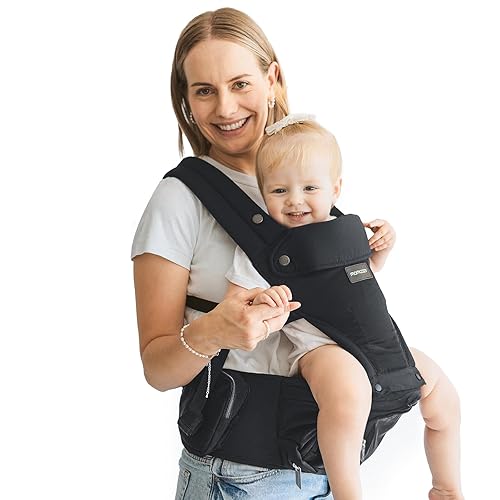
Osprey Poco Soft Convertible Baby Carrier for Newborns – Ergonomic Toddler Sling
Best for: Newborns and young infants
This model suits parents who need a carrier from the earliest weeks and want a soft, convertible option before moving to a backpack-style carrier later on.
Key specs
- Soft convertible design intended for newborn use
- Ergonomic sling-style carry
- Part of the Osprey Poco baby carrier range
Pros
- Soft structure is easier to position for small babies
- Convertible design can grow with your child
- Lighter to carry around the house
Cons
- Not suited to heavy toddler loads or long hikes
- Fabric can show wear sooner on used units
Bottom line: Pick this if your priority is a soft carrier for the newborn stage.
OspreyBaby Backpack Carrier, Hiking Baby Carrier with UPF 50 Sunshade
Baby Backpack Carrier, Hiking Baby Carrier, Toddler Hiking Backpack Carrier, Ventilated Backpanel, UPF 50 Sunshade, OS Size Osprey Poco™ LT Lightweight Child Carrier Backpack, Tan
Best for: Long hikes in warm weather
Parents who plan extended trail days in sun or heat will get the most from this model, especially if they want a ventilated back panel to reduce sweat buildup.
Key specs
- Ventilated backpanel
- UPF 50 sunshade
- Lightweight Poco LT frame design
Pros
- Ventilated panel helps with airflow on warm days
- UPF 50 sunshade adds meaningful sun protection
- Lightweight build for longer walks
Cons
- Ventilation mesh can tear or pill with age on used models
- Less cushioned for very young infants
Bottom line: The best match here for hot-weather hiking with a toddler.
Osprey Poco Premium Child Carrier Backpack
Osprey Poco Premium Child Carrier Backpack – Adjustable Travel Baby Carrier with Sunshade – Hiking Carrier for Toddlers
Best for: Premium feature set for frequent travelers
This suits families who travel often and want a fully adjustable carrier with a sunshade and a more substantial feel.
Key specs
- Adjustable travel baby carrier
- Sunshade included
- Hiking-style child carrier design
Pros
- Adjustable fit suits multiple caregivers
- Sunshade supports outdoor and airport use
- Structured frame for toddler carrying
Cons
- Bulkier to pack than soft carriers
- Check buckles and hip belt closely when buying used
Bottom line: A good choice for travel-heavy families who want adjustability above all.
Osprey Poco Child Carrier Backpack
Osprey Poco Child Carrier Backpack – Adjustable Travel Baby Carrier with Sunshade – Hiking Carrier for Toddlers
Best for: Budget-conscious buyers who still want adjustability
This is a sensible pick for shoppers who want the core Osprey Poco child carrier features without the premium variant, especially in the secondhand market.
Key specs
- Adjustable child carrier backpack
- Sunshade included
- Designed for toddler hiking and travel
Pros
- Covers the essentials for outdoor carrying
- Adjustable harness suits different body sizes
- Often easier to find used at a lower entry point
Cons
- Fewer convenience extras than the premium model
- Used units may need a full harness and buckle check
Bottom line: The practical choice for buyers who want core Osprey features on a tighter budget.
Osprey Poco LT Soft Convertible Baby Carrier for Newborns
Osprey Poco LT Soft Convertible Baby Carrier for Newborns – Lightweight Ergonomic Toddler Sling
Best for: Light packing and short trips
Parents who want a low-bulk carrier for quick outings, errands and short walks will find this a comfortable match.
Key specs
- Lightweight soft convertible design
- Ergonomic toddler sling structure
- Poco LT line
Pros
- Light enough for daily use
- Soft fabric is comfortable for extended wear
- Suits the newborn-to-toddler transition
Cons
- Limited support for long hikes with heavier children
- Soft fabrics show wear faster on secondhand units
Bottom line: A good pick for light, everyday carrying with a smaller child.
Deuter Kid Comfort Child Carrier and Backpack for Travel and Hiking
Deuter Kid Comfort Child Carrier and Backpack for Travel & Hiking with Toddlers
Best for: Buyers wanting a non-Osprey alternative
This is a solid comparison point for families who want to see how another established child carrier brand handles fit and comfort before committing to Osprey.
Key specs
- Child carrier and backpack for travel and hiking
- Designed for toddler carrying
- From Deuter, a long-established outdoor gear brand
Pros
- Established outdoor brand with a long track record
- Designed for both travel and trail use
- Gives a useful comparison against Osprey fit
Cons
- Fit differs from Osprey, so body measurements matter
- Used availability and condition can vary
Bottom line: Worth considering if you want an alternative brand to compare fit against Osprey.
Buying Guide
Age and weight range
Check the age and weight range on the specific model before you buy. Soft convertible carriers are generally used from the newborn stage, while backpack-style child carriers are designed for toddlers who can sit upright. Manufacturers specify these limits, and they matter more on secondhand gear because you may not know the previous owner’s use history.
Good picks for this: Osprey Poco Soft Convertible Baby Carrier, Osprey Poco LT Soft Convertible Baby Carrier
Harness and buckle condition
On a used carrier, inspect every strap, buckle and adjustment point. Look for fraying stitches, cracked plastic, stiff or slipping buckles, and loose webbing. If a buckle does not click firmly or a strap has visible damage, skip the carrier. Replacement parts are not always available for older models.
Good picks for this: Osprey Poco Premium Child Carrier Backpack, Osprey Poco Child Carrier Backpack
Fit and sizing for the caregiver
Hip belts and shoulder straps should adjust to your torso length and hip width. Stand in front of a mirror and check that the hip belt sits on your hip bones, not your waist. Try the carrier on with a weight similar to your child’s if you can, because fit changes as the load shifts.
Good picks for this: OspreyBaby Carrier Backpack, Toddler Hiking Carrier, Deuter Kid Comfort Child Carrier and Backpack
Use case: hiking, travel or everyday carrying
Match the carrier to how you will use it. Backpack-style carriers handle long walks and uneven ground. Soft convertible carriers are easier to pack and better for frequent short trips. Think about how often you will switch the carrier between caregivers, too.
Good picks for this: OspreyBaby Backpack Carrier with UPF 50 Sunshade, Osprey Poco LT Soft Convertible Baby Carrier
Sun protection and ventilation
If you plan to hike in warm weather, look for a built-in sunshade and a ventilated back panel. A UPF rating tells you how much ultraviolet light the fabric blocks. Keep in mind that a sunshade does not replace sunscreen on exposed skin, and infants under six months should be kept out of direct sun. Consult your pediatrician for sun safety guidance.
Good picks for this: OspreyBaby Backpack Carrier with UPF 50 Sunshade, Osprey Poco Premium Child Carrier Backpack
Durability and fabric wear
Used carriers often show wear on high-friction areas: the base of the seat, the shoulder strap stitching and the zipper or pocket edges. Check for pilling, thinning fabric and UV fading. A carrier that looks clean can still have worn internal foam, so press the padding and look for compression that does not spring back.
Good picks for this: Osprey Poco Child Carrier Backpack, Deuter Kid Comfort Child Carrier and Backpack
Cleaning and care
Before using a secondhand carrier, wash the fabric following the care label. Remove the seat pad if it is removable and air it out fully. Avoid machine drying unless the manufacturer allows it, since heat can damage webbing and foam. Dry the carrier completely before storing it to prevent mildew.
Good picks for this: OspreyBaby Carrier Backpack, Toddler Hiking Carrier, Osprey Poco Soft Convertible Baby Carrier
FAQ
Is it safe to buy a used Osprey baby carrier?
It can be, provided the carrier shows no structural damage and all buckles and straps function correctly. Check the manufacturer’s current guidance on age and weight limits, and avoid any carrier with cracks, stiff buckles or frayed webbing. If you are unsure, a pediatric or child safety professional can help you evaluate a specific carrier.
What age can a baby use an Osprey carrier?
Soft convertible models are generally intended for newborns, while backpack-style child carriers are designed for toddlers who can sit upright. Always confirm the age and weight range for the exact model you are considering, because limits differ between products.
How do I check a used carrier for damage?
Inspect the straps, buckles, stitching and frame for fraying, cracks or loose parts. Test every adjustment point and make sure buckles click firmly. Press the padding to check for compressed foam that does not recover.
Can I wash a used Osprey carrier?
Most carriers can be spot cleaned or hand washed with mild soap. Follow the care label, avoid harsh chemicals and dry the carrier fully before use. Avoid high heat drying unless the manufacturer specifies it is safe.
Which Osprey carrier is best for hiking?
Backpack-style models with a sunshade and ventilated back panel are generally the better fit for hiking. The OspreyBaby Backpack Carrier with UPF 50 sunshade is a good example of a hiking-oriented design. Test the fit with your body measurements before committing to a trail.
Should I compare Osprey with other brands?
Yes. Fit varies between brands, so comparing a non-Osprey option such as the Deuter Kid Comfort can help you judge how your body and your child’s size work with different harness designs. Read the sizing guidance from each manufacturer.
Is a used carrier still a good value?
It can be, as long as the carrier is in good structural condition and suits your child’s age and your torso size. Verify the condition carefully, since hidden wear in straps and foam is the main risk with secondhand gear.
Conclusion
For most families, the OspreyBaby Carrier Backpack, Toddler Hiking Carrier is a practical all-round starting point. Newborn-stage buyers should look at the Osprey Poco Soft Convertible Baby Carrier. Hot-weather hikers will get the most value from the UPF 50 sunshade model, while frequent travelers may prefer the Osprey Poco Premium. Budget-minded shoppers can consider the Osprey Poco Child Carrier Backpack, and the Deuter Kid Comfort is worth comparing if you want an alternative fit. Whichever you choose, inspect the harness and buckles closely before buying used.
Sources
- Child carrier safety guidance and recall information for consumers (cpsc.gov)
- Pediatric guidance on infant carrying, positioning and safe use of baby carriers (aap.org)
Related reading
- Used Hiking Baby Carrier Picks: 6 Best Options for Trail Days (2026)
- Once Upon a Child Baby Carrier: What to Check Before You Buy Used
- 6 Best Used Mission Critical Baby Carriers for Dads and Hands-Free Carry (2026)
- Woolworths Baby Carrier Price List: What Each Model Costs (2026)
- Which Tula Baby Carrier Is Best? 6 Top Picks Compared (2026)
About Graham Fisher
Graham Fisher is part of our editorial team and reviews and edits our baby gear guides, checking product details against manufacturer specifications and owner feedback.