By Graham Fisher
Updated November 2026
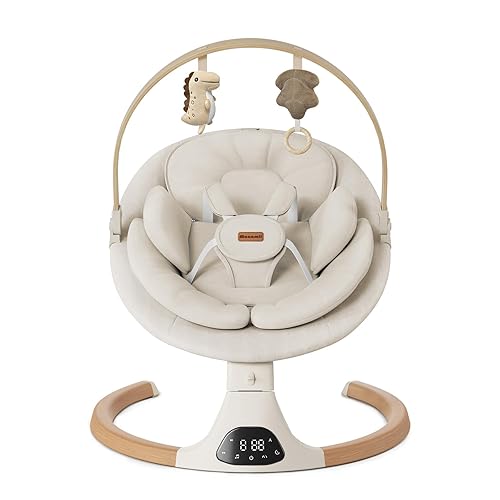
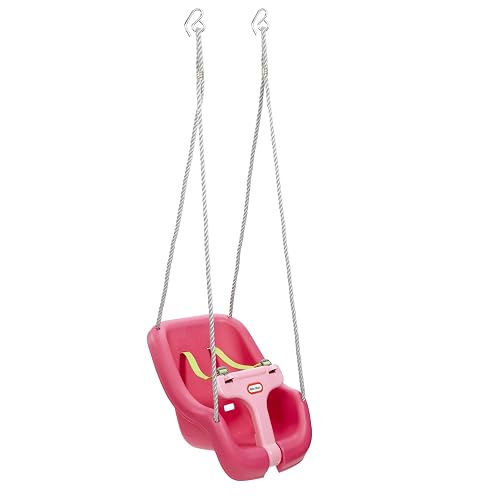
A baby swing with trampoline is a seat that combines a motorized or manual swing with a bouncy, spring-supported base that lets a baby move up and down. This guide explains how these combination products work, what to check on the spec sheet, how to set one up safely, and where the limits are. By the end, you should be able to compare models by weight range, seat fit and recline, and decide whether a combo design suits your baby and your space.
What a Baby Swing with Trampoline Actually Is
Most products sold under this description are infant seats that offer two types of motion. The swing part moves side to side or front to back, usually driven by a motor with several speed settings. The trampoline or bouncer part is a fabric seat suspended on elastic or spring straps, so the baby can bounce when they push with their legs. Some models let you switch between the two modes, while others run both at once.
Shopping for one? See our guide: 5 Best Baby Swings for Infants of 2026: Compared.
Terminology varies by brand. You may see the bounce feature called a “trampoline,” “jumper,” “bounce seat” or “activity bounce.” Check the manual for the exact motions the product supports, because a unit that only rocks gently is very different from one that bounces actively.
Step 1: Check the Weight and Age Limits First
Before comparing features, confirm the manufacturer’s weight and age limits for each motion. Swing and bounce modes often have different ceilings. A seat may list a maximum of 25 pounds for bouncing but allow up to 30 pounds for reclined rocking. Use the lower number as your guide.
Also note the minimum usage requirements. Many models specify that the infant must have adequate head and neck control before use, and some say to use only in the reclined position for newborns. Manufacturers’ instructions are the authority here, and your pediatrician can tell you when your baby is ready for upright positions.
Key Specs to Compare
| Spec | What to Look For | Why It Matters |
|---|---|---|
| Weight limit (bounce) | Lowest of the listed limits | Overloading the springs can cause failure |
| Weight limit (swing) | Often higher than bounce limit | Affects how long the seat stays useful |
| Recline positions | Two or more, including fully reclined | Supports newborns with limited head control |
| Harness type | Five-point or three-point, with padded straps | Keeps the baby secured during bouncing |
| Speed settings | Three or more swing speeds | Lets you match the motion to your baby’s mood |
| Timer and music | Auto-shutoff timer, adjustable volume | Limits unsupervised motion time |
| Power | AC adapter, battery or both | Affects where and how long you can run the swing |
| Assembly | Tool-free frame, stable base | Reduces setup errors |
Step 2: Confirm the Seat Fits Your Baby
A seat that is too large lets the baby slide down or to one side, which can pinch limbs or shift the harness out of position. Measure the seat width and depth against your baby’s shoulders and hips. The harness should sit flat against the chest, and you should be able to fit one or two fingers under the straps at the collarbone. Look at the manufacturer’s sizing guide, since some models include inserts for smaller newborns.
Step 3: Set Up the Frame and Base Safely
Follow these steps every time you assemble or move the seat:
- Unfold the frame fully until every locking point clicks.
- Check that the base sits flat on the floor with all feet touching.
- Attach the bounce straps or springs to the frame according to the manual, and confirm they are seated in their hooks.
- Install the seat fabric and tighten any adjustment buckets.
- Test the bounce by pushing gently on the seat before placing your baby in it.
- Plug in the adapter or insert batteries, and run the swing without a baby to confirm it works.
Keep the seat on a hard, level floor away from stairs, tables with cords or other furniture the baby could reach. Never place the seat on a raised surface like a counter, bed or sofa.
Step 4: Use the Seat the Right Way
Put your baby in the seat with the harness fully buckled, and confirm the crotch strap is in the correct slot. Set the recline angle for your baby’s stage, and start with the lowest swing speed. Stay within arm’s reach while the seat is in motion. Use the timer if available, and do not leave your baby unattended, even for short periods.
Many parents use these seats during awake, supervised play rather than for sleep. Manufacturers typically warn against sleeping in an infant seat, and the American Academy of Pediatrics recommends that babies sleep on a firm, flat surface on their backs. If your baby falls asleep in the seat, move them to a safe sleep space as soon as you can.
Step 5: Maintain the Seat Over Time
Inspect the springs, straps and frame every few weeks. Look for fraying fabric, stretched elastic, loose bolts and cracked plastic. Replace parts only with manufacturer-approved components. Wipe the seat with a damp cloth and mild soap, and check the care label before machine washing the cover. Let all fabric air dry completely before reinstalling it.
Common Mistakes
- Ignoring the lower weight limit. Bounce and swing limits are often different. Follow the stricter one.
- Using the bounce mode too early. Wait until your baby has solid head and neck control and the manufacturer allows upright use.
- Placing the seat on an elevated surface. A fall from a table or bed can cause serious injury.
- Skipping the harness. Loose or unbuckled babies can slip or tip the seat.
- Using the seat for long naps. Infant seats are not sleep surfaces.
- Setting up on carpet or uneven flooring. The base can wobble and tip.
- Leaving the swing running unattended. Always keep the baby in sight and within reach.
Tips for Choosing the Right Model
- Measure the floor space where the seat will live, including the bounce height.
- Look for a removable, washable seat pad, since spit-up and food are common.
- Choose a model with a battery option if you plan to move it between rooms or use it in a car.
- Check whether the toy bar detaches and whether the attached toys are securely fastened.
- Read recent owner reviews for comments on squeaks, spring durability and how quiet the motor runs.
Recommended gear
A few accessories can make a combo seat safer and easier to use. Consider a firm, flat sleep surface such as a portable play yard for sleep time, since the seat is not meant for that purpose. A stable, non-slip mat can help keep the base from shifting on hard floors. A small baby monitor lets you hear your baby while you work nearby, though it does not replace direct supervision. Look for a spare seat cover so you can wash one while the other dries.
FAQ
Is a baby swing with trampoline safe for newborns?
Many models allow reclined use from birth, but bounce features usually require head and neck control. Follow the manufacturer’s age guidance and ask your pediatrician if you are unsure.
Can I leave my baby in the seat while I cook or shower?
No. Keep your baby in sight and within arm’s reach at all times while the seat is in use.
How do I know when to stop using the bounce feature?
Stop when your baby reaches the maximum weight listed for bouncing, or when they start trying to stand and push out of the harness. Check the manual for the exact limit.
Can the seat be used in a car?
Most of these seats are designed for home use only and are not crash-tested car seats. Use an approved car seat for travel.
How often should I replace the springs or straps?
Replace them if you see stretching, fraying or rust, and follow any replacement schedule in the manual. Use only approved replacement parts.
Are battery-powered swings better than plug-in models?
Battery models offer portability, but they may need frequent replacement. Plug-in models run continuously. Choose based on where you plan to use the seat most often.
What should I do if the seat makes a loud noise or stops working?
Stop using it, unplug it or remove the batteries, and inspect the springs, motor and frame. Contact the manufacturer for guidance before using it again. Consult a professional technician if the problem persists.
Conclusion
A baby swing with trampoline can give your baby gentle motion and give you a supervised place to set them during play. Start by checking weight and age limits, confirm the seat fits your baby, and set it up on a flat, hard floor. Inspect it regularly and keep your baby within reach at all times.
Related reading
- Vaude Swing Baby Carrier Review: Fit, Features and Safe Use
- Swing or Rocker for Baby (2026): Which Should You Choose?
- Best 6 Baby Swings for Infants: Features and Limits Compared
- Baby Swing or Bouncer Better? Which Should You Choose? (2026)
- Buying Secondhand Baby Gear: What Is Fine and What to Avoid
- Best Baby Gates for Stairs and Doorways: 7 Models Compared
- Best Baby Bouncers for Soothing and Play: 7 Models Compared
Ready to choose one?
About Graham Fisher
Graham Fisher is part of our editorial team and reviews and edits our baby gear guides, checking product details against manufacturer specifications and owner feedback.