By Graham Fisher
Updated November 2026
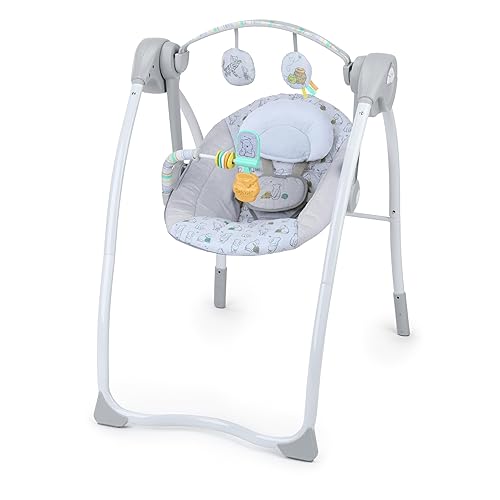
A baby swing indoor Fisher Price model can calm a fussy infant and give you a few hands-free minutes, but only when it is set up on a stable surface, used within the weight and age limits in the manual, and checked regularly for wear. This guide walks you through choosing the right swing for indoor use, placing it safely, running through a quick setup checklist, and avoiding the mistakes that cause most problems. Check the manufacturer’s manual for the exact specifications of your model, since features and limits vary by product.
What to Look for in an Indoor Swing
Indoor swings differ from portable or travel models mainly in their footprint, motor type and power source. Before you buy or start using one, compare the following details on the spec sheet or the box.
Shopping for one? See our guide: 5 Best Baby Swings for Infants of 2026: Compared.
- Maximum weight limit. Most infant swings list a limit in pounds. Check whether it is the same for all seat positions.
- Recline positions. Look for a fully reclined newborn setting with a supportive seat that keeps the head and torso aligned.
- Power source. Some models run on batteries, some plug into an outlet with an adapter, and some offer both. Corded models need a dedicated outlet away from the swing’s travel path.
- Footprint. Measure the floor space the swing occupies at full swing, not just its resting size. Allow clearance for the frame to move freely.
- Swing speed and sound settings. Multiple speeds and a soothing sound option are useful for older infants, but they are not a substitute for safe sleep practices.
Step-by-Step Setup for Indoor Use
Step 1: Choose the Placement
Place the swing on a flat, level, hard or low-pile surface. Keep it away from windows with cords, heaters, stairs, and furniture the baby could reach. Leave at least 2 to 3 feet of clear space on all sides so the frame can move without hitting anything.
Step 2: Assemble According to the Manual
Snap or lock every joint until it clicks, then give each part a firm tug. Confirm that the base feet are fully extended and that the frame does not wobble when the swing is pushed gently. Assembly errors are one of the most common causes of tipping, so do not skip this check.
Step 3: Set Up the Power
- If using batteries, install them with the correct polarity and use the type specified in the manual.
- If using an AC adapter, plug it into a wall outlet that is not behind the swing and run the cord along the floor, out of reach and away from the moving frame.
- Test the swing empty on each speed setting for at least one full cycle to confirm smooth operation.
Step 4: Adjust the Seat for the Baby
Choose the recline position that matches your baby’s age and size. Newborns generally need the most reclined setting, and the manufacturer’s guidance will tell you when to move to a more upright position. Always use the crotch strap and the waist or harness restraint provided, and fasten it snugly so that you can fit no more than one or two fingers between the strap and the baby.
Step 5: Run a Safety Check Before Each Use
Before placing the baby in the swing, run through a short checklist (see below). This takes less than a minute and catches most problems.
Pre-Use Safety Checklist
- The swing is on a level surface with clear space around it.
- All joints are locked and the frame is stable.
- The cord, if any, is out of reach and not under the frame.
- The baby is below the maximum weight limit.
- The harness is fastened and the crotch strap is in place.
- No loose items, blankets, or toys are inside the seat or on the frame.
Recommended Placement and Usage Limits
Manufacturers commonly specify that infant swings should be used only while the baby is awake and supervised, and that babies should be moved to a flat, firm sleep surface once they fall asleep. Do not let a baby sleep in a swing, because the seated, reclined angle can affect breathing if the head slumps forward. The table below summarizes the factors to compare across models.
| Factor | What to Check | Why It Matters |
|---|---|---|
| Weight limit | Maximum pounds in the manual | Exceeding it can stress the frame and reduce stability |
| Recline position | Newborn setting available | Keeps the head and airway in a safer alignment |
| Power source | Battery, adapter, or both | Determines where you can place the swing |
| Footprint at full swing | Measured clearance needed | Prevents bumping furniture and tipping |
| Restraint system | Harness and crotch strap | Keeps the baby secure while the seat moves |
Common Mistakes to Avoid
- Placing the swing on carpet with a thick pile or on an uneven rug. This can cause the feet to sink or slide unevenly, altering balance.
- Leaving the swing running with the baby asleep. Move the baby to a crib or bassinet once they nod off.
- Using accessories not made for the model. Third-party attachments can change the weight distribution or block the restraints.
- Ignoring a wobbling frame. Stop using the swing and tighten or inspect the joints before continuing.
- Forgetting the crotch strap. Without it, a baby can slide down and become wedged.
- Keeping the swing near a cord or window blind. Keep cords and cords-on-blinds out of reach at all times.
Tips for Getting the Most From an Indoor Swing
- Use the swing for short sessions, and vary activities so your baby also has floor time for tummy play and movement.
- Rotate the swing position within the room to give your baby a different view, which can help with visual engagement.
- Keep a small log of how long each session lasts if your pediatrician has recommended limiting time in seated devices.
- Wipe down the seat fabric with a mild, baby-safe cleaner and follow the manufacturer’s washing instructions for removable covers.
- Check the battery compartment and cords monthly for corrosion, fraying or loose connections.
Recommended Gear
Several accessories can make indoor use simpler, provided they are compatible with your swing model. Confirm compatibility in the product listing or manual before buying.
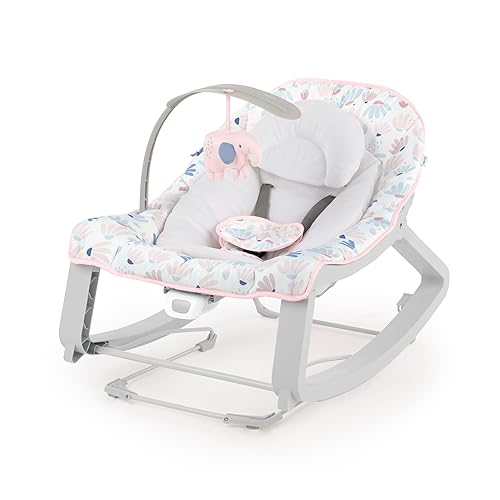
- Fisher-Price Infant-to-Toddler Rocker. A rocking seat with a similar frame design that many families use as a second option for quiet, low-motion rest during the day. View on Amazon
- Fisher-Price Ready Set Baby Swing Replacement Battery Pack. A spare battery option for models that run on batteries, useful for keeping a spare on hand. View on Amazon
- Cord cover kit for baby equipment. A simple way to keep the power cord out of reach and away from the moving frame. View on Amazon
For comparisons of swings and related options, see Best 6 Baby Swings for Infants: Features and Limits Compared and Baby Swing or Bouncer Better? Which Should You Choose? (2026). If you are deciding between a swing and a rocker for daytime rest, Swing or Rocker for Baby (2026): Which Should You Choose? covers the differences in motion and recline.
FAQ
Is an indoor Fisher-Price swing safe for a newborn?
It can be, if the model has a fully reclined newborn position, the harness and crotch strap are used correctly, and the baby is supervised. Check the manual for the minimum age and weight. Ask your pediatrician if you have questions about your baby’s specific needs.
Can my baby sleep in the swing?
Manufacturers generally advise against it. Once your baby falls asleep, move them to a firm, flat surface such as a crib or bassinet that meets current safe sleep guidelines.
How long can a baby stay in the swing?
The manual usually gives a recommended time limit per session, and many pediatric sources suggest keeping seated-device time short so babies have time to move freely on the floor. Follow the guidance from your pediatrician.
Where should I put the swing in the house?
Choose a level area with clear space on all sides, away from stairs, cords, heaters, and windows with blind cords. Keep it in a room where you can see and hear your baby.
Do I need to plug it in or can I use batteries?
It depends on the model. Some swings run on batteries, some on an AC adapter, and some offer both. Use only the battery type and adapter specified by the manufacturer.
How do I clean the swing seat?
Remove the seat pad if it is removable and follow the care label. Wipe hard parts with a mild, baby-safe cleaner and let everything dry completely before reinstalling.
What should I do if the swing starts to wobble?
Stop using it right away with the baby removed. Check that all joints are locked and the feet are fully extended. If the wobble continues, contact the manufacturer or stop using the swing.
When should I stop using the swing?
Stop when your baby exceeds the maximum weight or height in the manual, or when they begin trying to climb out or sit up beyond what the seat supports. Your pediatrician can advise on transitioning to other activities.
Conclusion
A baby swing indoor Fisher Price model works best when it is placed on a stable, level surface, assembled correctly, and used within the weight and age limits in the manual. Run a short safety check before each session, keep the baby supervised, and move them to a safe sleep surface when they doze off. Review your product manual and talk with your pediatrician if you have questions about your baby’s development or safe use.
Related reading
- Vaude Swing Baby Carrier Review: Fit, Features and Safe Use
- Lascal Baby Carrier Price: What You'll Pay and How to Choose (2026)
- Woolworths Baby Carrier Price List: What Each Model Costs (2026)
- Picolo Baby Carrier Price: What to Expect and How to Choose (2026)
Ready to choose one?
About Graham Fisher
Graham Fisher is part of our editorial team and reviews and edits our baby gear guides, checking product details against manufacturer specifications and owner feedback.