By Graham Fisher
Updated November 2026
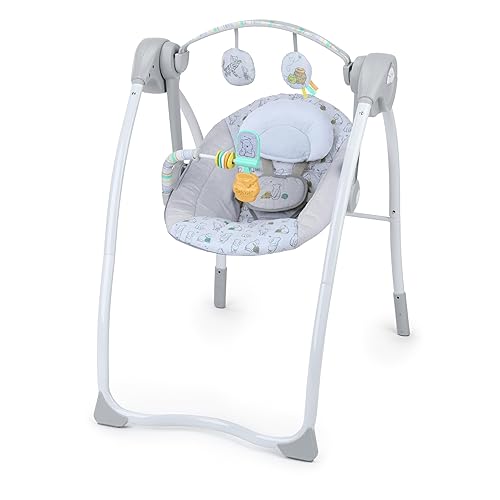
A baby sleeping swing automatic is a powered infant swing that rocks or sways on its own, usually with a timer, several motion speeds and soothing sound options. This guide explains how these swings work, which features matter most when you compare models, and how to set one up so it is used within the manufacturer’s safety limits. By the end, you will know what to look for at the store or online and how to keep your baby safe while using it.
What a Baby Sleeping Swing Automatic Actually Does
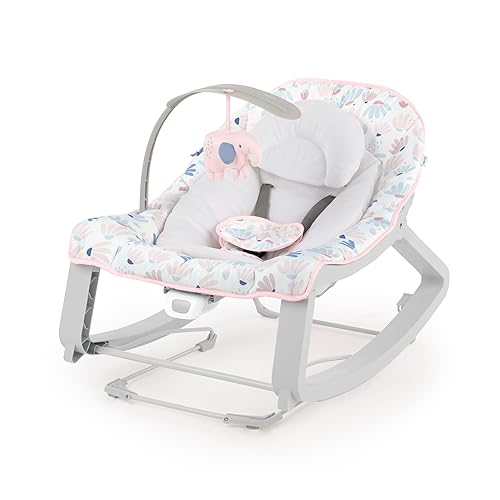
Most automatic swings use a small motor and a mechanical linkage to move the seat in a side-to-side or pendulum motion. Many models also include a built-in speaker that plays white noise, nature sounds or lullabies, and a timer that shuts the motion off after a set period. Some newer designs offer a choice between a reclined seat and a more upright position, which changes how much the infant’s head and torso are supported.
Shopping for one? See our guide: 5 Best Baby Swings for Infants of 2026: Compared.
It is important to understand the category before you shop. A swing is designed for awake, supervised time, and most manufacturers state that babies should be moved to a flat, firm sleep surface, such as a crib or bassinet, for sleep. Owners often find that a swing soothes a fussy baby quickly, but the same features that make it calming can also tempt parents to leave an infant to fall asleep in it. Treat the swing as a short-term soothing tool, not a bed.
Step 1: Check the Age, Weight and Recline Limits
Start with the manufacturer’s labeled limits. Most automatic swings list a minimum age or a minimum weight for use, plus a maximum weight, often in the range of 25 to 30 pounds for infant seats. Some models also list a head-support or recline setting for newborns and a more upright setting for older infants who can hold their heads up steadily.
- Confirm the minimum age or weight printed on the frame or in the manual.
- Note the maximum weight and stop using the swing once your baby reaches it.
- Check whether the reclined position is rated for newborns, and use it only as labeled.
- Look for a five-point or multi-point harness and use it on every ride, even for short sessions.
Step 2: Compare the Features That Matter Most
Once you know the limits, compare models on the features that affect daily use. Not every extra is worth paying for, so focus on the items that change how the swing behaves in your home.
| Feature | What to look for | Why it matters |
|---|---|---|
| Motion settings | Three or more speeds, plus side-to-side and pendulum options | Lets you match the motion to a calm or fussy baby |
| Timer | Adjustable run times, often 15 to 60 minutes or more | Prevents the swing from running longer than you intend |
| Sound options | Multiple white noise and music tracks, with a volume control | Helps with calming, and a lower volume is easier to live with at night |
| Footprint | Measure the open width and length before buying | Large swings can block doorways and take up a lot of living room space |
| Power | Plug-in adapter, battery operation or both | Battery models work during power outages and car trips, but cost more to run |
| Removable parts | Seat pad and cover that come off for washing | Infants spit up and leak, so an easy-clean cover saves time |
If you plan to use the swing in a nursery, check the power cord length and whether the outlet is within reach. Owners often report that a short cord forces them to place the swing in an awkward spot or use an extension cord, which the manufacturer may not allow.
Step 3: Set Up the Swing Safely
Placement and setup prevent most accidents. Follow these steps every time you assemble or move the swing.
- Place the swing on a flat, level floor away from stairs, windows with cords, and countertops.
- Keep the swing at least a few feet from walls, furniture and hanging items so your baby cannot reach them.
- Extend the legs or base fully until the locking indicators show that each lock is engaged.
- Test the motion with the baby out of the seat to confirm the frame does not wobble or shift.
- Buckle the harness snugly, with the straps at or just below the shoulders for the seated position.
- Never place the swing on a table, bed or raised surface.
Before each use, look over the power cord for fraying and keep it out of reach. Make sure the swing is unplugged or the batteries are removed when you are cleaning or storing it.
Step 4: Use the Timer and Settings to Match Your Baby’s Needs
Start with the lowest speed and a short timer, then adjust based on how your baby responds. Some babies settle quickly with gentle motion, while others need a faster setting for a few minutes. If your baby falls asleep in the swing, move them to a crib or bassinet once the timer ends, or sooner if you can. Use the timer as a reminder to check in, not as a sleep plan.
If your baby cries when the swing stops, try a shorter session or a lower speed. Many infants like the feeling of being rocked, but a consistent routine that includes time on a flat surface helps them learn to settle in their sleep space.
Common Mistakes to Avoid
- Letting the baby fall asleep in the swing. Move the baby to a firm, flat sleep surface once they are drowsy or asleep.
- Using the swing past its weight limit. Stop when the baby reaches the labeled maximum.
- Skipping the harness. Buckle up for every session, including short ones.
- Adding pillows, blankets or infant inserts not sold with the swing. These can shift the baby’s head and create a suffocation risk.
- Placing the swing near cords or on an unstable surface. Keep it on a flat floor, away from cords and furniture.
- Ignoring recalls. Register the product with the manufacturer and check the Consumer Product Safety Commission website for recall notices.
Recommended gear
Several accessories can help with safe, comfortable use. Look for items that do not add pillows or padding that are not part of the manufacturer’s design.
- Fisher-Price Rock ‘n Play Sleeper: A common option for parents who want a sleeper-style rocker. Use it only according to its labeled instructions, and move your baby to a crib once they show signs of rolling. View on Amazon
- Graco Duo Glider Infant Swing: Known for a quieter motor and multiple speed settings. Check that the model is current before buying. View on Amazon
- Baby monitor with audio and video: A monitor lets you check on your baby from another room when the swing is not in your direct view. View on Amazon
FAQ
Is a baby sleeping swing automatic safe for overnight sleep?
Most manufacturers say no. Infants should sleep on a flat, firm surface such as a crib or bassinet, not in a swing. Use the swing only for awake, supervised time.
At what age can I start using an automatic swing?
Check the label. Many swings list a minimum weight or age and specify a reclined position for newborns. Always follow the limits in the manual.
How long should I run the swing in one session?
Keep sessions short and use the timer. Shorter sessions reduce the chance that your baby falls asleep in the seat.
Can I use the swing in the car?
Do not use a home swing in a vehicle unless the manufacturer specifically approves it. Use a car seat that is correctly installed for car travel.
What should I do if my baby falls asleep in the swing?
Gently move your baby to a crib or bassinet on a firm, flat surface, on their back, with no loose bedding. Turn off the swing once you have moved them.
How do I clean the swing?
Remove the seat pad and cover according to the manual, wash them as labeled, and wipe the frame with a mild cleaner. Dry all parts fully before reassembling.
Should I consult a professional before buying?
If your baby has a medical condition, reflux, breathing concerns or delayed development, check with your pediatrician before using a swing regularly.
Conclusion
A baby sleeping swing automatic can be a useful tool for calming a fussy infant during awake time, as long as you follow the labeled age and weight limits. Compare the motion settings, timer, footprint and cleanability before you buy, and set the swing up on a flat, stable floor. Always move your baby to a firm, flat sleep surface for sleep, and check the manufacturer’s instructions and recall notices regularly.
Related reading
- Vaude Swing Baby Carrier Review: Fit, Features and Safe Use
- Swing or Rocker for Baby (2026): Which Should You Choose?
- Best 6 Baby Swings for Infants: Features and Limits Compared
- Baby Swing or Bouncer Better? Which Should You Choose? (2026)
- Buying Secondhand Baby Gear: What Is Fine and What to Avoid
- Best Baby Gates for Stairs and Doorways: 7 Models Compared
Ready to choose one?
About Graham Fisher
Graham Fisher is part of our editorial team and reviews and edits our baby gear guides, checking product details against manufacturer specifications and owner feedback.