 By Graham Fisher
Updated November 2026
An office chair high quality build comes down to a handful of measurable traits: a sturdy frame, supportive seat foam, adjustable lumbar support and mechanisms that hold their settings. This guide walks through how to check each one, so you can compare chairs on the spec sheet instead of relying on marketing photos.
Start With the Frame and Base
The frame takes the most stress, so it is the first place to look. Manufacturers often list the maximum user weight and the base material. A steel or reinforced nylon base with a stated weight rating well above your own weight usually signals better build. Check the caster type too: hard-floor casters are different from carpet casters, and mismatched wheels wear out quickly.
Shopping for one? See our guide: Office Chair with High Backrest (2026): Which Should You Choose?.
Check Seat Depth, Foam and Height Range
Comfort starts with fit. Measure your lower leg from the back of your knee to your heel. Seat depth should leave roughly two to three finger widths between the seat edge and the back of your knee. Seat height should let your feet sit flat with thighs close to parallel with the floor, which for many adults means a gas-lift range that covers about 16 to 21 inches from the floor to the seat.
Foam density matters more than thickness alone. Manufacturers that publish foam density in pounds per cubic foot give you something to compare. Higher-density foam holds its shape longer, while very soft foam often flattens within a year of daily use.
Evaluate Lumbar Support and Adjustments
A good chair lets you change the lumbar curve, backrest tilt and armrest position independently. Look for:
- Adjustable lumbar height, ideally with depth control as well
- Tilt lock with a recline range you can set to a comfortable angle
- Armrests that move up, down, in and out, so your shoulders stay relaxed
- A seat slider if your legs vary in length from your torso
Fixed lumbar pads that do not match your spine can cause more discomfort than having none. Test the adjustments in person when you can, or check return policies before committing.
Compare Mechanisms, Warranty and Materials
The tilt mechanism and gas cylinder take the most repeated use. Brands that state cycle-test results or a multi-year warranty on the mechanism give you a clearer picture than vague claims. Mesh backs breathe well in warm rooms but can feel firm; fabric or leather-look upholstery feels softer but traps heat. Choose based on how long you sit and the temperature of your workspace.
Office Chair High Quality Checklist
- Confirm the maximum user weight is above your own.
- Measure your leg length and check the seat depth range.
- Verify seat height covers your desk and floor setup.
- Look for independent lumbar, tilt lock and armrest adjustment.
- Note the foam density and the mechanism warranty length.
- Read the return window before you order.
Common Mistakes
- Judging comfort only in the first few minutes of sitting.
- Ignoring the base rating and buying a lightweight base for daily use.
- Choosing a seat that is too deep for a shorter frame.
- Skipping the armrest check, which leads to hunched shoulders.
- Assuming a higher price always means better materials, without checking the specs.
Recommended gear
A footrest helps shorter sitters keep their feet supported when the seat height cannot drop further. Search for adjustable under-desk footrest and match the tilt range to your chair. View on Amazon
A seat cushion with a coccyx cutout can ease pressure on the tailbone on a chair with thinner foam. Look for memory foam with a breathable cover. View on Amazon
A lumbar support pillow can fill a gap when the chair’s built-in lumbar is fixed or too shallow. View on Amazon
FAQ
How do I know if an office chair is well built?
Check the stated weight rating, base material, foam density and mechanism warranty. Chairs that publish these details usually have clearer engineering behind them.
How long should a good office chair last?
Manufacturers commonly state warranties of a few years on the mechanism and shorter periods on upholstery. Daily use over many years depends heavily on weight, cleaning and how often you adjust the chair.
Is a mesh chair better than a padded one?
It depends on your temperature and posture needs. Mesh breathes better, while padded seats feel softer. If you have back pain or a medical condition, consult a physical therapist or doctor before choosing.
Conclusion
An office chair high quality build shows up in the frame rating, foam density, adjustability and warranty. Measure your body first, then compare chairs against the checklist above. Taking ten minutes to read the specs will save you from replacing a chair that never fit you well.
Related reading
- Wooden High Chair Newborn: When to Use One and How to Set It Up Safely
- Wood High Chair Eddie Bauer: How to Choose the Right Model (Setup Tips)
- Stokke Tripp Trapp High Chair Review (2026)
- Peg Perego Prima High Chair (2026): Which Should You Choose?
- OXO Tot High Chair Sprout: Setup, Fit and Buying Guide (2026)
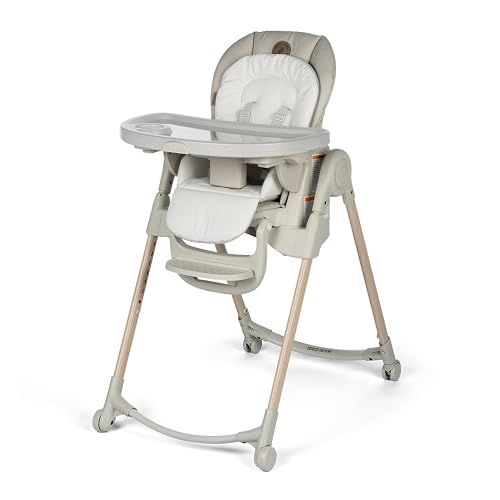
- Maxi Cosi Minla 6 in 1 High Chair: 3 Best Picks Compared (2026)
Ready to choose one?
About Graham Fisher
Graham Fisher is part of our editorial team and reviews and edits our baby gear guides, checking product details against manufacturer specifications and owner feedback.





Write Your Review
No reviews yet. Be the first to share your experience!